


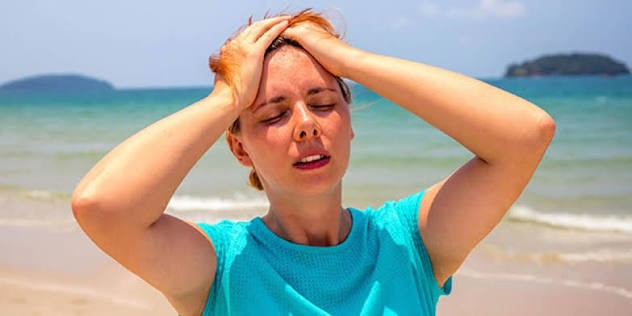
As temperatures continue to rise around the world, health experts are urging the public to take precautions against heat-related illnesses, particularly heat exhaustion and heatstroke. These conditions can develop quickly during periods of extreme heat and, if left untreated, may lead to serious complications or even death.
Children, older adults, pregnant women, outdoor workers, athletes, and people with chronic medical conditions are especially vulnerable during hot weather. Understanding the warning signs and knowing how to respond can help save lives.
What Is Heat Exhaustion?
Heat exhaustion occurs when the body loses excessive amounts of water and salt through sweating, making it difficult to regulate its temperature. It is usually caused by prolonged exposure to high temperatures, especially when combined with physical activity.
Common Symptoms of Heat Exhaustion
Symptoms may include:

- Heavy sweating.
- Cool, pale, or clammy skin.
- Weakness or fatigue.
- Dizziness or lightheadedness.
- Headache.
- Muscle cramps.
- Nausea or vomiting.
- Fast but weak pulse.
- Fainting.
Although heat exhaustion is less severe than heatstroke, it requires prompt attention to prevent it from becoming a medical emergency.
What Is Heatstroke?
Heatstroke is the most serious form of heat-related illness. It occurs when the body’s temperature rises to dangerous levels usually 40°C (104°F) or higher and the body can no longer cool itself effectively.
Heatstroke is a medical emergency that requires immediate treatment.
Warning Signs of Heatstroke
Symptoms may include:
- Very high body temperature.
- Hot, red, dry, or sometimes damp skin.
- Confusion or unusual behavior.
- Slurred speech.
- Severe headache.
- Rapid heartbeat.
- Difficulty breathing.
- Seizures.
- Loss of consciousness.
Without urgent medical care, heatstroke can damage the brain, heart, kidneys, and muscles and may be fatal.
Who Is Most at Risk?
Certain groups are more likely to develop heat-related illnesses, including:
- Adults aged 65 years and older.
- Infants and young children.
- Pregnant women.
- People with heart disease, diabetes, or kidney disease.
- Outdoor workers.
- Athletes.
- Individuals taking medications that affect the body’s ability to regulate temperature.
What to Do if Someone Has Heat Exhaustion
If you suspect someone has heat exhaustion:
- Move the person to a cool, shaded, or air-conditioned area.
- Encourage them to drink cool water or an oral rehydration solution if they are fully conscious.
- Loosen or remove unnecessary clothing.
- Apply cool, wet towels or cloths to the skin.
- Use a fan if available.
- Allow the person to rest until they feel better.
If symptoms do not improve within 30 minutes or worsen, seek medical care immediately.
What to Do if Someone Has Heatstroke
Heatstroke is an emergency. If you suspect someone has heatstroke:
- Call emergency medical services immediately.
- Move the person to a cool location.
- Remove excess clothing.
- Cool the body using cold water, wet towels, or ice packs placed on the neck, armpits, and groin.
- Fan the person continuously.
- Do not give fluids if the person is unconscious or confused, as this may increase the risk of choking.
Continue cooling the person until medical help arrives.
How to Prevent Heat-Related Illnesses
Health experts recommend the following precautions during hot weather:
Stay Hydrated
Drink plenty of water throughout the day, even if you do not feel thirsty. Avoid excessive alcohol and sugary drinks, which can contribute to dehydration.
Avoid Direct Sunlight
Stay indoors or in shaded areas during the hottest part of the day, typically between late morning and late afternoon.
Wear Lightweight Clothing
Choose loose-fitting, light-colored clothing made from breathable fabrics to help your body stay cool.
Use Sunscreen
Protect your skin from sunburn by applying sunscreen with an appropriate sun protection factor (SPF) when spending time outdoors.
Take Frequent Breaks
People working or exercising outdoors should rest regularly in shaded or cool environments.
Keep Your Home Cool
Close curtains during the day, use fans or air conditioning if available, and open windows when temperatures drop in the evening.
Check on Vulnerable People
Older adults, infants, and individuals living alone may need assistance during periods of extreme heat. Regularly checking on them can help prevent serious illness.
When Should You Seek Medical Attention?
Seek immediate medical care if someone experiences:
- Loss of consciousness.
- Confusion or unusual behavior.
- Seizures.
- A body temperature of 40°C (104°F) or higher.
- Difficulty breathing.
- Persistent vomiting.
- Symptoms that do not improve after cooling measures.
Conclusion
Heat exhaustion and heatstroke are preventable conditions, but they can become life-threatening if ignored. As global temperatures continue to rise, taking simple precautions such as staying hydrated, avoiding excessive heat exposure, and recognizing the early warning signs can protect you and your loved ones.
By acting quickly and seeking medical help when necessary, individuals can reduce the risk of serious complications and stay safe during periods of extreme heat.




