


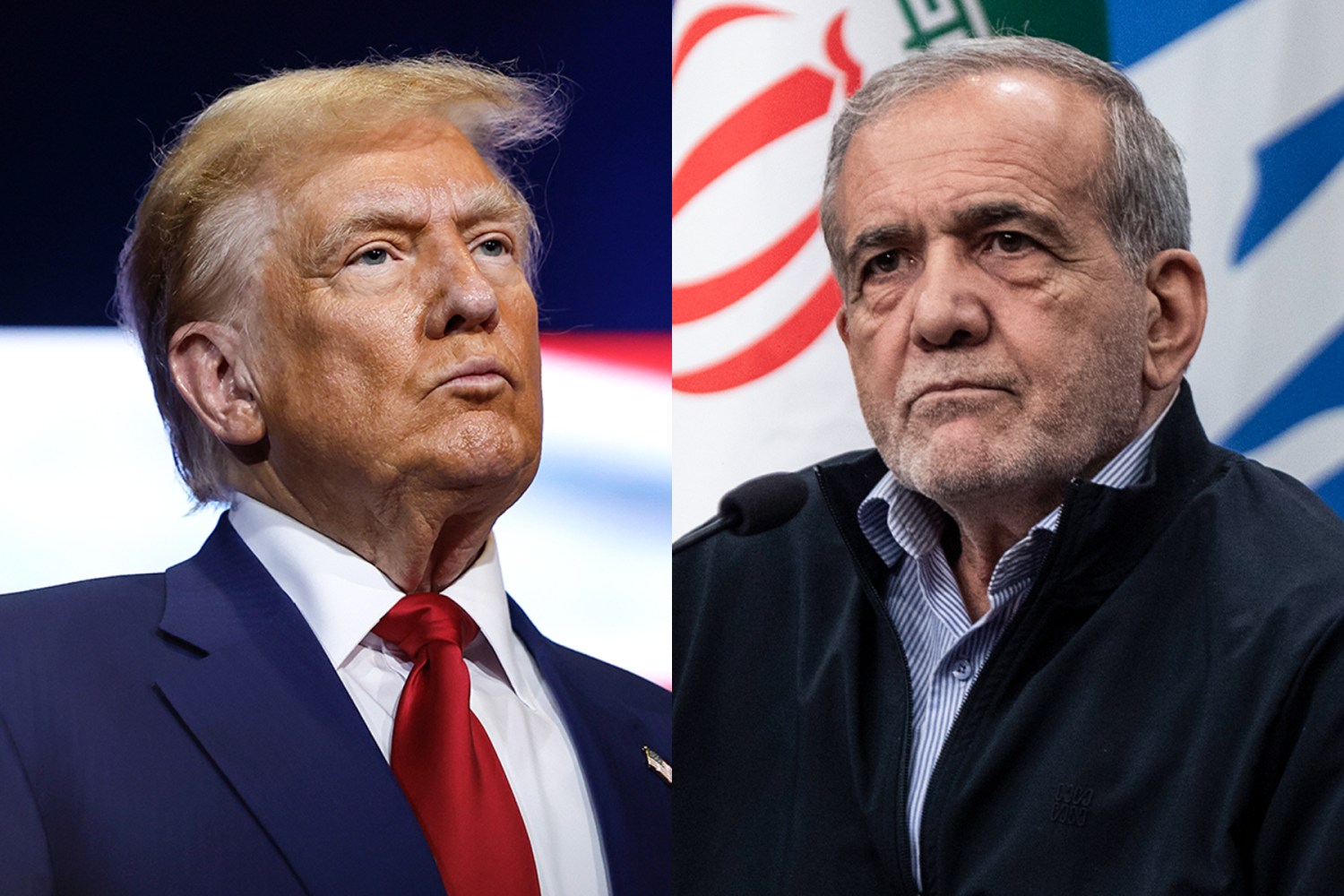
The fragile peace agreement between the United States and Iran is facing its first major challenge after Washington and Tehran offered sharply different interpretations of key provisions covering nuclear inspections, frozen assets and regional security arrangements.
President Donald Trump claimed Iran had agreed to allow international nuclear inspections indefinitely, describing the arrangement as inspections “into infinity.” Iranian officials quickly rejected that assertion, insisting no such commitment had been made during negotiations held in Switzerland.
The disagreement emerged just days after both countries signed a framework agreement intended to end months of conflict and open the door to broader negotiations over Iran’s nuclear programme.
Speaking at a rally in Pennsylvania, Trump maintained that discussions were progressing positively and described relations with Tehran as improving. However, Iranian officials said nuclear issues were not formally discussed during the latest round of talks and denied agreeing to restore unrestricted access for international inspectors.

The dispute has raised fresh questions about how much common ground actually exists between the two sides as they work toward a comprehensive settlement within the 60-day negotiating window established by the agreement.
Differences have also surfaced over the use of Iranian assets frozen abroad.
Trump said any released funds would be directed toward the purchase of American food and medical supplies.
Iranian officials, however, insisted Tehran would retain full authority over how the money is spent once it becomes available.
The conflicting statements underscore broader uncertainty surrounding implementation of the agreement, which includes sanctions relief, the unfreezing of overseas assets and plans for large-scale economic investment in Iran’s reconstruction.
Despite the diplomatic friction, the agreement has already produced some tangible effects.
Commercial shipping has resumed through the Strait of Hormuz, a vital energy corridor that handles roughly one-fifth of global oil supplies.
Oil prices have fallen sharply from wartime highs, easing pressure on global markets and consumers.
The United States has also temporarily eased restrictions affecting Iran, including a sanctions waiver allowing Tehran to export oil and receive payments for a limited period.
Meanwhile, domestic political pressure on Trump continues to grow.
A new Reuters/Ipsos poll found that more Americans believe the United States is in a weaker position following the conflict than those who think Washington emerged stronger.
Reflecting that sentiment, the Republican-controlled Senate approved a measure calling for an end to US involvement in the war, marking a rare bipartisan rebuke of the administration’s military strategy.
Although the vote carries little legal force, it highlights growing unease within Congress over the conflict and the long-term direction of US policy toward Iran.
Another unresolved issue involves the future administration of the Strait of Hormuz. Iran and Oman have signalled they intend to play a larger role in managing traffic through the waterway, while Washington has warned Tehran against imposing tolls or fees on international shipping.
Tensions also remain over Lebanon, where Iran-backed Hezbollah has accused Israel of violating a ceasefire despite ongoing diplomatic efforts aimed at stabilising the region.
For now, the ceasefire remains intact and negotiations continue. But the growing gap between Washington’s and Tehran’s interpretations of the agreement suggests the path toward a final peace settlement could prove far more difficult than the initial breakthrough suggested.




