


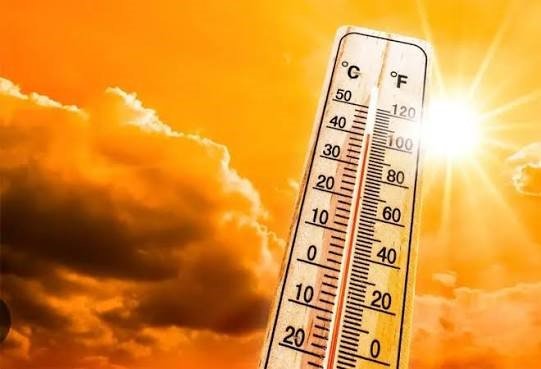
Health experts are warning that increasingly frequent and intense heatwaves are becoming a major public health concern, with rising temperatures contributing to heat-related illnesses, dehydration, and increased pressure on healthcare systems.
The warning comes as many parts of the world continue to experience unusually high temperatures linked to changing climate patterns. Medical professionals say prolonged exposure to extreme heat can affect people of all ages, but older adults, young children, pregnant women, and individuals with chronic medical conditions face the highest risk.
Heatwaves and Their Health Impact
A heatwave occurs when temperatures remain significantly above normal for several consecutive days. According to public health experts, these events are becoming more common and lasting longer than in previous decades.
Extreme heat can overwhelm the body’s ability to regulate temperature, leading to conditions such as heat exhaustion and heatstroke. Hospitals often report an increase in emergency visits during periods of very high temperatures, particularly among people who spend long hours outdoors or lack access to cooling.

Doctors say heat can also worsen existing medical conditions, including heart disease, respiratory illnesses, and kidney disorders.
Common Heat-Related Illnesses
Health professionals advise the public to watch for symptoms of heat-related illness, which may include:
-
Excessive sweating
-
Dizziness
-
Headache
-
Muscle cramps
-
Fatigue
-
Nausea
-
Rapid heartbeat
-
Confusion or difficulty concentrating
Severe cases can develop into heatstroke, a life-threatening emergency characterized by a body temperature above 40°C (104°F), confusion, seizures, or loss of consciousness. Immediate medical attention is required in such situations.
Why Some People Are More Vulnerable
Experts explain that certain groups are less able to cope with extreme heat.
Older adults may have reduced ability to regulate body temperature and may also take medications that affect hydration.
Children lose fluids more quickly and may not recognize the early signs of overheating.
Outdoor workers face prolonged exposure to direct sunlight and high temperatures.
People with chronic illnesses such as diabetes, hypertension, and heart disease may experience worsening symptoms during heatwaves.
Protecting Yourself During Extreme Heat
Public health officials recommend several simple measures to reduce the risk of heat-related illness:
-
Drink plenty of water throughout the day.
-
Avoid excessive alcohol and caffeinated beverages.
-
Stay in shaded or well-ventilated areas.
-
Wear lightweight, light-colored clothing.
-
Limit outdoor activities during the hottest part of the day, usually between 12 p.m. and 4 p.m.
-
Use fans or air conditioning if available.
-
Check regularly on elderly relatives and neighbors.
People who work outdoors are advised to take frequent breaks, seek shade whenever possible, and stay hydrated.
Urban Areas Face Additional Risks
Health experts note that cities often become significantly hotter than surrounding rural areas due to the concentration of buildings, roads, and other surfaces that absorb and retain heat. This phenomenon, known as the urban heat island effect, can make nighttime temperatures remain dangerously high and increase health risks for residents.
Public health authorities are encouraging local governments to expand access to cooling centers, improve green spaces, and strengthen emergency response plans during periods of extreme heat.
Climate and Long-Term Health Concerns
Scientists say rising global temperatures are increasing the likelihood of more frequent and severe heatwaves. In addition to immediate health effects, prolonged heat exposure can contribute to chronic dehydration, kidney problems, reduced productivity, and mental health stress.
Health organizations are calling for stronger climate adaptation measures, including improved public warning systems and better protection for vulnerable populations.
Public Health Message
Doctors emphasize that heat-related illnesses are largely preventable when people take appropriate precautions. They encourage the public to pay attention to weather advisories, stay hydrated, and seek medical care if symptoms of severe overheating develop.
As temperatures continue to rise in many regions, health experts say awareness and early preventive action will be critical in reducing illness and saving lives during future heatwaves.




