


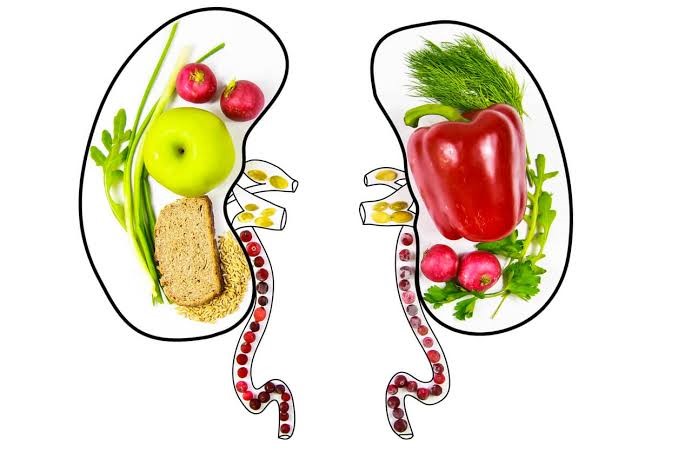
Your kidneys play a vital role in keeping your body healthy. These two bean-shaped organs work around the clock to filter waste, remove excess fluid, balance minerals, regulate blood pressure, and produce hormones that support red blood cell production and bone health. Despite their importance, kidney health is often overlooked until serious problems develop.
According to health experts, chronic kidney disease (CKD) is becoming a growing global health concern, affecting millions of people worldwide. The condition often develops silently, with many people showing no symptoms in its early stages. Fortunately, adopting healthy lifestyle habits can significantly reduce the risk of kidney disease and help maintain proper kidney function.
Why Kidney Health Matters
Healthy kidneys filter about 50 gallons (approximately 190 liters) of blood every day, removing toxins and waste products through urine. When the kidneys become damaged, waste can build up in the body, leading to serious health complications such as high blood pressure, heart disease, anemia, bone disorders, and, in severe cases, kidney failure requiring dialysis or a kidney transplant.
Because kidney disease often progresses without obvious warning signs, prevention remains the best form of protection.

1. Stay Well Hydrated
Drinking enough water helps the kidneys remove waste and maintain the body’s fluid balance. Proper hydration also reduces the risk of kidney stones and urinary tract infections.
Health professionals recommend drinking water regularly throughout the day, especially during hot weather or physical activity. However, individuals with certain kidney or heart conditions should follow their healthcare provider’s advice regarding fluid intake.
2. Control Your Blood Pressure
High blood pressure is one of the leading causes of kidney damage. Over time, elevated blood pressure weakens the tiny blood vessels in the kidneys, reducing their ability to filter blood effectively.
Experts recommend checking your blood pressure regularly, reducing salt intake, exercising consistently, maintaining a healthy weight, and taking prescribed medications if necessary.
3. Manage Blood Sugar Levels
Diabetes is another major cause of kidney disease. High blood sugar can damage the kidneys’ filtering units, increasing the risk of chronic kidney disease.
People living with diabetes should monitor their blood glucose levels, follow a healthy diet, take medications as prescribed, and attend regular medical check-ups to protect their kidneys.
4. Eat a Balanced Diet
A healthy diet supports both kidney function and overall well-being. Nutrition experts recommend eating plenty of fruits, vegetables, whole grains, lean proteins, and healthy fats while limiting foods high in salt, sugar, and saturated fat.
Reducing processed foods and sugary drinks can also help lower the risk of obesity, diabetes, and hypertension—all of which can contribute to kidney disease.
5. Avoid Excessive Use of Painkillers
Many people regularly use over-the-counter pain medications such as ibuprofen, diclofenac, and naproxen without realizing that frequent or prolonged use can damage the kidneys.
Healthcare professionals advise taking these medications only as directed and consulting a doctor if pain persists instead of relying on long-term self-medication.
6. Exercise Regularly
Physical activity helps control blood pressure, improve blood sugar levels, maintain a healthy weight, and support heart health all of which benefit the kidneys.
Experts recommend at least 150 minutes of moderate-intensity exercise each week, such as brisk walking, cycling, swimming, or dancing.
7. Avoid Smoking and Limit Alcohol
Smoking reduces blood flow to the kidneys and increases the risk of kidney disease, while excessive alcohol consumption can contribute to dehydration and high blood pressure.
Quitting smoking and drinking alcohol in moderation can improve kidney health and lower the risk of many other chronic diseases.
8. Be Careful with Herbal Remedies and Supplements
While many herbal products are marketed as natural, some may contain substances that can harm the kidneys, especially when taken in large amounts or without medical supervision.
Health experts advise discussing any herbal medicine or dietary supplement with a qualified healthcare provider before use, particularly for people with existing kidney problems.
9. Get Regular Health Screenings
Routine medical check-ups can help detect kidney disease before symptoms appear. Simple blood and urine tests can assess kidney function and identify early signs of damage.
Individuals with diabetes, high blood pressure, heart disease, obesity, or a family history of kidney disease should undergo regular kidney health assessments.
Early Warning Signs of Kidney Problems
Although kidney disease may not cause symptoms in its early stages, warning signs can include:
- Swelling of the feet, ankles, or face.
- Frequent urination, especially at night.
- Blood in the urine.
- Foamy urine.
- Persistent fatigue.
- Loss of appetite.
- Muscle cramps.
- Difficulty concentrating.
- High blood pressure that is difficult to control.
Anyone experiencing these symptoms should seek medical evaluation promptly.
Protect Your Kidneys Every Day
Health professionals emphasize that healthy kidneys are essential for a long and healthy life. By staying hydrated, eating nutritious foods, exercising regularly, controlling chronic conditions, and attending routine health screenings, individuals can significantly reduce their risk of kidney disease.
Conclusion
Kidney disease often develops silently, but it is largely preventable through healthy lifestyle choices and early detection. Taking simple steps today such as drinking enough water, managing blood pressure and blood sugar, avoiding unnecessary medications, and scheduling regular medical check-ups can help keep your kidneys functioning properly for years to come. Protecting your kidneys is an investment in your overall health and quality of life.




