


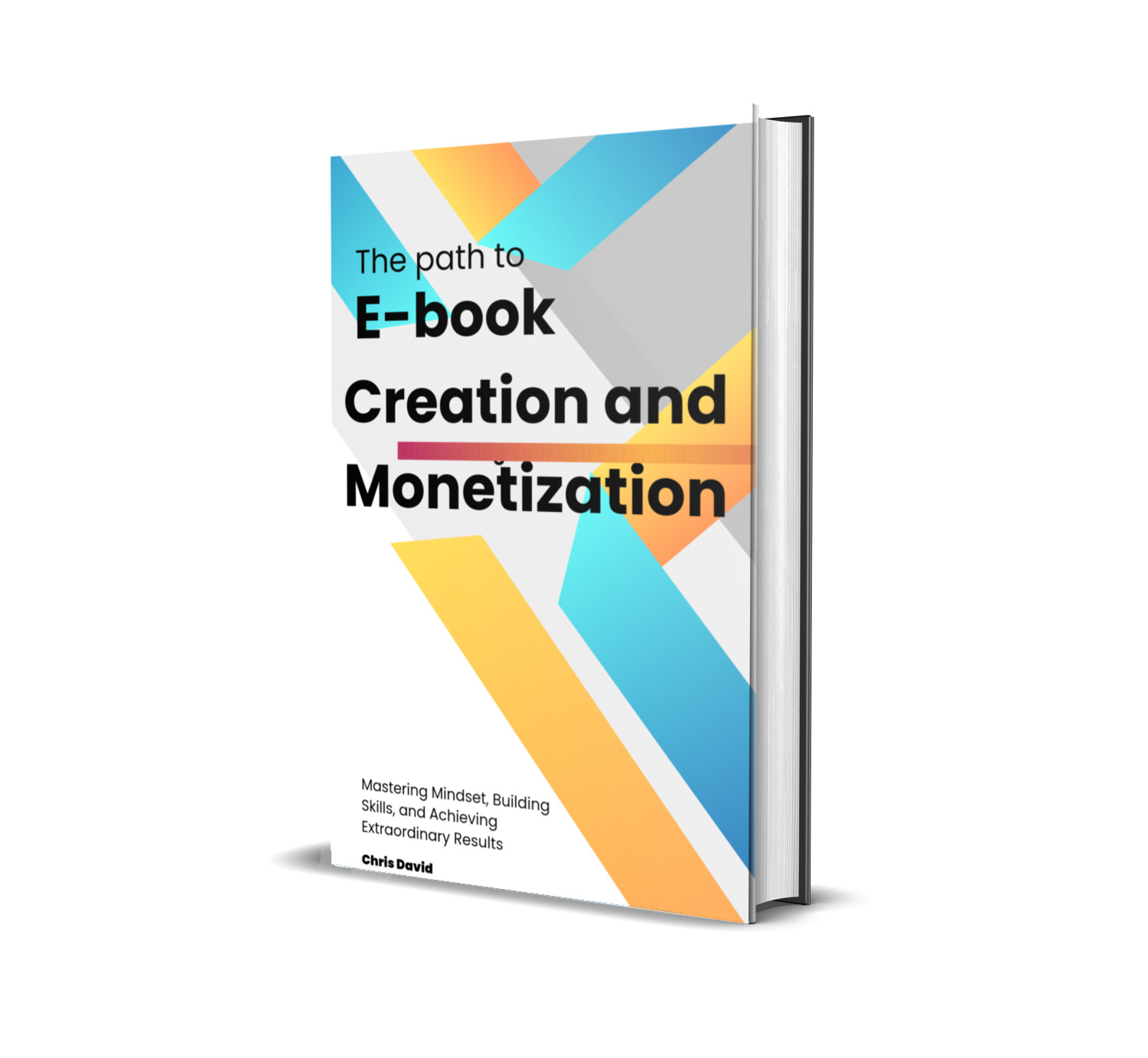
The digital economy has created a new opportunity for African creators who have knowledge, experience or expertise that other people are willing to pay to access. One of the simplest ways to turn that knowledge into income is by creating and selling an e-book.
From Nigeria and Ghana to Kenya and other parts of Africa, more creators are beginning to understand that they do not necessarily need a warehouse, physical shop or expensive equipment to build a digital business. Sometimes, the most valuable product they can sell is information they already know.
An e-book can be a practical guide, business manual, recipe collection, career handbook, educational resource, personal development guide, financial tutorial or industry-specific playbook. Once created, it can be sold repeatedly without the creator having to reproduce a physical item for every customer.
That is the attraction: create once and sell repeatedly.

There is no inventory to manage, no physical delivery to arrange and no packaging cost for every order. With the right system, an e-book can become an additional income stream that continues generating sales long after the original writing is completed.
However, there is an important reality that aspiring digital entrepreneurs need to understand. Creating an e-book is only one part of the business. The bigger challenge is finding people who need the information, convincing them that the book is worth paying for, choosing the right selling platform and making sure customers can actually pay conveniently.
For African creators, payment infrastructure can be particularly important because an international customer may want to pay in dollars while a local customer may prefer naira, mobile money or another familiar payment method.
According to DDM News, the opportunity in digital products is not simply about putting a PDF online and hoping people buy it. The real opportunity lies in combining useful knowledge with effective marketing, accessible payment options and a clear understanding of the audience.
Why E-books Still Work in 2026
Despite the explosion of video content, social media and artificial intelligence, e-books remain relevant because people still want structured information.
Social media is excellent for discovering ideas, but a well-written e-book can take someone from a problem to a solution in a more organized way.
One of the biggest advantages is the low barrier to entry. You do not necessarily need a camera, studio, office or large team. A computer or smartphone, research, writing ability and a useful idea can be enough to begin.
Another advantage is the potential for high margins. Once an e-book has been written and designed, the creator can sell additional copies without manufacturing another physical product.
There is also the possibility of reaching customers outside your immediate location. A creator in Lagos can sell to someone in Accra, Nairobi, London or New York without shipping a physical package.
This makes e-books particularly attractive to African creators because digital products can remove some of the geographical limitations associated with traditional businesses.
But there is another opportunity that may be even more important.
African creators understand African problems.
A global creator may explain how to start an online business, but an African creator can explain how to start that business within the realities of the Nigerian market. Someone in Ghana can explain how to build a Ghana-focused e-commerce operation. A Kenyan creator can provide practical information about local digital payments, business practices or consumer behaviour.
This kind of localized knowledge can be extremely valuable.
People are not always looking for generic information. They want answers that apply to their circumstances.
Before You Write a Single Word
One of the biggest mistakes new e-book entrepreneurs make is opening a document and immediately starting to write.
Writing should not be the first step.
The first step is determining whether anyone actually wants the information.
Your idea should sit somewhere between what you know and what people are actively looking for.
Start by identifying a problem.
What do people constantly ask you about? What have you learned through experience? What problem have you personally solved that other people are still struggling with?
For example, if you have successfully started a small fashion business in Nigeria, an e-book could explain how beginners can source materials, price products, attract customers and manage orders.
If you understand social media marketing, you could create a practical guide for small businesses that want to generate customers from Instagram, Facebook or WhatsApp.
The key is specificity.
“Business Tips” is too broad.
“How to Start a Small Fashion Business in Nigeria With ₦200,000” is considerably more specific.
A reader should immediately understand what problem the book solves and who it is designed for.
Research the Demand
Before investing days or weeks into writing, test your idea.
Free search tools can provide useful clues. Type your proposed topic into Google and examine the suggestions that appear. Look at related questions people ask and identify recurring problems.
Social media can also be a valuable research tool.
Search Facebook groups, TikTok comments, Instagram pages, Reddit discussions and other communities where your target audience spends time. Pay attention to questions people repeatedly ask.
If people are already asking for answers, that is evidence of demand.
You can go a step further by talking directly to potential readers.
Ask them what they struggle with, what information they wish they had when starting and what they would consider worth paying to learn.
This process can save you from making one of the most expensive mistakes in digital publishing: spending weeks creating a product nobody wants.
Create a Useful E-book, Not Just a Long PDF
A successful e-book should not be measured by its number of pages.
A 40-page book that solves a specific problem can be more valuable than a 150-page document filled with unnecessary information.
Start with a clear promise.
Tell the reader what they will learn or accomplish by the end of the book.
Then organize the information logically.
You could begin with the problem, explain the fundamentals, move into practical steps, provide examples and finish with a clear action plan.
Where appropriate, include checklists, templates, examples, worksheets or resources. These can make an e-book considerably more useful because the reader is not simply consuming information; they are applying it.
And remember that AI can assist with research, brainstorming, editing and organization, but creators should not rely on AI to produce generic content without adding personal experience, expertise and original insight.
The value of an e-book comes from the usefulness of the information, not simply from its word count.
Decide What Your E-book Should Cost
Pricing is another area where new creators often struggle.
There is no universal price for an e-book. The right price depends on the problem being solved, the depth of the information, the target audience, the creator’s authority and the perceived value of the outcome.
A short introductory guide may be inexpensive, while a detailed professional resource containing templates, examples and practical systems can command a significantly higher price.
Avoid pricing solely based on how many pages you have written.
Instead, consider the value of the solution.
If your e-book helps someone avoid expensive mistakes, save significant time or learn a skill that could increase their income, the potential value is much greater than the cost of producing the PDF.
Choose the Right Platform and Payment System
Once the product is ready, you need somewhere to sell it.
Your platform should make it easy to upload the e-book, process payments, deliver the digital file automatically and track sales.
For African creators, payment flexibility deserves special attention.
A platform may look attractive because it is popular internationally, but if your target customers struggle to complete payments or you lose too much money through transaction fees and currency conversion, the platform may not be suitable for your market.
Think about your audience first.
If most of your customers are Nigerian, make sure your payment process works smoothly for Nigerian buyers. If you want international customers, consider how you will receive foreign payments and whether the platform supports the currencies and payment methods your audience is likely to use.
The easier you make payment, the fewer potential customers you lose at checkout.
How to Get Your First 100 Sales
Creating the e-book is only half the business. You now have to sell it.
Start with the audience you already have.
If you have followers on Instagram, TikTok, Facebook, LinkedIn or WhatsApp, introduce the problem your book solves before promoting the product.
Do not simply post, “Buy my e-book.”
Teach.
Share useful tips from the book. Tell stories about mistakes you made. Explain common problems. Answer questions. Show potential customers what they can learn.
This creates a relationship between your content and your product.
You can also create short-form videos around individual lessons from the book. One useful video can introduce hundreds or thousands of people to the problem your e-book solves.
Testimonials can become increasingly important once you have your first customers. Ask satisfied readers for honest feedback and, with their permission, use that feedback in your marketing.
You can also consider partnerships with creators who already have access to your target audience.
The objective is not to become famous before selling your first e-book.
It is to get your product in front of the right people.
Think Beyond One E-book
The most interesting part of the e-book business is what can happen after your first product succeeds.
An e-book can become the foundation of a larger digital business.
You could create a second book, develop a course, offer consulting, sell templates, organize workshops or build a membership community around the same subject.
For example, someone who writes an e-book about starting a small business could eventually create a business-planning template, a paid workshop and one-on-one consulting service.
This means the e-book does not necessarily have to be the final product.
It can be the entry point into an entire digital-product ecosystem.
The biggest opportunity for African creators in 2026 is therefore not simply learning how to write an e-book. It is learning how to identify valuable knowledge, package it effectively and build a system around it.
DDM News believes the creators who will stand out in the digital economy will not necessarily be those with the biggest audiences, but those who understand their audiences deeply and consistently create products that solve real problems.
You do not need thousands of followers to begin. You need a clear problem, useful knowledge, a well-designed product, a convenient payment system and a strategy for reaching people who actually need what you have created.
Start with one problem.
Research the demand.
Create a genuinely useful solution.
Price it intelligently.
Make payment simple.
Promote it consistently.
Then listen to your customers and improve.
An e-book may begin as a simple PDF, but with the right strategy, it can become much more than that: a scalable digital product, a new income stream and potentially the foundation of a much larger online business.




