


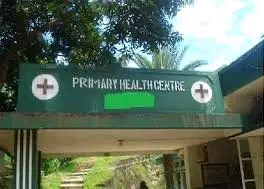
OGUN STATE, NIGERIA — Fresh concerns have emerged over alleged illegal charges imposed on nursing mothers at some Primary Healthcare Centres in Ogun State despite Federal Government policies declaring child immunisation services free in public health facilities nationwide.
Investigations into activities at several PHCs revealed complaints from mothers who claimed health workers demanded between ₦1,000 and ₦2,000 before administering vaccines to infants and young children.
The allegations have triggered renewed debate about corruption, weak monitoring systems, and barriers preventing low-income families from accessing essential healthcare services.
Nigeria’s immunisation programme officially provides vaccines for children at no cost through government-supported healthcare centres across the country.

The programme aims to reduce infant mortality and protect children against deadly diseases including measles, polio, tuberculosis, hepatitis, and yellow fever.
However, some nursing mothers in Ogun State alleged that certain healthcare workers continue to exploit vulnerable families by introducing unofficial charges before treatment or immunisation.
Several women claimed they were informed that payment was necessary for registration cards, gloves, syringes, or “service support” before their babies could receive vaccines.
Others alleged that mothers who refused to pay often experienced delays, intimidation, or neglect during clinic visits.
Health advocates warn that such practices could discourage poor families from returning for routine immunisation appointments, potentially exposing children to preventable diseases.
Public health experts say Nigeria already faces serious challenges with vaccine hesitancy, inadequate rural healthcare access, and underfunded medical infrastructure.
They argue that illegal charges at government health facilities further weaken public confidence in the healthcare system.
Some affected mothers expressed frustration over the financial burden, especially amid worsening economic hardship and rising living costs across the country.
According to them, many families already struggle to afford transportation and feeding expenses before arriving at healthcare centres.
The allegations have also renewed scrutiny of accountability mechanisms within primary healthcare administration in several states.
Healthcare rights groups insist that immunisation services funded by government agencies and international partners should remain completely free for citizens.
They argue that unofficial collections undermine national efforts aimed at improving child health and reducing infant mortality rates.
Medical experts note that routine immunisation remains one of the most effective public health interventions globally.
They warn that any obstacle preventing children from receiving vaccines could increase the risk of disease outbreaks within communities.
Nigeria has previously battled outbreaks of polio, measles, diphtheria, and cholera in different regions, making consistent immunisation coverage critical for national health security.
Public health analysts say poor supervision, inadequate worker welfare, and corruption within local healthcare systems sometimes contribute to illegal charging practices.
Some healthcare workers, however, privately argue that shortages of operational funding and medical supplies create pressure within under-resourced facilities.
Authorities have repeatedly maintained that no Nigerian should pay for routine immunisation at public health centres.
The Federal Government and international health partners including World Health Organization and UNICEF continue to support vaccination campaigns aimed at protecting millions of Nigerian children.
Health sector observers are now calling for stronger monitoring systems, whistleblower protection, and disciplinary action against officials found demanding illegal payments from nursing mothers.
They also urged state governments to improve oversight at PHCs and ensure healthcare workers comply with official immunisation policies.
For many affected mothers in Ogun State, the issue goes beyond money.
They say it reflects a deeper struggle within Nigeria’s healthcare system, where poor families often face hidden costs even when government services are officially declared free.




