


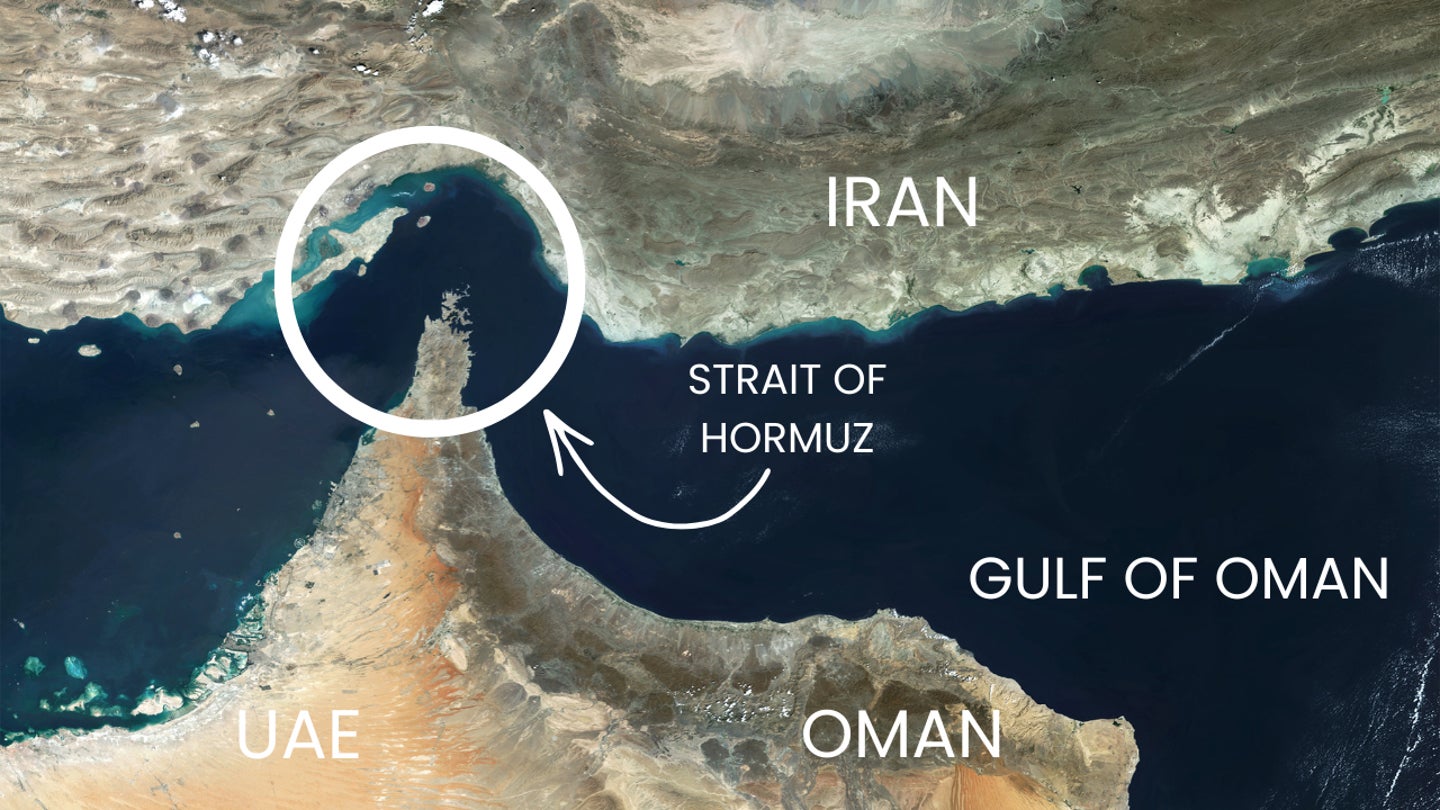
Iran is making a bold show of strength in the Strait of Hormuz, releasing dramatic footage of its commandos boarding cargo ships after peace talks with the United States fell apart.
State TV aired the video overnight, showing armed troops in speedboats pulling up alongside a large vessel, climbing aboard, and taking control.
The ships identified as the MSC Francesca and the Epaminondas were reportedly seized for attempting to pass through the strait without permission.
The message from Tehran is clear: it’s firmly in control of the waterway.

Iran has effectively restricted access to the strait since the war began, allowing mostly its own vessels through.
It says it won’t fully reopen the route which handles about a fifth of global oil and gas shipments unless the U.S. lifts its blockade on Iranian shipping.
Officials in Tehran say they’ve even started collecting tolls from ships using the route, though details remain unclear.
Efforts to restart diplomacy are still hanging in the balance.
Pakistan, which hosted earlier talks, is still in contact with both sides, but Iran has yet to commit to returning to the table.
The U.S. delegation, led by Vice President JD Vance, hasn’t moved forward either.
For now, the situation feels stuck not quite war, but far from peace.
U.S. President Donald Trump has backed away from immediate threats to resume attacks but is holding firm on the blockade.
Iran, on the other hand, says negotiations can’t move forward under pressure.
Inside Iran, the uncertainty is taking its toll. Residents describe living in constant tension, unsure if fighting could restart at any moment.
Meanwhile, the standoff is shaking global markets.
Oil prices have been climbing again, while stock markets react nervously to the lack of a clear path forward.
Adding to the turbulence, the Pentagon saw another shake-up: John Phelan was removed as Secretary of the Navy, reportedly over internal disagreements.
Despite weeks of conflict, neither side appears to have fully achieved its goals. Iran still holds significant military capability and now, tighter control over one of the world’s most critical shipping lanes.




