


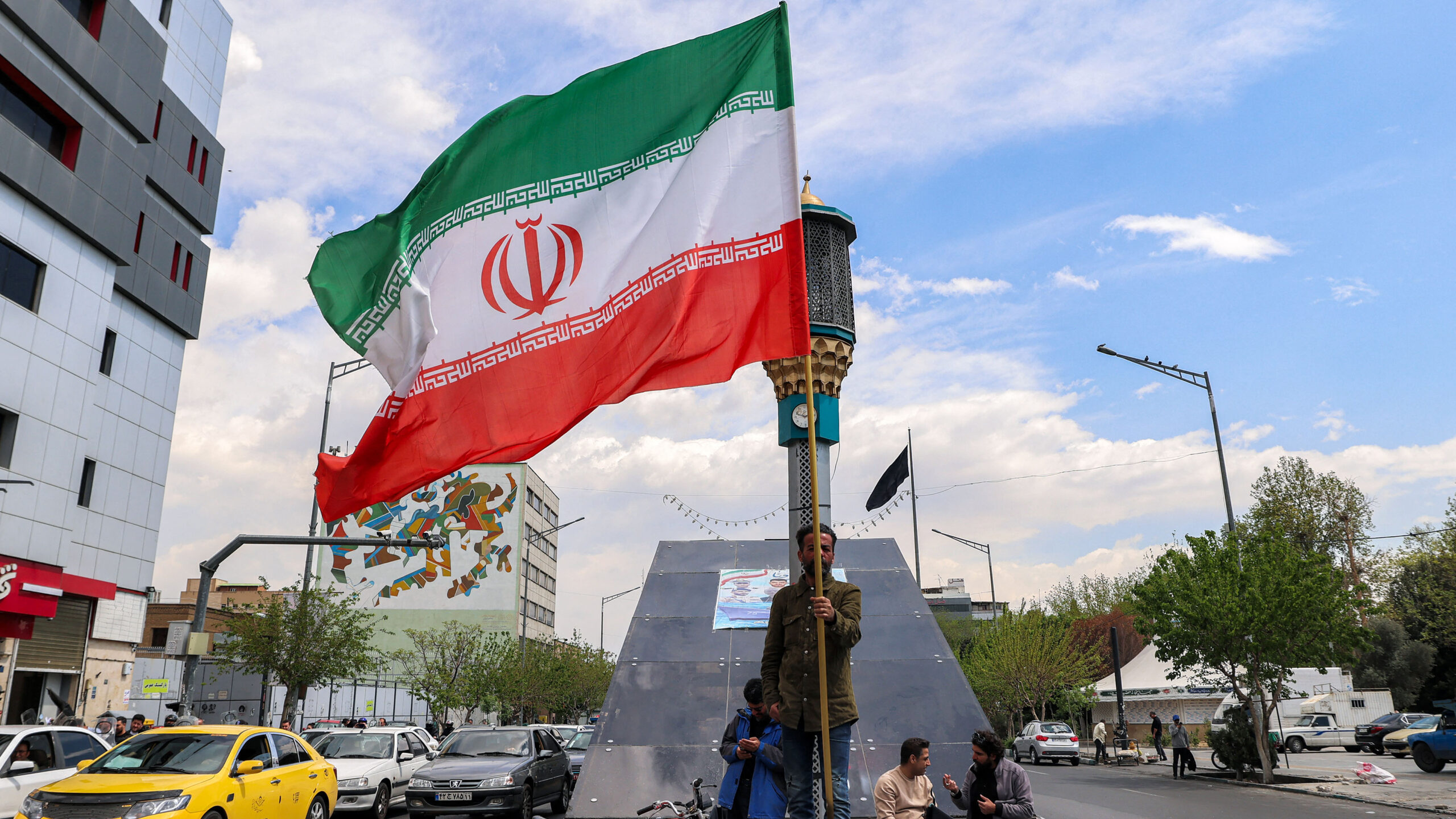
The Iranian government have adopted a new tactics to target ships passing through the Strait of Hormuz in order to keep oil prices high and influence the United States midterm elections, two senior Iranian officials have told Reuters.
The officials declined to give details of the new strategy.
One of them said Iran began using different offensive tactics against vessels it considers in breach of its restrictions about 10 days ago, and that this had led to more attacks on such ships.
According to the officials, the strategy covers both the type and the pace of attacks.

“The aim is to frustrate efforts by the United States and its allies to bring down global oil prices,” one of the officials said.
They added that the decision was taken at the highest levels of Iran’s leadership and fully coordinated across the ruling system.
Iran attacks on shipping to spread beyond Hormuz
The officials said Tehran will also widen its operations beyond the strait to the Gulf of Oman and waters further afield. Analysis by maritime security sources suggests this may already be happening, with ships targeted off the coast of Qatar and the United Arab Emirates in recent days.
The second official said Iran would not allow President Donald Trump to bring down oil prices before the November elections.
“Just when they think they are getting close to the point where prices will fall, we will push them away from it. This is a game of chess,” he said.
He added that such vessels “would be safe nowhere, even outside the Strait of Hormuz.”
Both officials said Tehran is moving towards a situation in which no vessel violating its restrictions could pass through the strait. “It will be complete closure soon,” one of them said.
US official: Iran using spotters
A US military official, who spoke on condition of anonymity, confirmed that Iran had changed tactics in one major way. After the US destroyed much of Iran’s radar capability, the Islamic Revolutionary Guard Corps began using unarmed spotters in small boats to identify targets, including American naval vessels.
Last week, the official said, US forces found Iranian spotters operating from a dhow and calling in targets to the Guard Corps. The US military told the occupants to abandon the vessel and then destroyed it. No one was hurt.
The official said Iran had been unable to stop a rise in oil exports through the strait, because it is unwilling to risk its remaining fast boats after US strikes devastated its navy.
Attacks at highest level since war began
Independent data show attacks on commercial ships in the area have surged to their highest level since the war began. Maritime security sources and the UK Maritime Trade Operations agency recorded at least five incidents in the past 48 hours. They involved tankers and other ships, including drone strikes.
According to the International Maritime Organization, that matches the rate of attacks on October 3 to 5, pointing to a fresh escalation. “There is a tempo increase in strikes, which looks deliberate,” one maritime security source said.
The US Navy-led Joint Maritime Information Center said on Sunday that the threat to merchant shipping in the strait remains “severe”, its second-highest level.
Background to the Hormuz standoff
Tehran has tried to control the Strait of Hormuz since the US and Israel struck Iran on February 28. Before the war, the waterway carried about a fifth of global oil and liquefied natural gas trade. Iranian restrictions and attacks have sharply cut traffic and pushed up oil prices.
The war, which costs about $3bn a month, has become a key issue on the campaign trail ahead of the November elections that will decide control of Congress. Trump has been weighing his next steps against Iran, but has said he will not attack again before the vote. Meanwhile, the US is enforcing a naval blockade of Iranian ports and extending sanctions to push Tehran towards a deal.
The Pentagon and Iran’s Foreign Ministry did not immediately respond to requests for comment.




