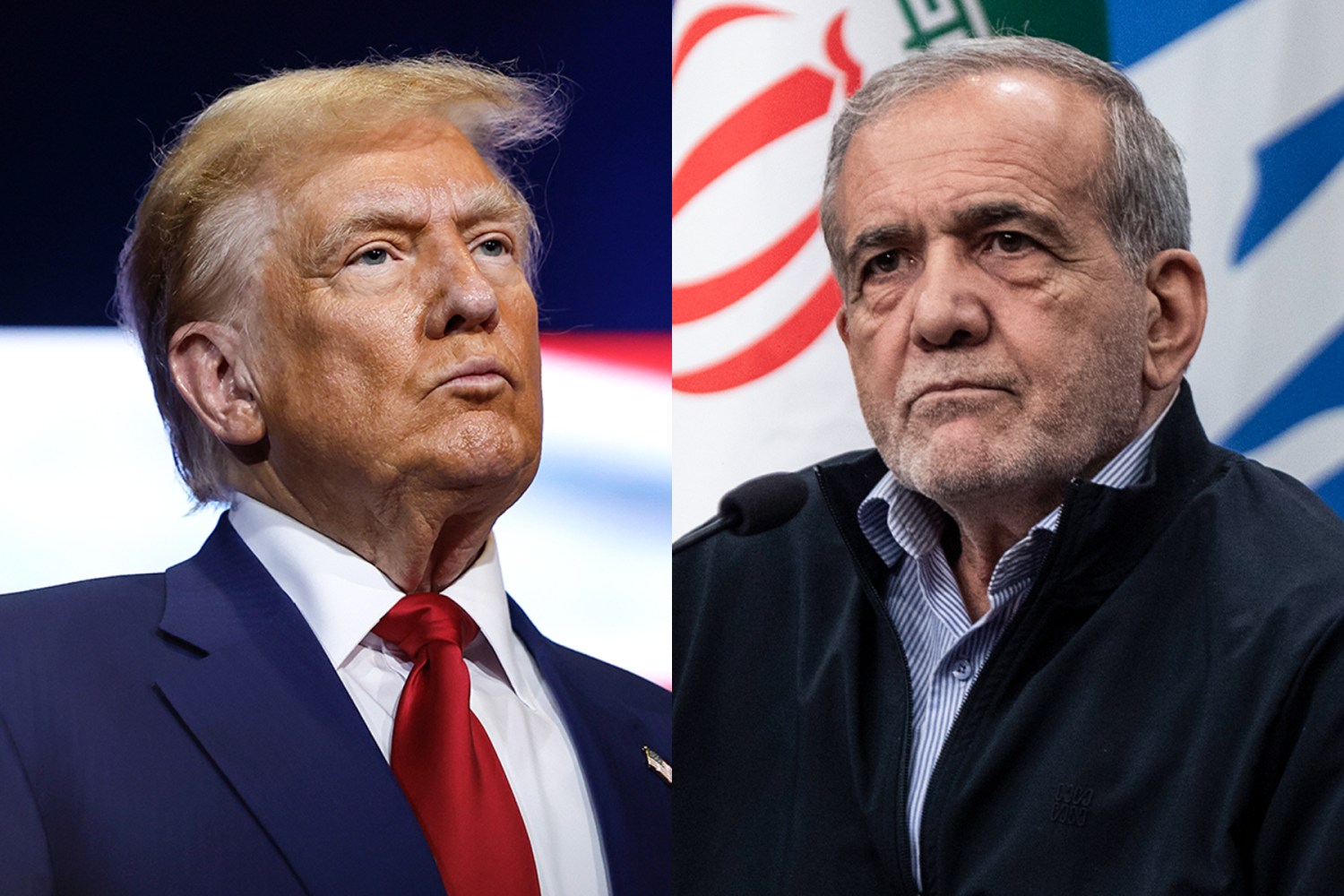
Tensions in the Middle East are rising again as Iran warns it is ready to strike back hard if the United States launches a ground invasion.
In a message marking one month since the war began, Iran’s Parliament Speaker, Mohammad Bagher Ghalibaf, accused Washington of sending mixed signals talking about peace publicly while quietly preparing for military action.
“The enemy speaks of negotiations, but behind the scenes, it is planning a ground attack,” he said.
The warning comes as the US continues to build up troops in the region.
Thousands of soldiers have been deployed in recent weeks, with more arriving from Asia.

While US officials insist diplomatic talks are ongoing, the growing military presence suggests preparations for possible escalation.
One possible target being discussed is Kharg Island, Iran’s main oil export hub. Capturing it would deal a major blow to Iran’s economy by cutting off a key source of revenue.
There is also speculation that US forces could try to secure parts of the Strait of Hormuz a critical global shipping route that Iran has effectively disrupted since the conflict began.
Some reports also suggest the US could attempt raids on Iranian nuclear sites to prevent sensitive materials from being used to develop weapons.
But analysts warn that a ground invasion would be extremely risky. Iran has already signaled it is prepared, and Ghalibaf made it clear that Iranian forces are “waiting” for US troops, warning they would “rain fire” on them if they enter the country.
Beyond the immediate battlefield, there are growing fears about the wider region.
Gulf countries hosting US bases could become targets, and Iran has already launched missile and drone attacks in the area.
Energy infrastructure is also at risk. Earlier this month, missiles struck a major gas facility in Qatar, shaking global energy markets. Experts say further attacks on oil and gas sites or even water desalination plants could cause serious economic and humanitarian problems.
Despite the rising tensions, both sides appear far from reaching a deal.
The US has laid out tough conditions, including demands for Iran to halt its nuclear program and limit its missile capabilities terms Tehran has long rejected.
Iran, on the other hand, is calling for war compensation, control over key waterways, and the removal of US bases in the region demands that Washington is unlikely to accept.
While there is growing pressure on both sides to end the conflict, there are few signs of compromise for now.
Even after weeks of heavy strikes that have weakened parts of its military and leadership, Iran has shown it can still respond in ways that disrupt global trade and energy supplies.
For now, the situation remains volatile and the possibility of a wider war is becoming harder to ignore.