


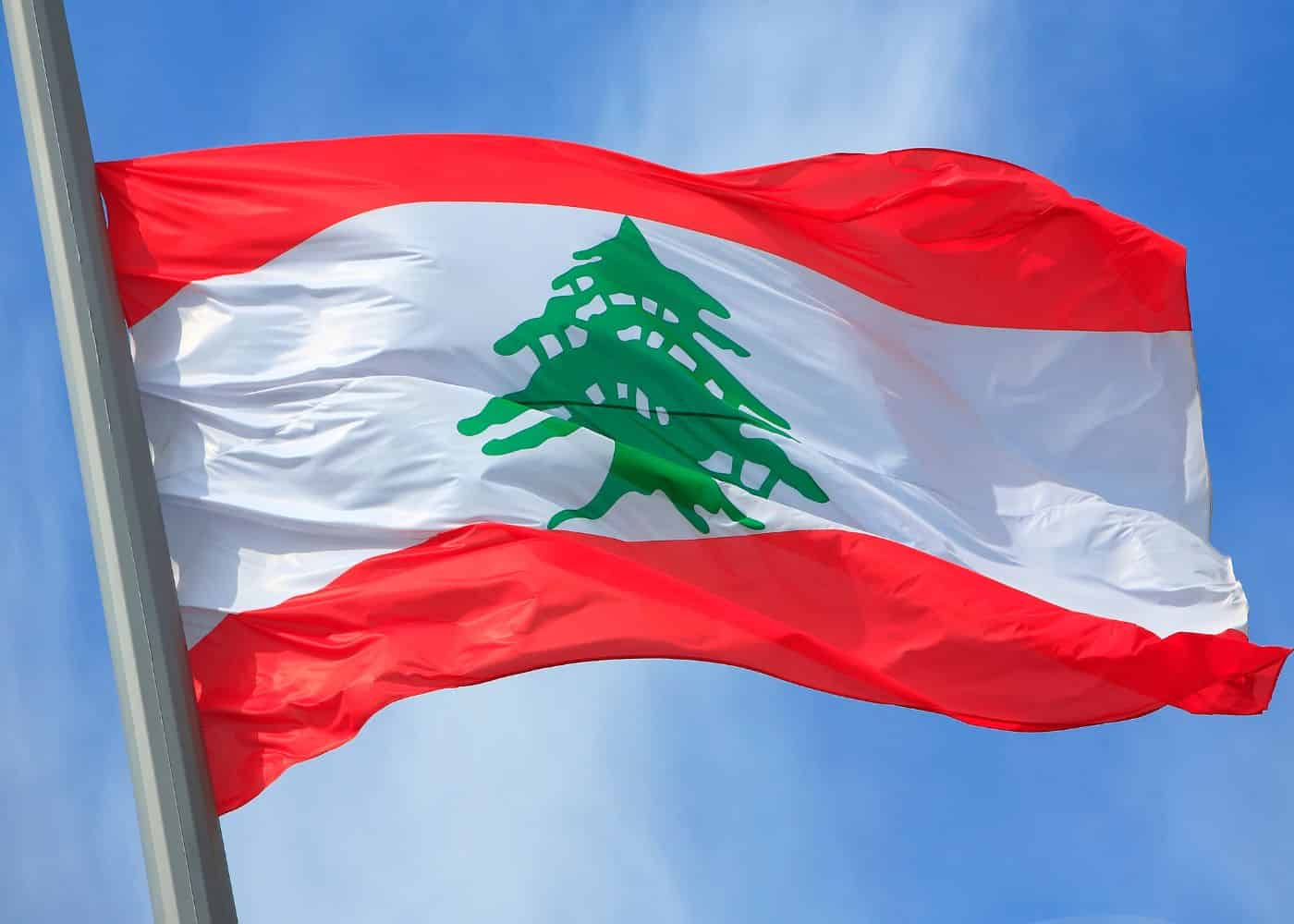
Israel and Lebanon have agreed to extend their ceasefire by another three weeks, following talks at the White House led by Donald Trump.
The pause in fighting is seen as a small but important step in a much wider and still unresolved regional conflict.
At the heart of the tension is the ongoing standoff with Iran a conflict that stretches beyond Lebanon and touches on major global concerns like nuclear ambitions and control of key trade routes.
One of the biggest flashpoints remains the Strait of Hormuz, a critical artery for global oil shipments.

Despite the ceasefire, the waterway is still effectively blocked, with Iran tightening its grip and even seizing cargo vessels. That’s sending ripples through global markets and keeping oil prices on edge.
Trump, however, is in no hurry to wrap up a deal. He says he wants something “lasting,” not rushed.
At the same time, he maintains that the U.S. still has the upper hand militarily, downplaying Iran’s naval capabilities and suggesting Tehran’s leadership is too divided to strike a meaningful agreement right now.
He also ruled out using nuclear weapons in the conflict a notable statement given the rising tensions.
Still, the situation is far from stable. The ceasefire between Israel and Lebanon only addresses one part of a much bigger crisis.
With the Strait of Hormuz still disrupted and no clear path to broader peace, the risk of escalation remains very real.
In short: fighting may have paused in one area, but the wider conflict is far from over and the global economy is already feeling the pressure.




