


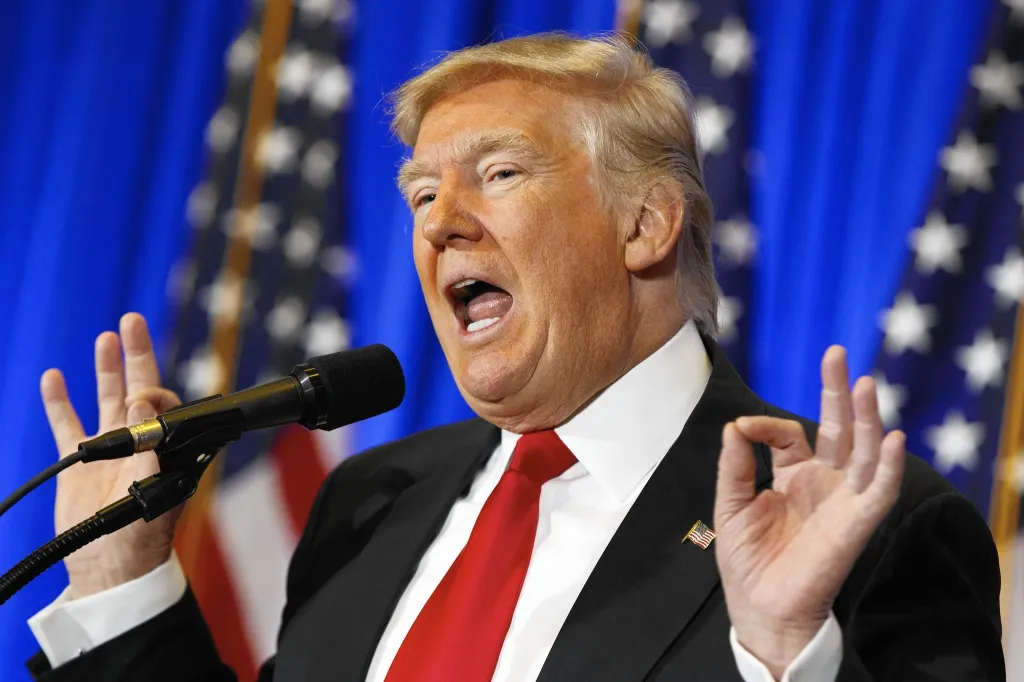
United States President Donald Trump extended the ceasefire with Iran, just hours before it was due to expire a move that buys more time for fragile peace talks that are still hanging in the balance.
The decision reportedly came after Pakistan, which is helping mediate the crisis, asked Washington to hold off on any fresh attacks while negotiations continue.
Behind the scenes, things are far from settled.
A planned trip by Vice President JD Vance to Pakistan for another round of talks has been put on pause after Tehran failed to respond clearly to U.S. proposals.

Iranian officials, on their part, say they haven’t even decided whether they’ll return to the negotiating table.
Even with the ceasefire extension, tensions remain high.
Speaking earlier, Trump warned that military action is still very much on the table if talks collapse, saying the U.S. is ready to act if no deal is reached.
At the heart of the standoff are some familiar sticking points especially Iran’s nuclear programme and control of the Strait of Hormuz, a critical route for global oil shipments that has seen heavy disruption since the conflict began.
The impact is already being felt worldwide. Oil prices are creeping toward $100 a barrel, and shipping through the strait has slowed dramatically, raising concerns about prolonged economic fallout if the situation drags on.
Meanwhile, the broader region remains tense.
Clashes involving Hezbollah and Israeli forces continue despite a separate ceasefire, with both sides accusing each other of violations.
For now, the extended truce offers a narrow window for diplomacy but with both sides digging in, there’s no guarantee it will hold.




