


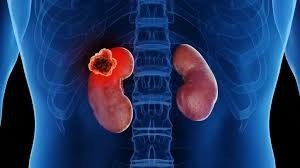
Kidney cancer is a disease in which abnormal cells grow uncontrollably in the tissues of the kidneys. Although it accounts for a small percentage of all cancers, it is one of the most common cancers of the urinary system in adults. When detected early, kidney cancer is often highly treatable.
Health experts say many cases are discovered during imaging tests performed for unrelated medical conditions because early kidney cancer often causes no noticeable symptoms.
What Is Kidney Cancer?
The kidneys are two bean-shaped organs located on either side of the spine below the rib cage. Their primary functions include filtering waste products from the blood, regulating fluid and electrolyte balance, controlling blood pressure, and producing hormones that support red blood cell production and bone health.
Kidney cancer develops when cells within the kidney begin to grow uncontrollably, forming a tumour.

The most common type in adults is renal cell carcinoma (RCC), which accounts for about 90% of kidney cancer cases.
What Causes Kidney Cancer?
The exact cause of kidney cancer is not fully understood. However, researchers believe that genetic changes within kidney cells allow them to multiply uncontrollably.
Several factors can increase the risk of developing the disease.
Risk Factors
People are more likely to develop kidney cancer if they:
- Smoke cigarettes or use tobacco products.
- Have obesity.
- Have high blood pressure.
- Have chronic kidney disease requiring long-term dialysis.
- Have a family history of kidney cancer.
- Have inherited genetic conditions such as Von Hippel–Lindau (VHL) syndrome.
- Are exposed to certain industrial chemicals over many years.
- Are over 50 years of age.
Having one or more risk factors does not necessarily mean a person will develop kidney cancer.
Early Symptoms
Kidney cancer often causes no symptoms in its early stages.
As the tumour grows, symptoms may include:
- Blood in the urine.
- Persistent pain in the side or lower back.
- A lump or swelling in the side or abdomen.
- Unexplained weight loss.
- Persistent fatigue.
- Loss of appetite.
- Fever that is not caused by an infection.
- Night sweats in some individuals.
These symptoms can also occur in many non-cancerous conditions, making medical evaluation essential.
How Is Kidney Cancer Diagnosed?
A healthcare provider may recommend:
- Physical examination.
- Urine tests to detect blood.
- Blood tests to assess kidney function.
- Ultrasound.
- CT scan or MRI to determine the size and spread of the tumour.
- Biopsy in selected cases.
Imaging tests play a major role in confirming the diagnosis.
Stages of Kidney Cancer
Kidney cancer is classified into stages based on the size of the tumour and whether it has spread.
- Stage I: The cancer is small and confined to the kidney.
- Stage II: The tumour is larger but remains within the kidney.
- Stage III: The cancer has spread to nearby lymph nodes or blood vessels.
- Stage IV: The cancer has spread to distant organs such as the lungs, liver, bones, or brain.
Early-stage cancers generally have a better prognosis.
Treatment Options
Treatment depends on the stage of the cancer, the person’s overall health, and kidney function.
Surgery
Surgery is the main treatment for most kidney cancers.
Options include:
- Partial nephrectomy, in which only the tumour and a small amount of surrounding tissue are removed.
- Radical nephrectomy, in which the entire affected kidney is removed.
Targeted Therapy
These medications block specific molecules that help cancer cells grow and spread.
They are commonly used for advanced kidney cancer.
Immunotherapy
Immunotherapy helps the body’s immune system recognise and attack cancer cells.
It has become an important treatment for advanced kidney cancer.
Radiation Therapy
Although kidney cancer is not highly sensitive to radiation, it may be used to relieve symptoms when the cancer has spread to other parts of the body.
Can Kidney Cancer Be Prevented?
Although there is no guaranteed way to prevent kidney cancer, you can lower your risk by:
- Avoiding tobacco products.
- Maintaining a healthy weight.
- Controlling high blood pressure.
- Exercising regularly.
- Eating a balanced diet rich in fruits and vegetables.
- Limiting unnecessary exposure to harmful industrial chemicals.
- Attending regular medical check-ups if you have significant risk factors.
When Should You See a Doctor?
Seek medical evaluation if you experience:
- Blood in your urine.
- Persistent pain in your side or lower back.
- An unexplained lump in your abdomen.
- Unexplained weight loss.
- Persistent fatigue.
- Fever that does not improve.
Early diagnosis greatly improves treatment outcomes.
The Bottom Line
Kidney cancer often develops without symptoms in its early stages, making routine medical evaluation and prompt investigation of warning signs particularly important. Blood in the urine, persistent flank pain, and unexplained weight loss should never be ignored. With advances in surgery, targeted therapy, and immunotherapy, many people diagnosed with kidney cancer can achieve good outcomes, especially when the disease is detected early.
Disclaimer: This article is for informational purposes only and should not replace professional medical advice. Anyone experiencing symptoms suggestive of kidney cancer should consult a qualified healthcare professional promptly for proper evaluation, diagnosis, and treatment.




