


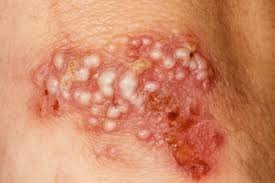
Genital warts remain one of the most common sexually transmitted infections affecting sexually active individuals worldwide. The condition is caused by certain strains of the Human Papillomavirus (HPV), which spreads primarily through skin-to-skin sexual contact.
Health experts explain that HPV transmission can occur during vaginal, anal, or oral sexual activity, even when visible symptoms are absent. The virus often affects warm and moist areas of the body, particularly around the genital and anal regions.
Although there is currently no permanent cure for HPV itself, medical treatments are available to remove genital warts and manage symptoms effectively. In many cases, individuals who receive proper treatment experience complete wart removal, with some never developing another outbreak.

Medical professionals also emphasize the importance of maintaining a strong immune system, as a healthy immune response may help reduce the likelihood of recurrence. Lifestyle habits such as balanced nutrition, regular exercise, adequate sleep, and stress management can support overall immune health.
Nutrition experts recommend incorporating foods rich in vitamin C, selenium, and probiotics into daily meals. Green leafy vegetables, fermented foods, citrus fruits, and other nutrient-dense options may contribute to improved immune function.
Experts further advise practicing safe sex, attending regular medical checkups, and considering HPV vaccination as part of broader prevention efforts against HPV-related conditions.




