


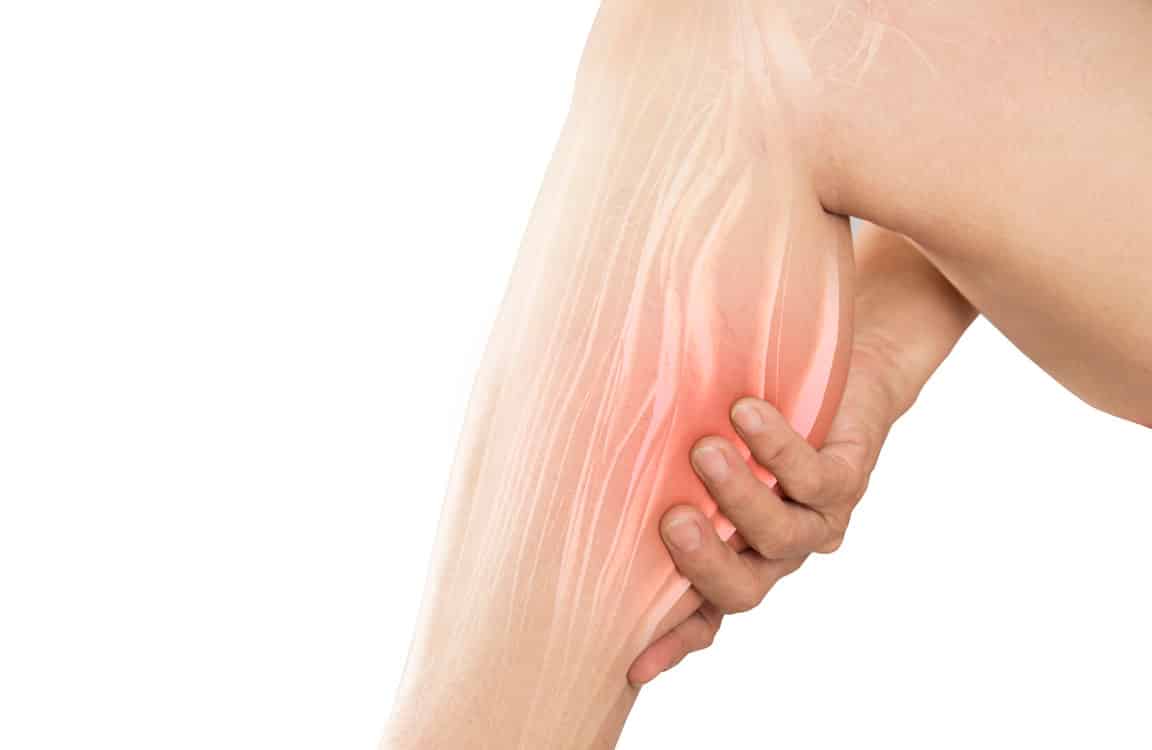
Health experts are urging Nigerians not to ignore frequent muscle cramps, warning that while occasional cramps are often harmless, recurring or severe episodes may indicate an underlying medical condition that requires professional evaluation.
According to medical professionals, muscle cramps are sudden, involuntary contractions of one or more muscles that can cause significant pain and temporary difficulty moving the affected area. They commonly occur in the legs, feet, hands, or arms and may last from a few seconds to several minutes.
Doctors explain that occasional muscle cramps can result from strenuous exercise, dehydration, prolonged standing or sitting, muscle fatigue, or remaining in the same position for an extended period. However, cramps that occur frequently without an obvious cause should be medically assessed.
Health experts note that persistent muscle cramps may be associated with dehydration, electrolyte imbalances, poor blood circulation, nerve disorders, kidney disease, thyroid disorders, diabetes, pregnancy, or certain medications. Identifying the underlying cause is essential for effective treatment.

Medical professionals advise individuals to seek medical attention if muscle cramps become frequent, are unusually painful, interfere with daily activities or sleep, are accompanied by muscle weakness, swelling, numbness, or changes in skin colour, or do not improve with simple self-care measures.
Doctors recommend staying well hydrated, particularly during hot weather or after physical activity, as dehydration is a common cause of muscle cramps. Eating a balanced diet that provides adequate amounts of essential minerals such as potassium, calcium, and magnesium also supports normal muscle function.
Experts encourage regular stretching before and after exercise, maintaining good physical conditioning, and avoiding sudden increases in the intensity or duration of physical activity. Gentle stretching and massage of the affected muscle may help relieve a cramp when it occurs.
Health professionals caution against taking mineral supplements, pain relievers, or herbal remedies without medical advice. Excessive supplementation or inappropriate medication use may cause unwanted side effects or fail to address the actual cause of recurring cramps.
Doctors explain that diagnosing frequent muscle cramps may involve reviewing the patient’s medical history, performing a physical examination, and ordering blood tests or other investigations to identify possible electrolyte imbalances, metabolic disorders, or neurological conditions.
Medical experts conclude that although occasional muscle cramps are common, frequent or persistent episodes should never be ignored. They encourage Nigerians to seek timely medical evaluation whenever muscle cramps become recurrent or are associated with other concerning symptoms, as early diagnosis and appropriate treatment can improve muscle health and overall well-being.




