


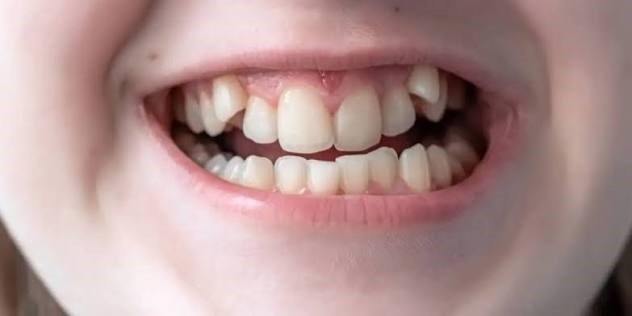
Misaligned teeth, medically known as malocclusion, are more than a cosmetic concern. An improper bite can affect chewing, speaking, oral hygiene, and even jaw health. If left untreated, malocclusion may increase the risk of tooth decay, gum disease, excessive tooth wear, and temporomandibular joint (TMJ) disorders.
Dental experts recommend early evaluation, especially in children, as timely treatment can prevent long-term oral health complications.
What Is Malocclusion?
Malocclusion occurs when the upper and lower teeth do not fit together properly when the mouth is closed.
Common types include:

- Overbite.
- Underbite.
- Crossbite.
- Open bite.
- Crowded teeth.
- Spacing between teeth.
The severity can range from mild to severe.
What Causes Misaligned Teeth?
Several factors can contribute to malocclusion, including:
- Genetics and inherited jaw shape.
- Thumb sucking beyond early childhood.
- Prolonged use of a pacifier.
- Early loss of baby teeth.
- Jaw injuries.
- Impacted teeth.
- Poor dental development.
Some cases develop naturally as the jaw grows.
Symptoms
Many people with mild malocclusion have no symptoms.
When symptoms occur, they may include:
- Difficulty chewing food.
- Frequent biting of the cheeks or tongue.
- Crooked or crowded teeth.
- Speech difficulties.
- Jaw pain or clicking.
- Headaches.
- Uneven tooth wear.
Severe cases may affect facial appearance and self-confidence.
Possible Complications
Without treatment, malocclusion can increase the risk of:
- Tooth decay due to difficulty cleaning between crowded teeth.
- Gum disease.
- Excessive tooth wear.
- Jaw joint (TMJ) disorders.
- Tooth fractures.
- Chronic jaw pain.
Early treatment helps prevent many of these problems.
How Is Malocclusion Diagnosed?
Dentists or orthodontists diagnose malocclusion using:
- A clinical dental examination.
- Dental X-rays.
- Bite analysis.
- Dental impressions or digital scans.
These assessments help determine the most appropriate treatment.
Treatment Options
Treatment depends on the severity of the condition.
Braces
Traditional braces gradually move teeth into proper alignment.
Clear Aligners
Transparent removable aligners may be suitable for selected patients.
Tooth Extraction
Removing one or more teeth may be necessary in severe crowding.
Jaw Surgery
Severe jaw misalignment may require corrective surgery in adults.
Retainers
Retainers help maintain proper tooth alignment after orthodontic treatment.
Can Malocclusion Be Prevented?
Not all cases can be prevented, but you can reduce the risk by:
- Discouraging prolonged thumb sucking.
- Limiting extended pacifier use.
- Attending regular dental check-ups from childhood.
- Treating dental problems early.
- Wearing protective mouthguards during contact sports.
When Should You See a Dentist?
Seek dental evaluation if you notice:
- Crooked or crowded teeth.
- Difficulty chewing.
- Jaw pain or clicking.
- Speech problems related to tooth alignment.
- Excessive wear on your teeth.
Children should have an orthodontic assessment if recommended by their dentist.
The Bottom Line
Misaligned teeth affect more than appearance ,they can interfere with chewing, oral hygiene, and long-term dental health. Early diagnosis and appropriate treatment, whether with braces, aligners, or other orthodontic care, can improve both oral function and confidence while reducing the risk of future complications.
Disclaimer: This article is for informational purposes only and should not replace professional dental advice. Anyone concerned about tooth alignment or bite problems should consult a qualified dentist or orthodontist for proper evaluation and treatment.




