


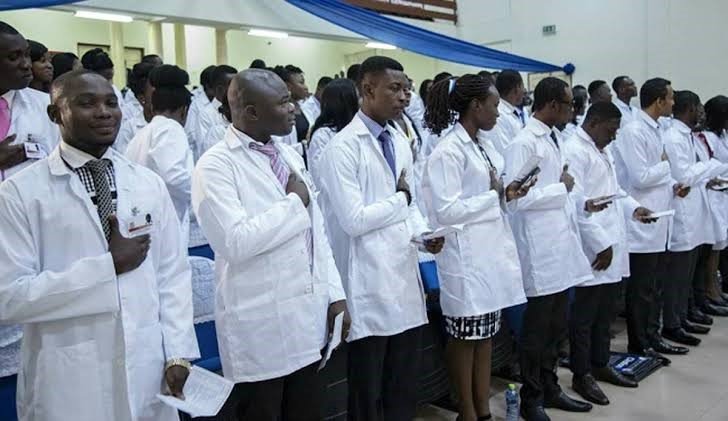
Nigeria’s healthcare sector is grappling with a severe shortage of medical professionals, with experts warning that the dwindling number of doctors is placing unprecedented strain on healthcare services across the country.
Medical practitioners and mental health specialists raised concerns during a scientific conference organized by the Association of Resident Doctors (ARD) at the Federal Neuropsychiatric Hospital, Yaba, Lagos. The event focused on the impact of healthcare workforce shortages on the mental well-being of Nigerians.
According to health professionals, Nigeria currently has only about 55,000 actively practicing doctors serving a population estimated at over 220 million people. The situation has been compounded by the migration of thousands of healthcare workers to foreign countries in recent years.
Growing Impact of Medical Migration
Healthcare stakeholders noted that the continuous departure of doctors and other medical personnel has significantly weakened the country’s healthcare system, particularly mental health services.

The President of the Nigerian Medical Association (NMA), Prof. Omoti Ernest, explained that while more than 130,000 doctors have been registered by the Medical and Dental Council of Nigeria, fewer than half remain in active practice within the country.
With one doctor serving thousands of Nigerians, the current ratio falls far below international recommendations for adequate healthcare delivery.
Ernest attributed the workforce shortage largely to the migration of skilled professionals seeking improved salaries, better working conditions, enhanced career opportunities, and more stable environments abroad.
He warned that the exodus has resulted in staff shortages, increased workloads for remaining healthcare workers, longer waiting times for patients, and declining service quality in many public hospitals. Rural communities, already underserved, have been among the hardest hit.
Mental Healthcare Under Pressure
Mental health experts expressed particular concern over the consequences of the doctor shortage on psychiatric services.
Consultant Psychiatrist Dr. Yesir Kareem stated that millions of Nigerians are living with mental health conditions, yet a large proportion remain unable to access professional care due to the shortage of specialists.
He explained that inadequate staffing has widened treatment gaps, delayed diagnoses, increased healthcare costs, and placed overwhelming pressure on available professionals. Untreated mental health conditions, he noted, contribute to social and economic challenges, including substance abuse, family instability, unemployment, and reduced productivity.
Healthcare experts also highlighted the increasing workload facing medical personnel, with many doctors experiencing burnout, stress, anxiety, and depression as a result of staffing shortages.
Psychiatrist Numbers Remain Critically Low
The President of the Association of Psychiatrists in Nigeria (APN), Dr. Veronica Nyamali, described the situation as a national crisis.
According to her, the country has fewer than 150 psychiatrists available to meet the mental health needs of millions of citizens. As a result, specialists are often forced to take on responsibilities beyond their normal duties, while research and advanced clinical services receive less attention.
Nyamali noted that many doctors undergoing specialist training eventually relocate abroad, creating persistent vacancies across psychiatric institutions and limiting the development of future mental health professionals.
She also warned that specialist shortages have increased treatment costs and reduced access to care, especially in rural communities where psychiatric services are scarce or entirely unavailable.
Additional Challenges Facing Mental Health Care
Beyond workforce shortages, mental health professionals pointed to declining access to modern psychiatric medications and growing concerns over counterfeit drugs in the market.
The shortage of specialists has also increased reliance on traditional and faith-based healing centres. While acknowledging their role within communities, mental health practitioners emphasized ongoing efforts to collaborate with religious and traditional leaders to encourage appropriate referrals and discourage harmful treatment practices.
Experts further linked rising mental health challenges to worsening economic conditions, insecurity, unemployment, kidnapping incidents, and other traumatic experiences affecting many Nigerians.
Calls for Urgent Government Action
Medical professionals are urging federal and state governments to implement measures aimed at retaining healthcare workers and strengthening the health system.
Key recommendations include improving salaries and welfare packages, investing in modern medical equipment and healthcare infrastructure, expanding specialist training opportunities, ensuring timely payment of wages, and creating clearer career development pathways for healthcare professionals.
Stakeholders also called for greater investment in mental healthcare, wider integration of mental health services into primary healthcare facilities, expanded use of telepsychiatry, and increased public awareness campaigns to reduce stigma and encourage early treatment.
At the conclusion of the conference, participants reaffirmed their commitment to improving healthcare delivery and supporting the welfare of resident doctors, while emphasizing the urgent need for coordinated action to address the growing workforce crisis threatening Nigeria’s health sector.




