


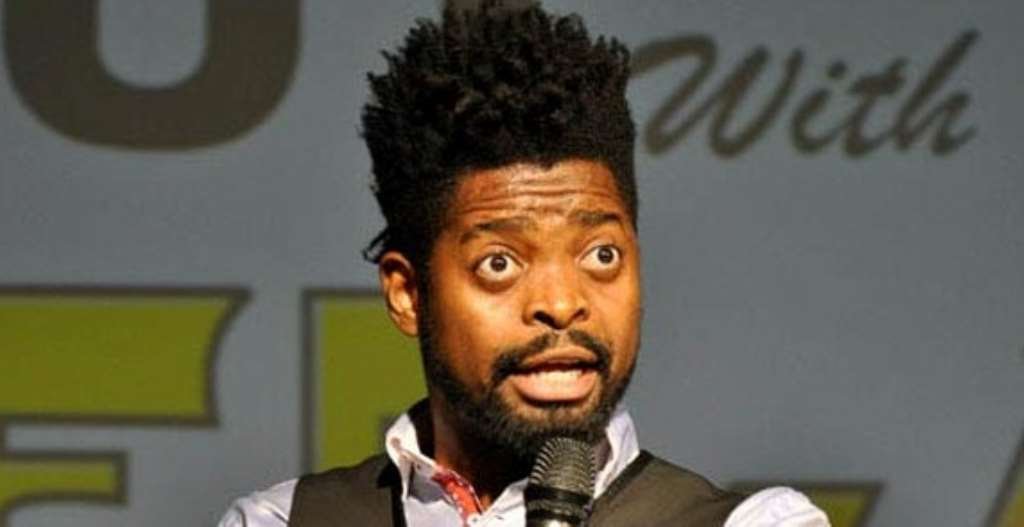
Nigerian comedian and actor Basketmouth has sparked a major conversation online after calling out what he describes as a growing culture of celebrating mediocrity while ignoring real achievements.
Taking to his Instagram page, the award-winning entertainer didn’t hold back as he criticised the role of bloggers and social media platforms in amplifying negativity for attention.
According to him, many Nigerian bloggers have mastered the art of turning scandals into what he described as “premium content,” allowing controversies to dominate headlines for days while genuine success stories barely get noticed.
He pointed out the imbalance in public attention, noting that individuals who build businesses, create jobs, break barriers, and positively impact lives are often met with silence. Yet, the moment something embarrassing or controversial happens, it instantly becomes viral across all platforms.

“Somebody builds something remarkable, breaks barriers, creates jobs, sells out shows, changes lives we get silence. But let there be one embarrassing moment, and suddenly every platform becomes CNN,” he said.
Basketmouth questioned when society shifted its focus so drastically, asking why controversy now trends faster than excellence. He warned that constantly amplifying failure sends a dangerous message that greatness is no longer valued.
“At some point, we have to ask ourselves: when did celebrating mediocrity become our culture? When was the last time brilliance trended the way controversy does?” he added.
The comedian stressed that a society obsessed with downfall and outrage risks conditioning people to believe that hard work, discipline, and creativity are irrelevant.
“A society that only amplifies failure slowly teaches people that greatness is irrelevant. And that’s dangerous,” he warned.
He concluded by calling for a cultural reset one that prioritises celebrating achievements, consistency, and positive impact rather than gossip and public embarrassment.
His comments come at a time when more public figures are beginning to speak out about the influence of social media culture, especially the way online discourse often rewards controversy over substance.
The message has since resonated with many Nigerians, sparking debates about the role of media, audience behavior, and whether society itself is responsible for what ultimately trends.




