


Many people associate weight loss with restrictive eating and constant hunger, but nutrition experts emphasize that well-chosen snacks can support both weight management and cardiovascular health. Foods rich in protein, fiber, and healthy fats can help control appetite, regulate blood sugar, and contribute to improved cholesterol levels all without eliminating enjoyable eating habits.
Rather than relying on highly processed “diet” snacks, incorporating whole, nutrient-dense options between meals can help reduce overeating while supporting long-term health goals. The effectiveness of these snacks lies in their ability to promote satiety and deliver beneficial compounds that support the heart and metabolism.
Nuts support fullness and cardiovascular health
Nuts such as almonds and walnuts are widely recognized for their nutrient density. They contain a combination of protein, fiber, and unsaturated fats that help promote a feeling of fullness, reducing the likelihood of excessive snacking later in the day.
Walnuts, in particular, are a source of omega-3 fatty acids, which have been associated with improved heart health. Almonds also contain compounds that support vascular function. When consumed in moderate portions, nuts can help curb appetite while contributing to healthier cholesterol levels.

Greek yogurt and fruit offer protein and antioxidants
Greek yogurt stands out for its high protein content compared to regular yogurt, making it an effective option for appetite control. Protein-rich foods are known to increase satiety, which can lead to reduced overall calorie intake.
Pairing Greek yogurt with fruits such as berries enhances the nutritional value of the snack. Berries are rich in antioxidants, including compounds that support cardiovascular function and help reduce inflammation. Together, this combination provides a balanced snack with protein, vitamins, and relatively low calories.
Avocado on whole grains provides lasting energy
Avocado, combined with whole grain bread, offers a mix of healthy fats, fiber, and complex carbohydrates. This combination helps slow digestion and maintain steady blood sugar levels, reducing the likelihood of energy crashes that can trigger hunger.
Avocados are also a source of potassium, an important mineral for maintaining healthy blood pressure. When paired with whole grains, the nutrients are complemented by additional fiber, making this snack both filling and nutritionally balanced.
Dark chocolate and nuts satisfy cravings in a healthier way
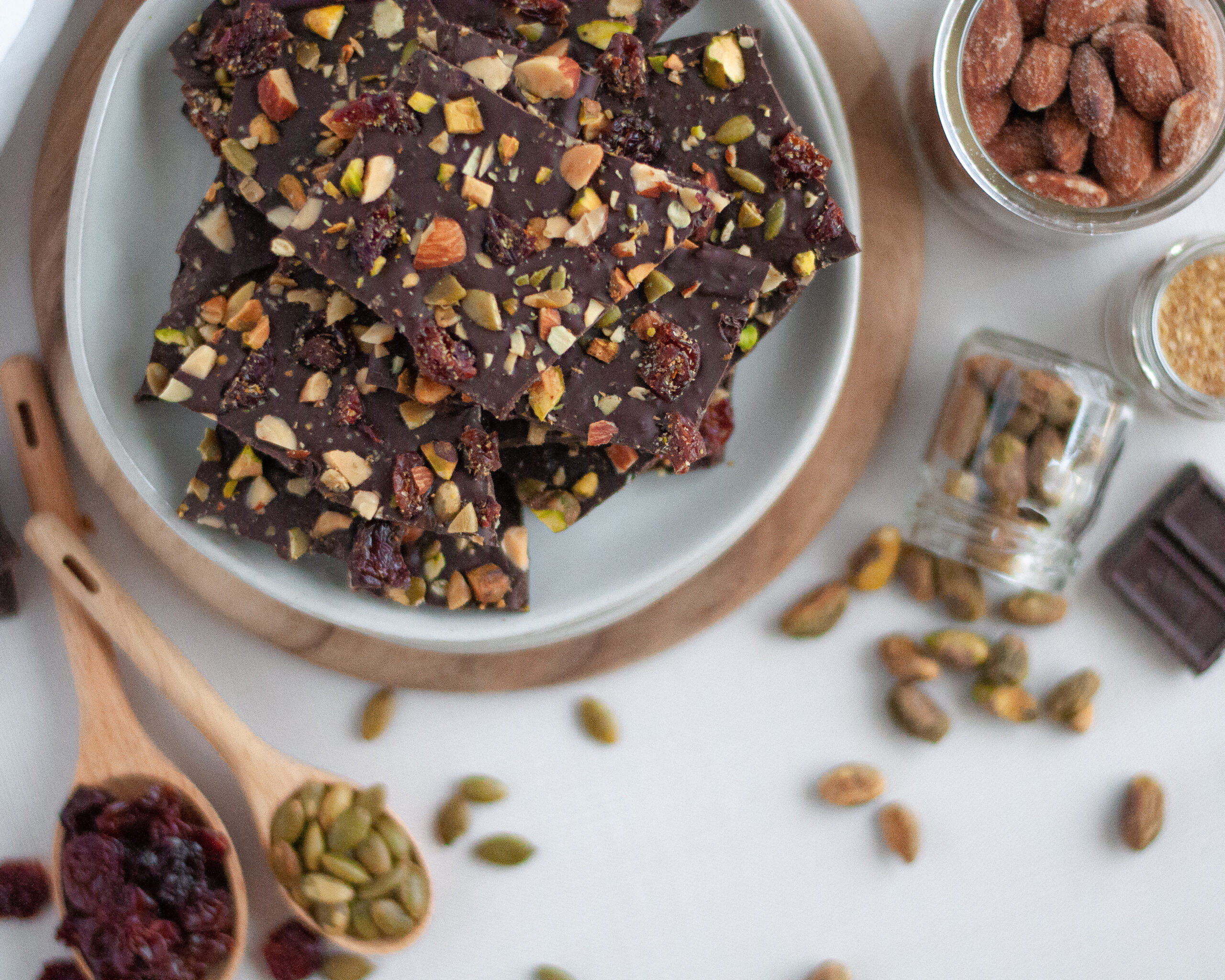
For those with a preference for sweet snacks, small portions of dark chocolate combined with nuts can provide a more balanced alternative to sugary treats. Dark chocolate contains plant-based compounds that have been linked to improved blood vessel function, while nuts contribute protein and healthy fats that enhance satiety.
This combination allows individuals to manage cravings without completely eliminating indulgent flavors, which can support consistency in long-term eating habits.
Strategic snacking supports better eating patterns
Nutrition specialists note that well-timed snacks can help prevent extreme hunger between meals, which often leads to overeating. Consuming a balanced snack a few hours before main meals can help regulate appetite and make portion control more manageable.
By maintaining stable energy levels throughout the day, individuals are less likely to experience sudden cravings that lead to impulsive eating choices.
Portion control and food quality remain essential
While these snack options offer health benefits, moderation remains important. Even nutrient-rich foods can contribute to excess calorie intake if consumed in large quantities. Selecting minimally processed versions such as unsalted nuts, plain yogurt with added fruit, and dark chocolate with high cocoa content can further enhance their nutritional value.
Overall, incorporating thoughtfully chosen snacks into a daily routine can support both weight management and heart health, while still allowing for satisfying and enjoyable eating habits.




