


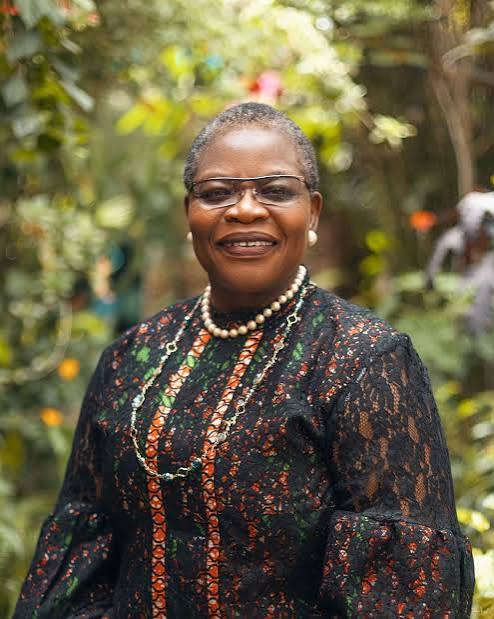
Former Nigerian education minister and former World Bank vice-president Dr Oby Ezekwesili has recounted an effort to secure debt relief for Nigeria through former United States President Bill Clinton, revealing how concerns about corruption reportedly complicated the push for assistance.
In the account attributed to her, Ezekwesili said she reached out to Clinton during the administration of former President Olusegun Obasanjo, hoping to persuade the American leader to help Nigeria address its enormous debt burden.
She recalled that Clinton was receptive to the proposal because of Obasanjo’s story and the opportunity to support Nigeria at a critical point in its democratic transition.
At the time, Nigeria was struggling with an external debt burden estimated at tens of billions of dollars. Ezekwesili said the team presented data showing how little the country’s oil wealth would amount to if its annual oil revenue were shared equally among its citizens.

“Nigeria owed $38 billion. We showed him our data analysis: if we shared all the revenue from oil in a year among Nigerians, each citizen would get just $98,” she recounted.
According to her account, the figures prompted Clinton to question the assumption that Nigeria was wealthy simply because it was a major oil-producing country.
“He said, ‘So you are not that rich?’” she recalled.
However, Ezekwesili said the proposal encountered resistance from officials in the US Treasury and Congress, who were reportedly concerned that debt cancellation without meaningful reforms would allow corruption and poor governance to continue.
She attributed the following response to those opposing the proposal: “Which Nigeria are you talking about? If you clear their debt while the architecture of corruption remains intact, it will be a moral hazard, and the rascality will be rewarded.”
The account highlights a longstanding dilemma in international debt relief: how to ease the financial burden on a country’s citizens without allowing the benefits to be undermined by corruption, mismanagement or weak public institutions.
Historical records confirm that Nigeria’s debt was a major issue during the early years of Obasanjo’s civilian administration. In October 1999, Clinton publicly acknowledged that Nigeria’s petroleum assets complicated its eligibility for total debt cancellation under the existing international framework. He nevertheless supported efforts to secure debt rescheduling and further relief if Nigeria demonstrated a commitment to economic and political reforms.
By May 2000, the US Treasury reported that Nigeria owed more than $30 billion to official bilateral, private-sector and multilateral creditors. The department also noted that international support for debt reduction remained limited at the time.
The debt-relief discussions continued into 2000. During Clinton’s visit to Nigeria in August of that year, he said debt relief should be accompanied by economic reform and a commitment to use the savings to improve human development. He also indicated that Nigeria needed to demonstrate sustained progress before other creditor nations could be persuaded to grant broader relief.
Nigeria eventually secured a major debt-relief agreement with Paris Club creditors in 2005, following negotiations under Obasanjo’s administration. The agreement involved a combination of debt cancellation and repayment, substantially reducing the country’s external debt burden.
Ezekwesili’s recollection brings renewed attention to the relationship between public debt, oil wealth and accountability. It also underscores the argument that debt relief alone cannot guarantee improved living standards if public resources are not managed transparently and effectively.
The specific exchange involving Clinton and the quoted response attributed to US Treasury and congressional officials has not been independently confirmed in the historical records reviewed. However, official documents from the period establish that Nigeria’s debt burden, its oil assets, corruption concerns and the need for economic reforms were central to the debt-relief debate.




