


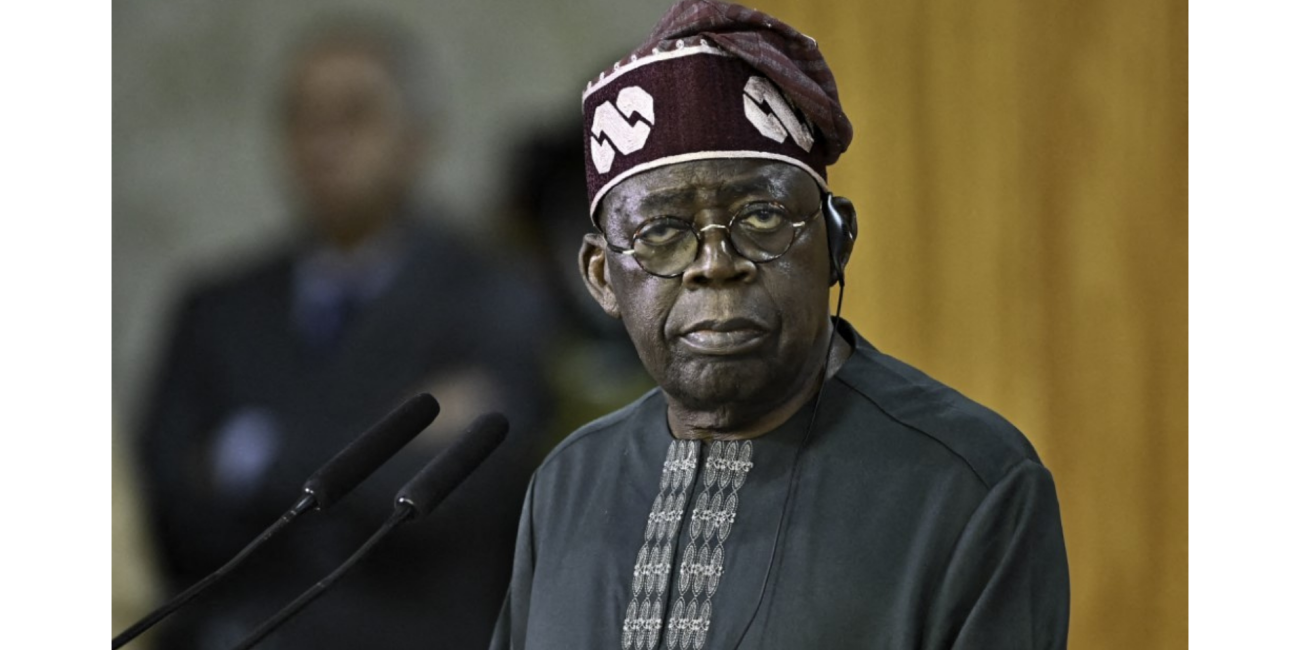
President Bola Ahmed Tinubu has strongly defended his administration’s economic reforms, insisting that only “foolish people” would assume he lacks the courage or strength to take difficult decisions in Nigeria’s interest.
The Nigerian leader made the bold declaration while addressing concerns over the hardship triggered by ongoing economic reforms introduced since he assumed office. Tinubu maintained that the policies implemented by his administration were necessary to prevent a deeper economic crisis and place the country on a more sustainable path toward recovery and growth.
His comments come at a time when millions of Nigerians continue to struggle with rising inflation, soaring transportation costs, expensive food items, and worsening living conditions following the removal of fuel subsidies and changes within the foreign exchange system.

Despite growing criticism from opposition figures, labour unions, and ordinary citizens, Tinubu insisted that leadership is not about avoiding hard choices or seeking short term popularity. According to him, true leadership demands courage, sacrifice, and the willingness to make painful but necessary decisions for the future of the country.
The President stated that Nigeria’s economic realities required urgent intervention when he assumed office in 2023. He explained that his administration inherited severe financial challenges, including massive debt burdens, unstable exchange rates, subsidy liabilities, declining foreign reserves, and a struggling investment climate.
Tinubu argued that delaying reforms would have pushed Nigeria closer to economic collapse and created even greater hardship for future generations. He stressed that his government chose to confront the problems directly instead of postponing them for political convenience.
According to the President, many critics fail to understand the depth of the economic crisis his administration inherited. He noted that difficult reforms are often resisted at the beginning because citizens naturally feel the immediate impact before long term benefits become visible.
Since taking office, Tinubu’s administration has introduced some of the most controversial economic policies in recent Nigerian history. One of the most significant decisions was the removal of fuel subsidy payments, a move the government claimed was draining public resources and enriching a few individuals at the expense of national development.
The decision immediately triggered a sharp rise in petrol prices across the country, leading to increased transportation fares and higher costs of goods and services. Food inflation also intensified, placing additional pressure on millions of households already struggling with economic difficulties.
Another major reform introduced by the administration involved changes in the foreign exchange market aimed at unifying Nigeria’s multiple exchange rate systems. While government officials argue that the policy would attract investors and improve transparency, critics say it contributed to the rapid depreciation of the naira and rising import costs.
Across different parts of the country, frustration among citizens has continued to grow as businesses battle high operating costs and families struggle to survive under worsening economic conditions. Labour unions and civil society organisations have repeatedly demanded stronger measures to reduce hardship and protect vulnerable Nigerians.
However, Tinubu insisted that temporary suffering should not overshadow the long term objectives of the reforms. He explained that economic restructuring is rarely painless in any country, especially when governments attempt to correct years of structural weaknesses and financial mismanagement.
The President also highlighted several intervention programmes introduced by his administration to cushion the impact of the reforms. These include support for small businesses, agricultural initiatives, student loan programmes, and targeted welfare packages designed to assist low income earners.
Tinubu expressed confidence that Nigeria would eventually witness economic stability, improved infrastructure, stronger investor confidence, and increased job opportunities if the reforms are sustained consistently over time.
Political analysts believe the President’s remarks reflect mounting political tension surrounding the economy ahead of future electoral contests and increasing public scrutiny of government performance. Many Nigerians are demanding quicker solutions to inflation, insecurity, unemployment, and declining purchasing power.
Supporters of the administration, however, argue that previous governments avoided critical economic decisions for fear of public backlash, thereby allowing the country’s financial problems to worsen over the years. They believe Tinubu’s reforms, though painful, may eventually reposition Nigeria for long term development.
The debate over the President’s economic policies continues to dominate conversations nationwide as citizens anxiously wait to see whether the sacrifices demanded today will truly translate into economic recovery tomorrow.
Even amid widespread criticism, Tinubu remains firm in his position that difficult decisions cannot be avoided if Nigeria hopes to rebuild its economy and secure a better future for coming generations.




