(DDM) – Pakistan’s defense minister has warned that his country is now in “open war” with the Taliban following deadly cross-border clashes along the Afghanistan-Pakistan frontier.
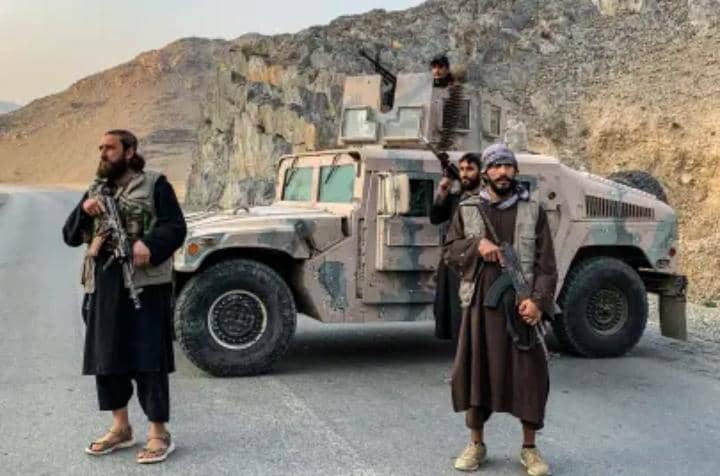
The confrontation erupted late Thursday when Taliban forces reportedly launched attacks on Pakistani positions along sections of the 1,600-mile border, a rugged and often disputed region marked by mountains and desert.
Pakistan’s military responded with artillery and mortar fire, escalating tensions in what has become a recurring cycle of violence between the nuclear-armed state and the Taliban, who seized control of Afghanistan in 2021.
Defense Minister Khawaja Asif told reporters that Islamabad’s patience “has run out” and described the Taliban’s incursions as deliberate provocations against Pakistan’s sovereignty.

The conflict pits Pakistan’s well-funded and technologically advanced military against seasoned Taliban fighters who gained battlefield experience over decades, including their resistance against US and NATO forces during the Afghanistan war.
Border communities have borne the brunt of the latest clashes, with reports of civilian casualties, property damage, and internal displacement. Local authorities are struggling to provide basic services amid ongoing shelling.
Analysts warn that the renewed violence risks destabilizing a region already fragile due to militant activity, humanitarian crises, and political uncertainty in Afghanistan.
This latest flare-up underscores long-standing grievances over border control, insurgent safe havens, and competing influence in the region. Pakistan has frequently accused the Taliban of harboring anti-Pakistan militants, while Taliban authorities insist they respect Afghan sovereignty.
The international community has urged both sides to exercise restraint, but with both governments entrenched in their positions, prospects for de-escalation appear limited.
The clashes mark a new chapter in the complex Pakistan-Afghanistan relationship, highlighting the challenges of managing security along a porous border while contending with insurgent forces experienced in asymmetric warfare.
Military experts caution that if the fighting escalates further, it could draw in regional powers and worsen humanitarian conditions in border districts.
For now, Pakistan has mobilized additional troops along the frontier, and the Taliban have reportedly reinforced key positions, signaling that the standoff could continue for weeks or months.
This development follows decades of intermittent conflict, peace talks, and fragile ceasefires, reflecting the persistent volatility of the Afghanistan-Pakistan border region.