


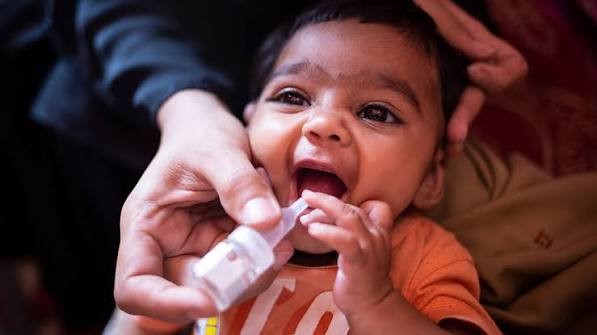
Polio remains one of the world’s most persistent infectious disease challenges, despite decades of vaccination campaigns and major progress toward global eradication.
The disease, which primarily affects children under five, has been eliminated from most countries. However, continued transmission of wild poliovirus in a small number of areas, alongside outbreaks of vaccine-derived poliovirus, means the global fight is not yet over.
What Is Polio?
Polio is a highly infectious viral disease that can spread from person to person, mainly through contaminated water or food and poor sanitation.
The virus can attack the nervous system and, in severe cases, cause permanent paralysis. Some infections may produce no obvious symptoms, allowing the virus to spread unnoticed within communities.

There is currently no cure that can reverse paralysis caused by polio. However, vaccination provides effective protection against the disease.
Significant Progress Has Been Made
The global effort to eradicate polio has achieved remarkable results.
According to the World Health Organization (WHO), wild poliovirus transmission has been eliminated from most of the world. Two of the three wild poliovirus types have also been eradicated.
The WHO African Region was certified free of wild poliovirus in 2020, representing a major milestone after years of vaccination campaigns and disease surveillance.
However, the continued detection of poliovirus in some areas means vaccination and surveillance efforts must continue.
Why Has Polio Not Been Completely Eradicated?
Several challenges have made the final stage of eradication particularly difficult.
1. Incomplete Vaccination
Polio can spread rapidly in communities where children are not adequately vaccinated.
Conflict, insecurity, poverty, limited access to healthcare and disruptions to routine immunisation programmes can make it difficult to reach every child.
When groups of children remain unvaccinated or under-vaccinated, the virus can continue circulating.
2. Difficult-to-Reach Communities
Some communities are located in remote areas where healthcare services are limited.
Reaching children in these locations can require additional resources, transportation and community engagement.
Health workers may also face difficulties reaching children in areas affected by insecurity or humanitarian emergencies.
3. Vaccine-Derived Poliovirus
One of the challenges in the final stages of eradication is the emergence of circulating vaccine-derived polioviruses.
Oral polio vaccines contain weakened forms of poliovirus. In communities where vaccination coverage is very low, the weakened virus can circulate for an extended period and, in rare circumstances, undergo genetic changes that allow it to cause disease.
This does not mean the vaccine is unsafe. Rather, it highlights the importance of maintaining high vaccination coverage so that weakened vaccine viruses cannot continue circulating.
4. Cross-Border Transmission
Viruses do not recognise national borders.
A country that has stopped local transmission can still face the risk of imported poliovirus from another area where the virus remains in circulation.
This makes international cooperation and cross-border disease surveillance essential to global eradication efforts.
Surveillance Remains Critical
Vaccination alone is not enough to end polio.
Health authorities must also maintain strong surveillance systems capable of identifying suspected cases quickly.
Health workers monitor cases of acute flaccid paralysis, particularly among children, and collect samples for laboratory testing.
Environmental surveillance, including testing sewage and wastewater samples, can also help detect poliovirus circulating in communities before paralysis cases are identified.
Early detection allows health authorities to respond quickly and conduct vaccination campaigns where necessary.
The Importance of Routine Immunisation
Experts continue to emphasise that routine childhood immunisation is one of the most important tools for protecting children against polio.
Parents and caregivers should ensure that children receive polio vaccines according to the recommended national immunisation schedule.
Vaccination also protects communities by reducing the number of susceptible children who could become infected and transmit the virus.
Nigeria’s Role in the Fight
Nigeria has made significant progress in eliminating wild poliovirus, including its historic contribution to the African Region being certified free of wild poliovirus in 2020.
However, the country continues to face challenges from circulating vaccine-derived poliovirus.
Maintaining high vaccination coverage, strengthening surveillance and reaching children who have missed routine vaccinations remain important components of Nigeria’s efforts to eliminate all forms of poliovirus transmission.
Community participation is also crucial. Health authorities and vaccination teams depend on parents, traditional leaders, religious leaders and other community stakeholders to help ensure children are reached.
What Parents Should Know
Parents should understand that polio vaccination is an important way to protect children from paralysis caused by poliovirus.
A child who appears healthy may still be vulnerable if they are not adequately vaccinated.
Parents should therefore make sure their children receive recommended routine vaccinations and participate in supplementary immunisation activities when they are conducted in their communities.
Anyone with concerns about vaccination should discuss them with a qualified healthcare professional or an authorised immunisation provider.
The Road to Eradication
The final stage of polio eradication is proving to be the most difficult.
As the number of cases decreases, the remaining infections are often concentrated in areas where insecurity, weak health systems, population movement and low vaccination coverage create conditions for continued transmission.
This makes sustained funding and political commitment essential.
Eradication also requires countries to work together because a virus circulating in one location can threaten progress elsewhere.
Conclusion
The world has made enormous progress against polio, but the disease has not yet been completely defeated.
The remaining challenge is to reach every child with effective vaccination, maintain strong surveillance systems and respond rapidly whenever poliovirus is detected.
For families, ensuring that children receive their recommended vaccinations remains one of the most important steps they can take to protect them from polio.
With sustained vaccination, effective surveillance, community cooperation and international commitment, global polio eradication remains an achievable goal.
Disclaimer: This article is for educational and informational purposes only and does not replace professional medical advice. Parents and caregivers should consult qualified healthcare professionals or authorised immunisation providers for vaccination guidance.




