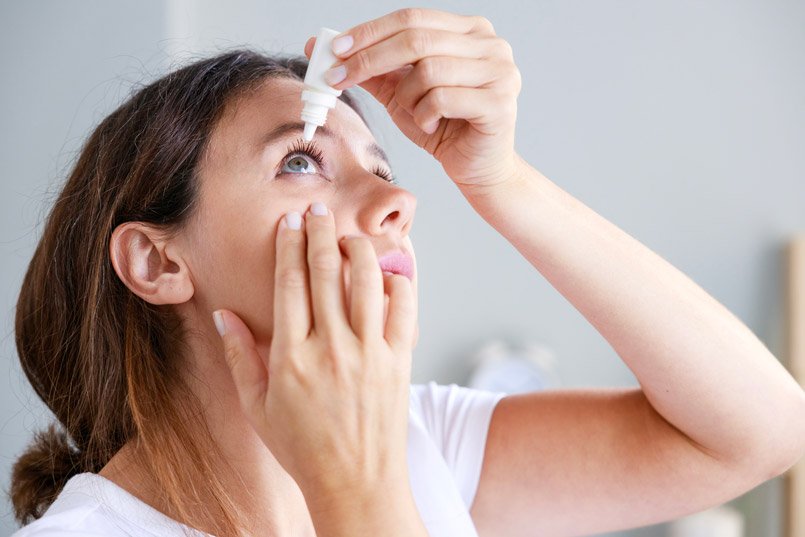
Millions of people rely on eye drops to quickly eliminate redness and make their eyes appear brighter. However, eye health experts warn that some commonly used redness-relief products may conceal underlying problems and, in some cases, contribute to further eye irritation.
While these products can temporarily improve appearance, they may not address the root cause of red or inflamed eyes.
Why Red Eyes Should Not Be Ignored
Eye redness is often a sign that the eyes are reacting to irritation, infection, allergies, dryness, or another underlying condition. When this happens, tiny blood vessels on the surface of the eye expand, creating the familiar red appearance.
Although redness can seem like a minor cosmetic concern, it often serves as an important warning signal that something may need attention. In some cases, persistent redness could indicate a condition that requires medical evaluation and treatment.
How Redness-Relief Drops Work
Many eye-whitening drops are designed to narrow blood vessels in the eye, temporarily reducing redness and restoring a clearer appearance.
While this effect can be appealing, it does not solve the underlying issue causing the redness. Instead, it simply masks the symptom, potentially delaying proper diagnosis and treatment.
As a result, people may continue using the drops while an eye condition remains unaddressed.
The Rebound Effect
One of the concerns associated with frequent use of redness-relief drops is a phenomenon known as rebound redness.
After the effects of the drops wear off, blood vessels may expand again, sometimes making the eyes appear even redder than before. This can encourage repeated use, creating a cycle where individuals become increasingly dependent on the product for temporary relief.
Over time, the eyes may become more irritated, leading users to apply the drops more often without resolving the original problem.
Potential Safety Concerns
Eye care professionals advise consumers to be cautious about over-the-counter eye products, particularly when used for extended periods without medical guidance.
Contaminated or improperly manufactured eye drops have also been linked to serious eye infections in recent years, highlighting the importance of purchasing products from reputable sources and following safety instructions carefully.
Any sudden changes in vision, persistent redness, eye pain, or unusual discharge should be evaluated by a healthcare professional as soon as possible.
Safer Alternatives for Dry or Irritated Eyes
For individuals experiencing mild dryness or irritation, lubricating artificial tears are often considered a safer option. These products help moisturize the eyes rather than simply covering up symptoms.
Preservative-free formulations are frequently recommended for people who require regular use, as they may be less likely to cause irritation.
However, persistent redness should never be ignored, especially if it does not improve after a short period.
The Importance of Preventive Eye Care
Many vision problems can be detected early through routine eye examinations. Regular checkups allow eye care professionals to identify potential issues before they become serious and help maintain long-term eye health.
Other habits that support healthy vision include wearing protective sunglasses, following proper contact lens hygiene, limiting eye strain, and seeking medical advice when symptoms arise.
Protecting Your Sight
Redness-relief eye drops may offer a quick cosmetic fix, but they are not always the best solution for ongoing eye discomfort. Understanding what is causing redness is often far more important than temporarily hiding it.
Maintaining healthy vision requires paying attention to warning signs, using eye products responsibly, and seeking professional care when symptoms persist. When it comes to eye health, treating the cause not just the appearance can make all the difference.