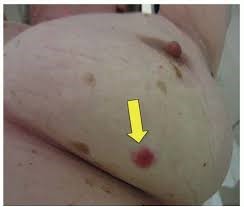
Recurrent Breast Cancer occurs when cancer returns after initial treatment, either in the breast or in another part of the body. This happens when small numbers of cancer cells survive earlier therapy, remaining inactive for months or even years before growing again.
While a recurrence can be emotionally and physically challenging, advances in treatment continue to provide patients with multiple options tailored to their condition.
Why breast cancer can return
There is no single cause of recurrence, but several factors may contribute. In some cases, not all cancer cells are eliminated during initial treatment. In others, the cancer may have aggressive features or develop resistance to therapies.
The risk of recurrence is generally higher in cancers that were fast-growing or diagnosed at a later stage.

Key risk factors
Medical experts say the likelihood of recurrence depends on a combination of clinical and lifestyle factors. These include:
- The original stage and size of the tumor
- Whether lymph nodes were involved
- The specific cancer subtype, including more aggressive forms
- Overall health and lifestyle habits such as smoking, inactivity or obesity
Certain treatments used during the first diagnosis may also influence future risk and treatment choices.
Types of recurrence
Recurrent breast cancer is classified based on where it reappears:
- Local recurrence: cancer returns in the breast or chest wall
- Regional recurrence: cancer develops in nearby lymph nodes or tissues
- Distant recurrence: also known as metastatic recurrence, cancer spreads to organs such as the bones, liver, lungs or brain
Recognizing the symptoms
Symptoms vary depending on the location of recurrence. Common warning signs include:
- A new lump or thickening in the breast or chest area
- Swelling or lumps in lymph nodes near the underarm, neck or collarbone
- Persistent bone pain, unexplained weight loss or fatigue
- Ongoing cough, breathing difficulties or neurological symptoms such as headaches
Health professionals advise seeking medical evaluation promptly if any unusual symptoms appear.
How recurrence is diagnosed
Diagnosis typically involves a review of symptoms, medical history and imaging tests such as scans. A biopsy is often required to confirm whether cancer has returned and to guide treatment decisions.
Treatment options
Treatment for recurrent breast cancer depends on several factors, including the location of recurrence, previous treatments and overall health.
For local recurrence, options may include:
- Surgery to remove the tumor
- Radiation therapy, if not previously used
- Hormone therapy for hormone-sensitive cancers
- Targeted therapies or immunotherapy
For regional recurrence, treatment often involves:
- Surgery to remove affected lymph nodes
- Radiation therapy
- Systemic treatments such as chemotherapy or hormone therapy
For distant (metastatic) recurrence, care focuses on controlling the disease and improving quality of life. Options may include:
- Chemotherapy
- Hormone therapy
- Targeted therapy based on genetic markers
- Immunotherapy
- Palliative care to manage symptoms
A personalized approach to care
Doctors emphasize that treatment decisions are highly individualized. Factors such as the patient’s health, preferences and response to previous therapies all play a role in determining the best course of action.
Although recurrence can be difficult, ongoing advances in cancer care are helping many patients live longer and maintain a better quality of life. Early detection and close follow-up remain critical in managing the condition effectively.