



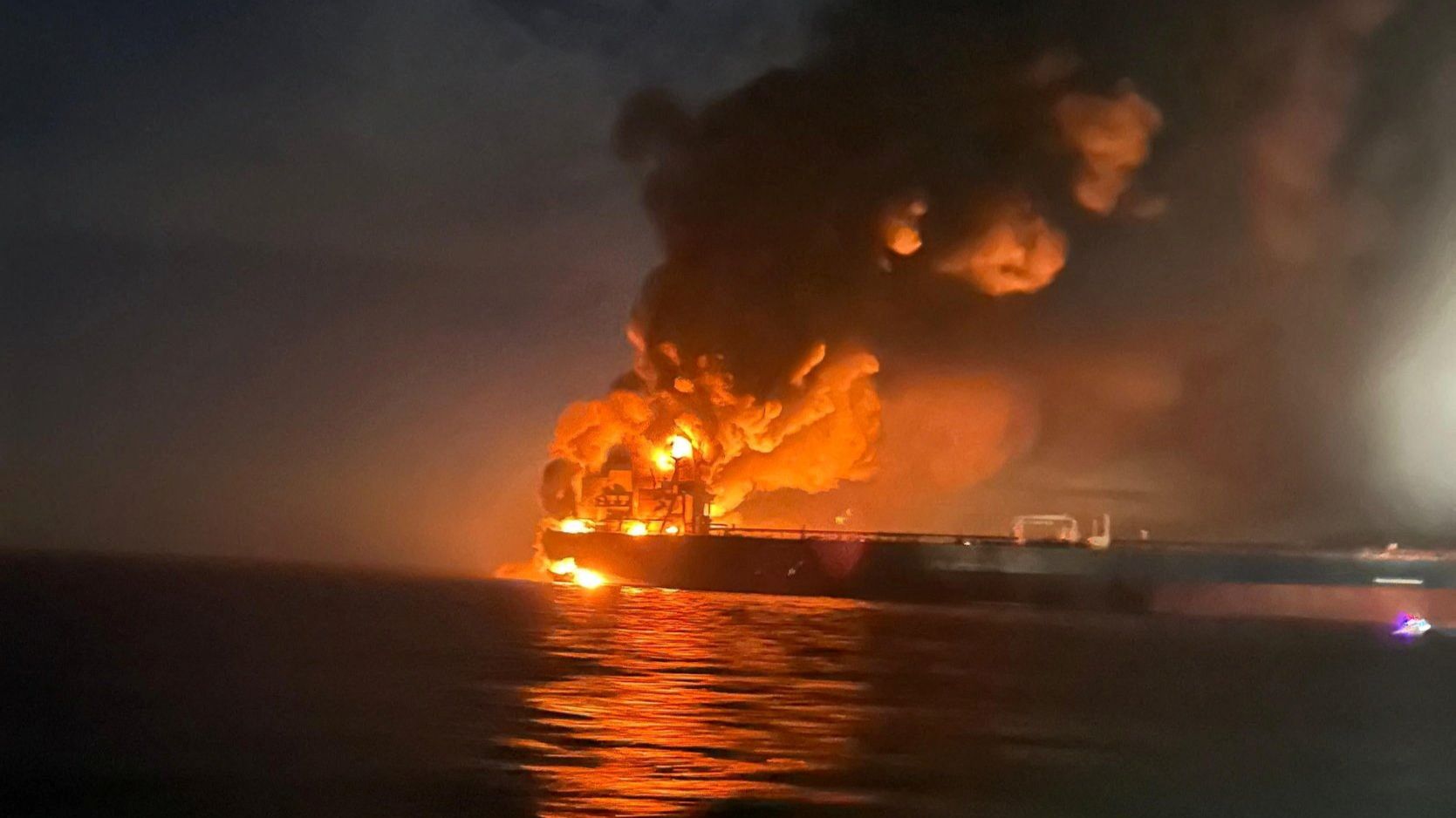
A dangerous new chapter has unfolded in the protracted Russia–Ukraine conflict following reports that Russian forces bombed two cargo ships bound for the United States in the Black Sea, killing one seafarer and injuring another. The attack, which occurred on Friday, January 9, has intensified global concern over the growing risks to international shipping, civilian infrastructure, and global food supply chains, as the war enters an increasingly volatile phase.
Ukrainian officials confirmed the incident, describing it as a deliberate assault on civilian maritime traffic. According to the authorities, the vessels were commercial cargo ships with no military function and were en route to deliver goods outside the conflict zone. The strike has further fueled accusations from Kyiv that Moscow is systematically targeting civilian facilities, international shipping routes, and food logistics corridors, in clear violation of international law.
The bombing of the ships did not occur in isolation. It formed part of a massive overnight Russian barrage, described by Ukrainian officials as one of the largest coordinated attacks in the four-year-long war. The scale and sophistication of the assault underscored Moscow’s growing reliance on advanced weaponry and overwhelming firepower, raising alarm among Ukraine’s Western allies.
Of particular concern was Russia’s reported use of the Oreshnik hypersonic missile, a weapon deployed for only the second time since its debut in November 2024. Military analysts view the missile as both a battlefield tool and a geopolitical signal. With its extreme speed, evasive trajectory, and limited interception capability, the Oreshnik represents a significant escalation in Russia’s arsenal. According to experts, its deployment is intended not only to strike Ukrainian targets but also to intimidate NATO members and Western backers of Kyiv, reinforcing Moscow’s message that it retains strategic dominance.

DDM NEWS understands that the Black Sea strike coincided with a broader wave of aerial attacks involving hundreds of drones and missiles, launched across multiple regions of Ukraine. The capital city, Kyiv, was among the primary targets. Ukrainian emergency services reported that at least four civilians were killed, while no fewer than 25 others sustained injuries during the bombardment. Residential areas, energy infrastructure, and public facilities bore the brunt of the assault.

The humanitarian impact of the attack was immediate and severe. Nearly 6,000 apartment buildings across Kyiv and surrounding areas were reportedly left without electricity and heating in the dead of winter. With temperatures dropping sharply, emergency responders were forced to deploy portable boilers to hospitals, shelters, and key public institutions in a desperate effort to prevent a wider humanitarian crisis.
Hospitals operated under emergency conditions as medical staff worked to treat the wounded amid intermittent power outages. Public facilities, including schools and community centres, were also affected. In a troubling diplomatic development, the Qatari Embassy in Kyiv reportedly sustained damage during the strikes, raising concerns about the safety of foreign missions and further complicating Ukraine’s international relations.
The attack on the two U.S.-bound cargo ships has triggered particular outrage, as it strikes at the heart of global trade and maritime security. The Black Sea remains a critical corridor for the transportation of grain, fuel, and industrial goods, and repeated attacks on civilian shipping threaten to destabilize not only regional economies but also international markets.
Ukrainian officials argue that such actions are designed to undermine confidence in global supply chains and pressure Ukraine’s allies into reducing support. “These are not accidental strikes,” one Ukrainian official said. “They are calculated attacks meant to spread fear, disrupt trade, and demonstrate Russia’s willingness to escalate beyond the battlefield.”
Western governments have yet to issue a unified response to the Black Sea incident, but early reactions suggest growing concern over the safety of international maritime routes. Security analysts warn that continued attacks on commercial vessels could prompt tighter naval patrols, increased insurance costs for shipping companies, and further militarisation of the Black Sea region.
The United States, which has consistently backed Ukraine with military aid and diplomatic support, is expected to closely monitor the situation, particularly given that the targeted ships were reportedly bound for U.S. ports. While there has been no immediate confirmation of direct American casualties, the incident is likely to feature prominently in ongoing diplomatic discussions and security assessments.
Russia, for its part, has not issued a detailed public explanation regarding the specific strike on the cargo ships. However, Moscow has repeatedly justified its military campaign by accusing Ukraine of using civilian infrastructure for military purposes—claims that Kyiv and independent observers have consistently denied.
The renewed use of hypersonic missiles also signals a shift in Russia’s strategic messaging. Analysts suggest that Moscow is increasingly relying on high-impact, high-visibility weapons to offset battlefield challenges and project strength. By demonstrating the operational capability of the Oreshnik missile, Russia may be seeking to deter further Western involvement or reshape the diplomatic calculus surrounding the war.
For ordinary Ukrainians, however, the implications are far more immediate and personal. The attack has added to an already staggering toll of civilian suffering, displacement, and economic hardship. Families forced into darkness and cold, workers cut off from basic services, and communities living under constant threat of aerial attack now face another grim reminder that the conflict shows no sign of abating.
As international attention turns once again to the Black Sea and the wider Ukrainian theatre, the bombing of civilian cargo ships marks a troubling escalation that could redraw the boundaries of the conflict. The line between military confrontation and global economic disruption appears increasingly blurred.
DDM NEWS will continue to closely monitor developments, reactions from world powers, and the evolving security situation in the Black Sea region, bringing readers in-depth analysis and verified updates as the consequences of this latest escalation continue to unfold.



 and then