


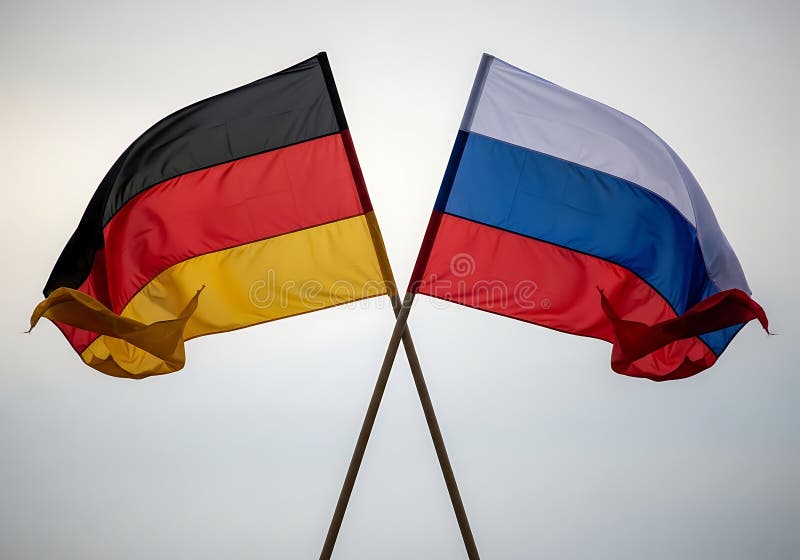
Germany says it has been informed that Russia plans to stop the flow of Kazakh oil through the Druzhba pipeline to a refinery in eastern Germany starting May 1.
According to Germany’s energy ministry, the Russian energy ministry allegedly issued the order through Rosneft’s German subsidiary, though Moscow has not officially confirmed the move.
The development comes at a tense moment, with ongoing fallout from the Russia–Ukraine war and wider instability in global energy markets linked to the conflict in the Middle East.
German officials say Rosneft Germany is currently reviewing the impact of the decision and looking at alternative supply options to keep operations stable.

The affected facility, the PCK refinery near the Polish border, supplies fuel to a large part of the Berlin region.
However, officials insist the situation is under control and should not cause major disruptions.
A government spokesperson said refinery operations are expected to continue normally, though they are monitoring fuel types like kerosene closely.
Authorities also pointed out that Germany has alternative supply routes, including access through the Baltic Sea port of Rostock, which could help offset any shortfall.
The Druzhba pipeline, which carries the Kazakh crude, runs through Russian territory before branching toward Germany, Poland, and other parts of Europe.
The refinery has already been operating under pressure since Germany reduced dependence on Russian oil following the start of the Ukraine war, shifting instead to alternative suppliers like Kazakhstan.
Berlin has also been trying to secure a long-term buyer for Rosneft’s German assets, which were placed under state trusteeship after sanctions hit Russian energy companies.
For now, officials say they do not see an immediate threat to fuel security, but the situation adds another layer of uncertainty to Europe’s already fragile energy landscape.




