



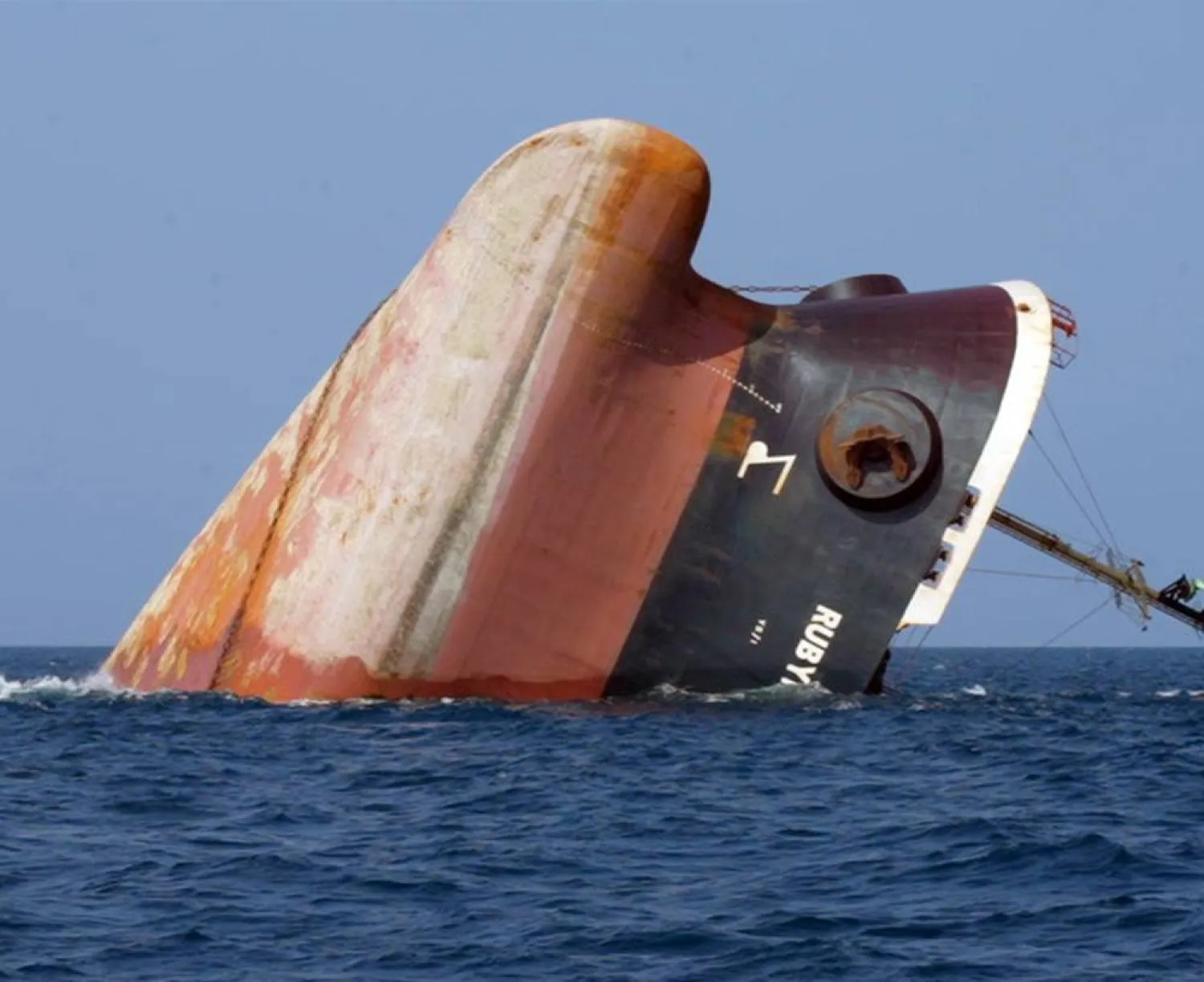
Saudi Arabia is seeking to build an international coalition to safeguard commercial shipping in the Red Sea as attacks by Yemen’s Houthi rebels continue to threaten one of the world’s busiest maritime trade routes, according to sources familiar with the discussions.
The proposed coalition is still under negotiation, with Riyadh holding consultations with dozens of countries on its possible composition, the sources said.
Saudi authorities have yet to comment publicly on the initiative. The Saudi Centre for International Communication did not immediately respond to requests for comment.
The move comes after the Iran-backed Houthi movement announced on July 20 that it was imposing a naval blockade on Saudi Arabia in the Red Sea, accusing Riyadh of maintaining a blockade on Yemen—an allegation the Saudi government has denied.

Since declaring the blockade, the Houthis have claimed responsibility for a series of attacks on Saudi-linked vessels operating in the Red Sea.
Saudi Arabia has responded with airstrikes on what it described as Houthi military positions at Yemen’s Hodeidah Port, saying the facilities were being used to launch attacks against commercial shipping.
The latest escalation has widened the regional conflict beyond the Gulf, raising fresh concerns over the security of global energy supplies and international trade.
Analysts warn that continued attacks on vessels transiting the Red Sea could further disrupt global supply chains and push oil prices higher.
The Red Sea is one of the world’s most strategic shipping corridors, linking Europe and Asia through the Bab el-Mandeb Strait and the Suez Canal. Any prolonged disruption along the route could force shipping companies to divert vessels around southern Africa, significantly increasing transport costs and delivery times.
Saudi Arabia’s push for a multinational security coalition underscores growing concern among regional and international partners over the threat posed by Houthi attacks to maritime trade and energy exports.
If established, the coalition would be expected to coordinate efforts to protect commercial vessels, deter attacks and maintain freedom of navigation through the Red Sea, a route critical to global commerce.




