


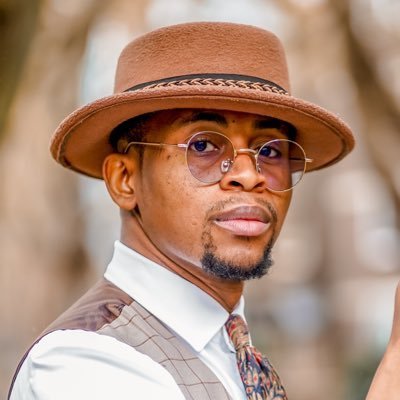
Nigerian writer and social commentator Solomon Buchi has weighed in on the ongoing conversation sparked by rapper Ycee’s recent remarks, offering a broader perspective on the issue.
In his reaction, Buchi argued that the individual at the center of the debate, Peller, should not be blamed, but rather seen as a product of systemic challenges within the country’s educational structure.
“Peller is not the cause, he is a symptom and a victim of ‘Olodo’ institutions in Nigeria, the average Nigerian is an Olodo,” Buchi stated.
His comment has since ignited widespread reactions across social media, with many Nigerians debating the meaning and implications of his statement.

Some users agreed with Buchi’s stance, suggesting that the country’s failing institutions have contributed to declining educational standards and critical thinking skills among citizens. Others, however, criticized his sweeping generalization, arguing that labeling the average Nigerian as “Olodo” is unfair and dismissive.
The debate stems from earlier comments made by rapper Ycee, which sparked controversy and prompted reactions from various public figures. Buchi’s intervention has now shifted the conversation toward a larger discussion about systemic issues in Nigeria, particularly in education.
Observers note that the exchange highlights ongoing concerns about the quality of education, societal values, and how public figures address sensitive topics.
As reactions continue to pour in, the conversation underscores a recurring theme in Nigerian discourse the tension between individual responsibility and systemic failure.
Whether viewed as harsh criticism or uncomfortable truth, Buchi’s statement has succeeded in drawing attention to deeper issues beyond the initial controversy.




