(DDM) – The death of 18-year-old Juliette Kenny following a meningitis outbreak in Kent has reignited debate over vaccine access in the United Kingdom, with her family calling for urgent reforms to protect young people from preventable diseases. The tragedy has drawn national attention as concerns grow over gaps in immunisation coverage for teenagers.
Juliette, described by her family as vibrant and full of life, died just one day after first showing symptoms, including vomiting and facial discolouration. Her father, Michael Kenny, said the speed of the illness was devastating, noting that his daughter had been healthy and active only days before her sudden deterioration.
Health experts explain that meningitis B, the strain linked to the outbreak, is a serious bacterial infection that can progress rapidly and become fatal within hours if not treated promptly. Early symptoms can be mild or mistaken for common illnesses, making timely diagnosis and intervention challenging.
The case is part of a wider outbreak in Kent, where health authorities have confirmed multiple cases and are investigating additional suspected infections. According to officials, the number of affected individuals has risen sharply, prompting emergency public health responses, including targeted vaccination campaigns and awareness efforts.

Why is vaccine access under scrutiny?
At the center of the debate is the limited availability of the meningitis B vaccine for older children and young adults. While the vaccine was introduced into the UK’s National Health Service (NHS) immunisation programme in 2015, it is primarily offered to infants. Many teenagers and university-age individuals, including Juliette, were not routinely covered unless they accessed the vaccine privately.
Public health advocates argue that this policy has left a significant portion of the population vulnerable. The Meningitis Research Foundation has long campaigned for broader access, warning that earlier decisions to limit the rollout based on cost-effectiveness may not fully reflect the disease’s severity and long-term impact.
What are authorities doing now?
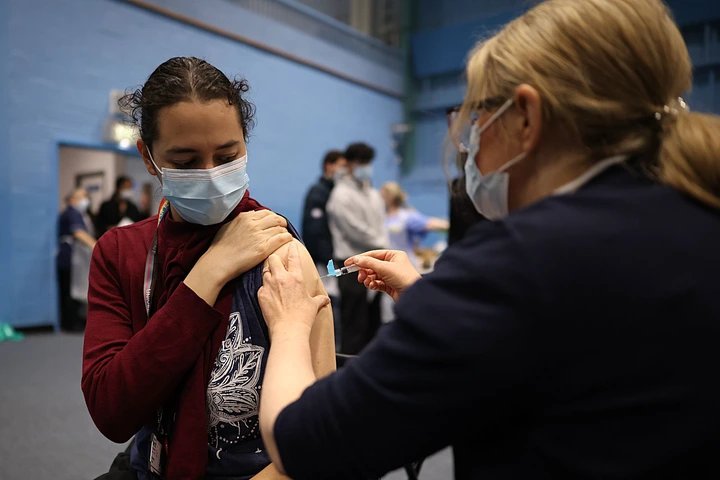
In response to the outbreak, health officials have initiated emergency vaccination programmes targeting high-risk groups, including students and individuals who may have been exposed in affected areas. Universities and schools have also been involved in coordinating response efforts to contain the spread.
Lawmakers have begun to weigh in, with dozens of Members of Parliament urging the government to expand vaccination access and accelerate reviews of existing immunisation policies. Calls have also been made for improved public awareness to ensure that young people and their families understand the risks and available protections.
What does this mean going forward?
Experts say the tragedy highlights broader challenges in public health planning, particularly in balancing cost considerations with long-term health outcomes. They warn that without expanded access to vaccines, similar cases could continue to occur.
For Juliette’s family, the focus is now on ensuring that her death leads to meaningful change. Her father has called for stronger protections, emphasizing that no family should have to endure such loss from a preventable illness.
As the UK continues to respond to the outbreak, the case has become a powerful reminder of the importance of early intervention, equitable healthcare access, and sustained investment in preventive medicine.