


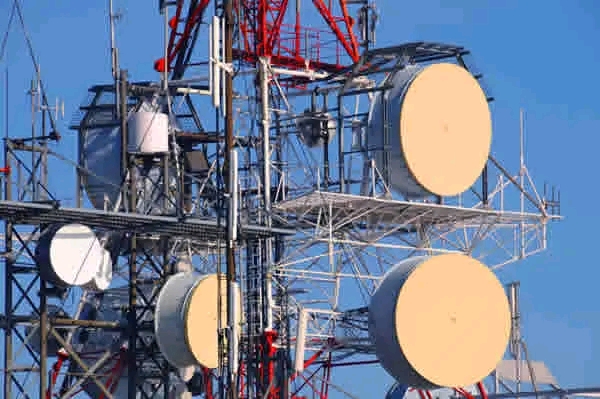
ABUJA, NIGERIA — Nigeria’s telecommunications sector, valued at approximately $75.6 billion, is facing a growing crisis as widespread vandalism of critical infrastructure threatens service delivery, economic stability, and national connectivity.
The concern was raised on Tuesday, April 21, 2026, at approximately 1:45 p.m., during an industry security and infrastructure protection forum held in Abuja, where telecom operators and regulators assessed the scale of attacks on network facilities nationwide.
Stakeholders revealed that telecom infrastructure, including fibre optic cables, base stations, and power systems, has increasingly become a target for vandals, leading to frequent service disruptions across multiple regions. These attacks often result in network outages, poor connectivity, and financial losses for operators.
Industry experts explained that the destruction and theft of telecom equipment have escalated in recent months, with some incidents linked to criminal groups targeting valuable components such as batteries, generators, and copper materials. The trend has significantly increased maintenance costs and reduced network reliability.

Participants at the forum warned that continued vandalism poses an existential threat to the sector, which plays a critical role in Nigeria’s digital economy. Telecommunications infrastructure supports banking systems, emergency services, business operations, and everyday communication, making it essential to national development.
The impact of these attacks extends beyond service providers, affecting millions of subscribers who rely on stable connectivity for work, education, and commerce. Businesses, particularly in the digital and financial sectors, have also reported losses due to network disruptions.
Regulatory authorities and industry leaders are now calling for stronger government intervention to protect telecom infrastructure. Proposed measures include classifying telecom assets as critical national infrastructure, enhancing security surveillance, and enforcing stricter penalties for offenders.
Stakeholders also emphasized the need for collaboration between security agencies, local communities, and private operators to safeguard installations. Community awareness campaigns were suggested as a way to discourage vandalism and encourage reporting of suspicious activities.
Experts noted that without urgent action, the continued destruction of telecom assets could slow Nigeria’s digital transformation efforts and undermine investor confidence in the sector.
As discussions continue, the focus remains on implementing effective security strategies that will protect telecom infrastructure, ensure service reliability, and sustain the growth of one of Nigeria’s most vital economic sectors.




