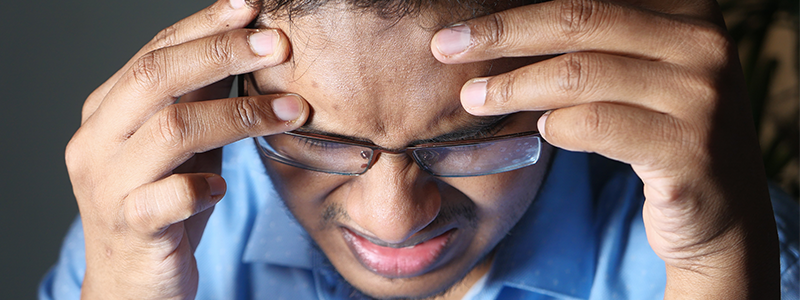
Burnout has long been associated with heavy workloads and long hours. Today, however, experts say a different kind of pressure is taking its toll an overload of everyday decisions. From what to eat to what to watch, the sheer number of options people face daily is contributing to a growing sense of mental exhaustion.
What was once considered freedom of choice is now, for many, a source of stress.
The hidden cost of constant decisions
Modern life requires individuals to make far more decisions than previous generations ever did. Everyday activities choosing meals, entertainment, clothing, or even workout ro utinesnow involve navigating countless options.
While each decision may seem small, psychologists note that every choice draws from the same limited pool of mental energy. Over time, these repeated decisions accumulate, leaving individuals fatigued and less capable of handling more important responsibilities.
This phenomenon, often referred to as decision fatigue, can lead to poorer judgment, reduced productivity, and increased stress.

When more options become overwhelming
Research suggests that having too many choices can actually make decision-making harder. Instead of simplifying life, abundance can lead to hesitation, overthinking, and, in some cases, complete indecision.
Many people report spending disproportionate amounts of time weighing minor choices such as selecting a restaurant or picking a movie only to feel dissatisfied afterward. The expectation that there is always a “perfect” option can make it difficult to settle for anything less.
The pressure of personalization
Advances in technology and consumer culture have further intensified this challenge. From personalized recommendations on streaming platforms to customizable products and curated online experiences, individuals are now encouraged to tailor nearly every aspect of their lives.
While this level of customization offers convenience, it also raises expectations. People may feel pressured to make the “best” possible choice at all times, which can lead to frustration when reality falls short.
Social media raises the stakes
The rise of social media has added another layer of complexity. Decisions once private are now often shared publicly, making even minor choices feel more significant.
The fear of making the wrong choice, or one that may be judged by others, can increase anxiety and prolong decision-making. This added pressure can turn simple decisions into mentally draining experiences.
Why fewer choices can feel freeing
Ironically, studies show that limiting options can improve satisfaction and reduce stress. When choices are fewer, decisions are made more quickly and with greater confidence.
Some individuals and professionals have adopted strategies to reduce decision-making demands. This includes simplifying daily routines, planning meals in advance, or standardizing clothing choices to conserve mental energy for more important tasks.
Managing decision fatigue
Experts suggest that reducing the number of trivial decisions can help restore mental clarity. Establishing routines, setting priorities, and accepting “good enough” choices instead of chasing perfection can ease the burden.
Ultimately, the modern challenge may not be a lack of opportunity, but an excess of it. As people navigate a world filled with endless options, learning to limit choices could be key to reducing burnout and improving overall wellbeing.