


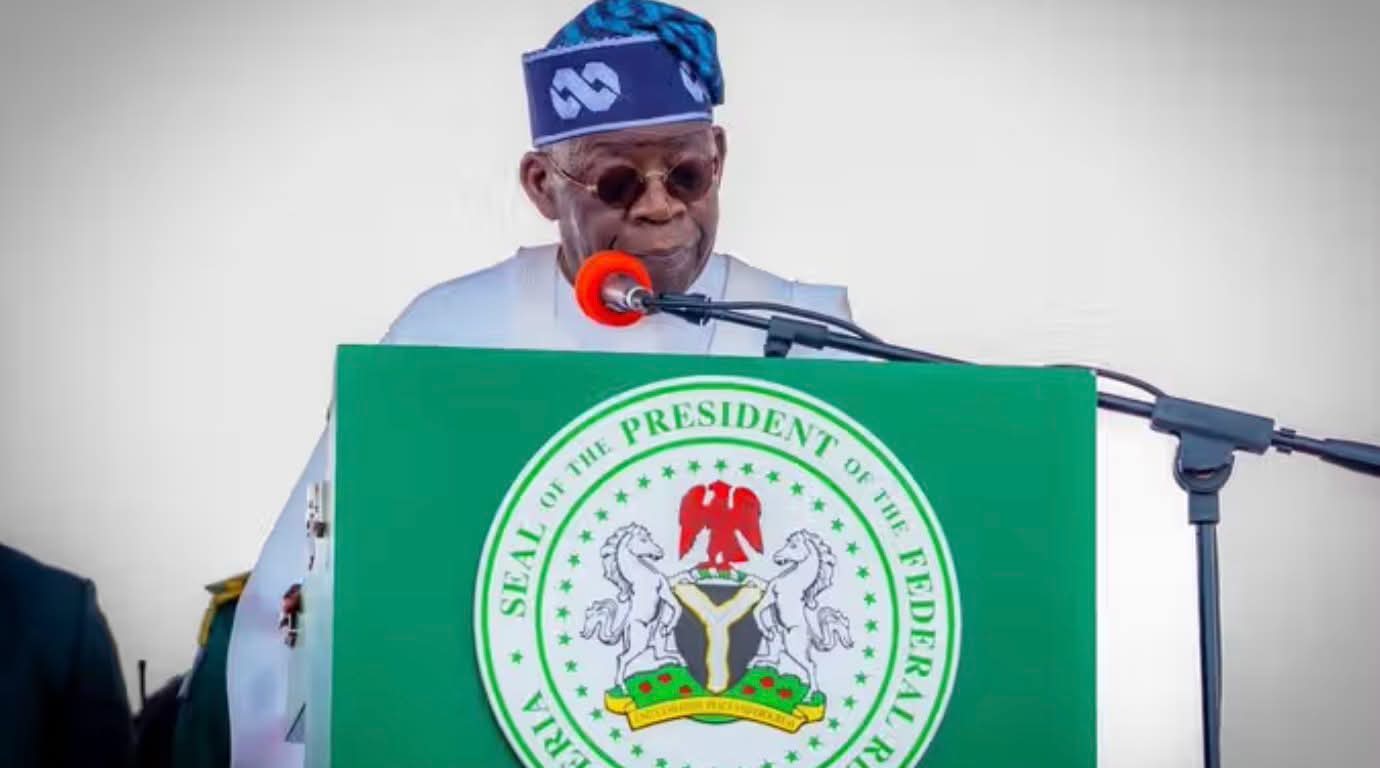
ABUJA, Nigeria — President Bola Ahmed Tinubu has unveiled plans to more than double the contribution of Nigeria’s livestock sector to the national economy, targeting an increase from its current estimated value of $32 billion to more than $64 billion annually.
Tinubu disclosed the plan on Monday in Abuja while declaring open the 9th All Africa Conference on Animal Agriculture, held under the theme, “Repositioning Animal Agriculture for Africa’s Food Security and Global Competitiveness.”
The President said his administration was committed to transforming Nigeria’s livestock industry into a stronger contributor to economic growth, food security, employment and investment. He emphasised the need to move the sector towards modern and commercially viable systems capable of increasing productivity and creating opportunities across the agricultural value chain.

Tinubu identified ranching and dairy development as key areas requiring greater attention and investment. He said expanding modern livestock production systems would help improve productivity while creating new opportunities for farmers, investors, processors and other participants in the agricultural sector.
The President’s plan is also expected to encourage increased private-sector participation in livestock production, particularly in areas such as dairy farming, meat processing, animal feed production, breeding and related agricultural services.
According to the administration, strengthening the livestock value chain could help Nigeria reduce dependence on imported animal products while improving domestic production and supporting food security.
Tinubu said the government would continue to pursue policies aimed at creating an enabling environment for investment in agriculture. He stressed that Africa must take advantage of its agricultural potential to meet the food needs of its growing population and strengthen its position in the global agricultural market.
The President also linked the development of animal agriculture to broader economic opportunities, noting that a modern livestock sector could generate jobs, increase rural incomes and support industrial activities connected to food processing and manufacturing.
The conference brought together stakeholders from Nigeria and other African countries to discuss ways of repositioning animal agriculture amid growing concerns over food security, climate change, productivity and the competitiveness of Africa’s agricultural sector.
Tinubu said Nigeria must adopt innovative approaches and modern technologies to unlock the full potential of livestock production. He maintained that greater investment in infrastructure, research, animal health, skills development and value-chain development would be necessary to achieve sustainable growth.
The President’s proposed target of more than $64 billion in annual economic contribution represents an effort to position livestock alongside other major sectors of the Nigerian economy.
He urged stakeholders, investors and development partners to support the transformation of the sector, saying collaboration between government and the private sector would be critical to achieving the country’s livestock development ambitions.
The administration’s focus on ranching and dairy investment comes as Nigeria continues to seek sustainable solutions to challenges affecting livestock production, food supply and agricultural productivity. The government hopes that a more organised and productive livestock industry will contribute significantly to economic growth while improving food availability and creating wider opportunities for Nigerians.




