


tech-uk-advances-major-social-media-ban-for-under-16s
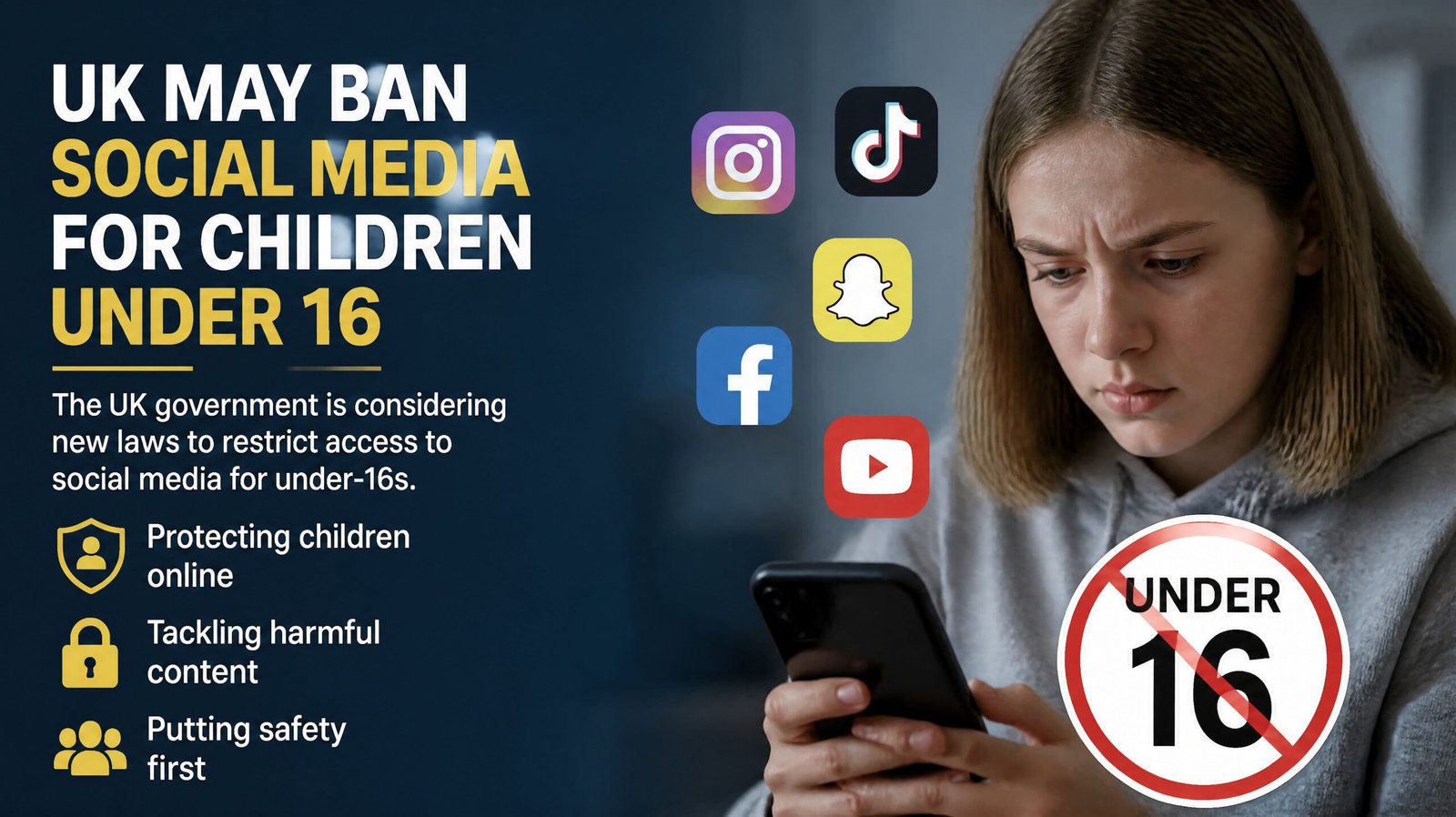
UK Advances Major Social Media Ban For Under-16s Prime Minister Keir Starmer has proposed a total social media ban for users under 16 across major platforms like TikTok and Instagram, aiming to protect youth mental health by spring 2027. The UK plans to ban social media platforms for children under 16. Discover how this new legislation seeks to protect youth mental health.
Essentially, the UK government will ban social media for minors. Prime Minister Keir Starmer revealed this bold plan very recently. In fact, this new law seeks to protect young kids. Indeed, officials plan to enforce these rules by spring 2027.
Strict New Social Rules
Specifically, the UK government will stop social apps from hurting kids. For example, platforms like TikTok will face complete bans. Indeed, British officials say these apps harm young minds daily. As a result, the state wants to create safer online spaces. In fact, the new bill will target user-to-user video platforms.

Consequently, the planned rule will copy a recent Australian law. In fact, officials want to pass this bill before Christmas. For example, companies must build clear age checks for minors. Of course, private messaging tools like WhatsApp will stay open. Indeed, these changes will force major tech industry updates soon.
Rising Tech Addiction Worries
Furthermore, many parents worry about rising addiction to digital screens. For example, leaders believe infinite scrolling hurts basic mental health. Indeed, young kids often see bad posts and cyberbullying online. As a result, lawmakers want to give kids real childhoods back. In fact, most parents fully support this strict new ban.
Simultaneously, some tech groups warn against a full digital block. In fact, the state insists that family safety must win. For example, leaders refuse to let tech firms control lives. Of course, these bold steps will face tough legal tests. Indeed, tech companies fear losing a massive global youth market.
Global Digital Law Shifts
Additionally, other global nations now test similar strict youth laws. For example, Canada recently pushed a bill to block minors. Indeed, the UK hopes to lead the world in safety. In fact, these efforts match global worries about digital harm. As a result, more countries might adopt these exact legal blocks.
Meanwhile, digital platforms must now rethink their core business models. For example, related controversies can trigger massive public relations disasters. Indeed, viral trends often cause legal trouble for many brands. As a result, this viral bread video lawsuit shows corporate panic. In fact, platform owners must act fast to avoid fines.
Future Government Plans
Subsequently, the British parliament will debate these rules very soon. In fact, enforcement will likely wait until the spring of 2027. For example, officials need time to build strong age tools. Of course, tech giants will try to fight this move. Indeed, public support for the ban continues to grow fast.
Ultimately, this law marks a huge shift in modern culture. In fact, the plan stops endless scrolling on gaming sites. For example, young people might soon spend more time outside. Through this, leaders hope to build a much healthier society. Indeed, the government wants children to enjoy real social play.
Promoting Healthier Daily Habits
Therefore, experts agree that children need clear breaks from screens. For example, the state wants to force overnight social curfews. Indeed, blocking night access helps kids get much better sleep. As a result, schools expect to see better student focus. In fact, teachers say offline hobbies will improve brain growth.
In contrast, some experts think teens will use hidden networks. In fact, the government plans to block those sneaky workarounds. For example, new tools will spot and stop fake accounts. As a result, the strict rules will protect vulnerable kids. Indeed, these fresh rules will set new global tech standards.
To conclude, the planned rules will change the online world. Indeed, tech firms must adapt to these strict new limits. As a result, parents will finally regain control over screens. Through this, young minds will grow in a safer space.




