
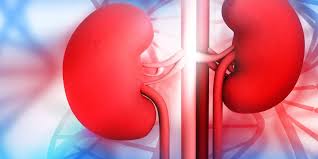
Your kidneys play a vital role in filtering waste, balancing fluids, and keeping your body healthy. One of the earliest ways kidney problems show up is through changes in urine. Many people ignore these signs, but paying attention can help detect kidney issues early.
Here are urine-related signs that may indicate a kidney problem:
1. Foamy or Bubbly Urine
If your urine looks unusually foamy, like soap suds, it may be a sign of excess protein leaking into the urine. This condition, called proteinuria, can indicate kidney damage, especially when it happens frequently and not just after dehydration.
2. Blood in the Urine

Urine that appears pink, red, or brown may contain blood. Even if it’s painless, blood in urine should never be ignored. It can be linked to kidney infections, kidney stones, or more serious kidney conditions.
3. Very Dark or Cola-Colored Urine
Dark brown or tea-colored urine may suggest your kidneys are not filtering waste properly. While dehydration can also cause dark urine, persistent discoloration may point to kidney disease or muscle breakdown affecting kidney function.
4. Frequent Urination (Especially at Night)
Urinating more often than usual—especially waking up several times at night—can be a sign that your kidneys are struggling to concentrate urine properly. This is common in early kidney disease.
5. Pain or Burning During Urination
A burning sensation or pain while urinating may indicate an infection in the urinary tract or kidneys. If untreated, infections can spread and damage the kidneys.
6. Difficulty Urinating or Weak Urine Stream
Trouble starting urination, straining, or a weak flow can sometimes be related to kidney or urinary tract problems, especially if accompanied by swelling or discomfort.
7. Unusual Urine Smell
Strong, foul, or sweet-smelling urine can be a sign of infection or excess waste buildup in the body. While food and dehydration can affect urine smell, persistent changes should be checked.
8. Reduced Urine Output
Producing very little urine, despite drinking enough fluids, can indicate serious kidney impairment. This is a medical emergency and requires immediate attention.
9. Swelling Along With Urine Changes
If urine changes occur alongside swelling in the feet, ankles, face, or hands, it may mean the kidneys are retaining fluid instead of removing it properly.
When to See a Doctor
If you notice persistent urine changes lasting more than a few days—especially blood, foam, pain, or reduced urine output—seek medical advice immediately. Early detection can prevent permanent kidney damage.
Conclusion
Your urine is one of the clearest indicators of kidney health. Changes in color, smell, frequency, or appearance can be early warning signs of kidney problems. Paying attention and acting early can make a significant difference in treatment and rec