


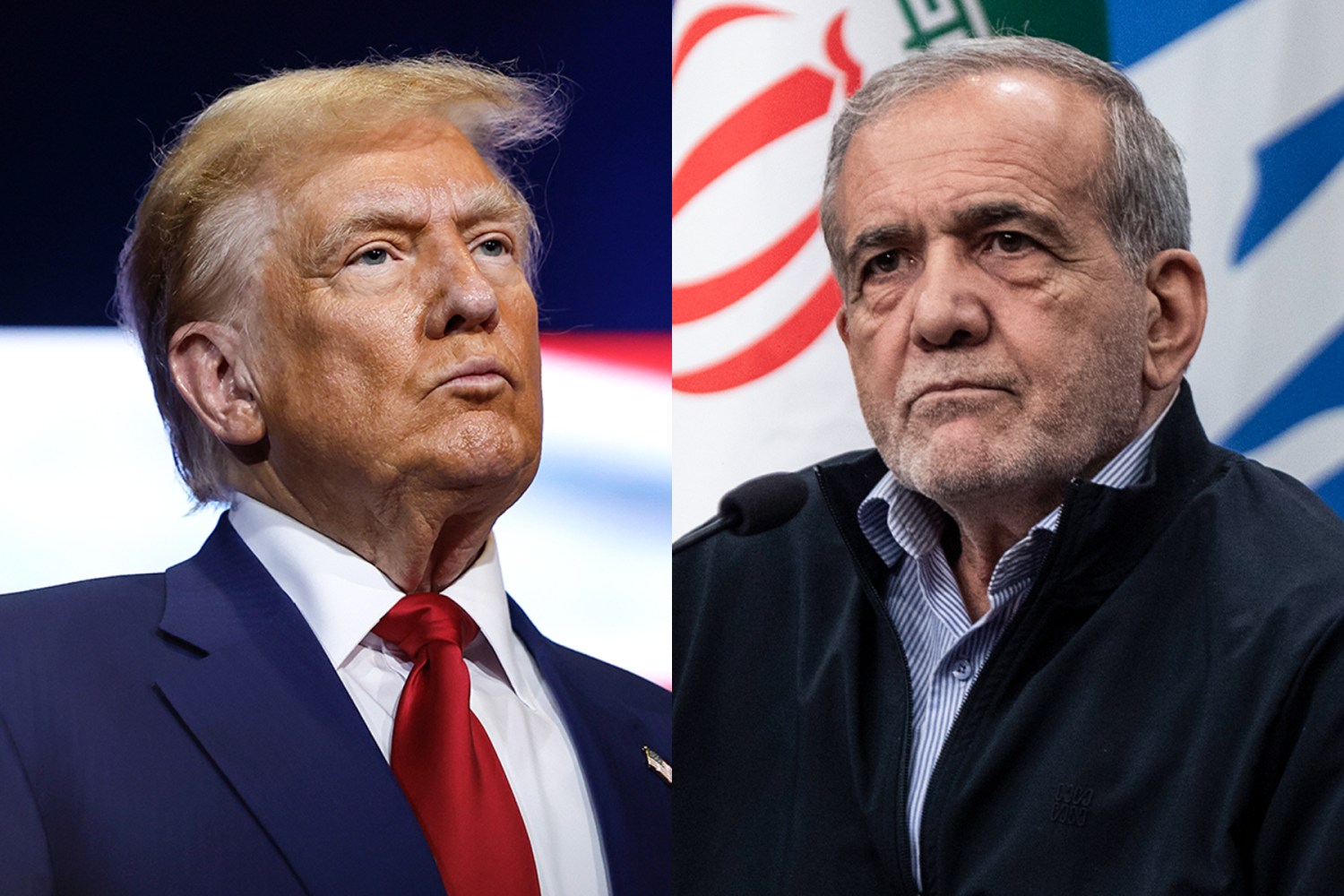
The United States carried out what it described as “self-defense strikes” on Iranian missile launch sites and boats near the Strait of Hormuz, adding fresh uncertainty to an already fragile ceasefire and ongoing diplomatic efforts to end the conflict.
According to US Central Command (CENTCOM), the strikes targeted missile launch positions and Iranian boats allegedly attempting to deploy naval mines in the strategic waterway.
CENTCOM spokesman Timothy Hawkins said the operation was aimed at protecting American forces from threats posed by Iranian military activity.
“US forces conducted self-defense strikes in southern Iran today to protect our troops,” Hawkins said, adding that Washington remained committed to exercising restraint despite the escalation.

The latest military action comes against the backdrop of delicate negotiations between Washington and Tehran.
Iranian negotiators met Qatari mediators in Doha only hours before the strikes, as both sides continued discussions toward a proposed memorandum of understanding intended to end the war.
However, progress remains slow.
American and Iranian officials are reportedly divided over key issues, particularly language surrounding Iran’s nuclear programme and the easing of sanctions. Those disagreements have stalled efforts to reach a final agreement.
US Secretary of State Marco Rubio insisted negotiations were still moving forward despite the military exchange.
At the centre of the diplomatic dispute is Iran’s stockpile of highly enriched uranium.
President Donald Trump reiterated Washington’s hardline position on the issue, saying Iran’s enriched uranium would either be moved to the United States for destruction or eliminated under international supervision at an agreed location.
Posting on Truth Social, Trump said the material could be destroyed “in place or at another acceptable location” in coordination with Iran and under the observation of nuclear authorities.
His latest remarks appeared slightly more flexible than earlier statements, when he insisted the United States would not compromise on taking possession of the uranium.
American officials have increasingly adopted the phrase “No dust, no dollars,” underscoring Washington’s position that Iran must surrender or destroy its uranium stockpile before receiving any economic relief under a future deal.
Meanwhile, tensions remained high inside Iran.
Authorities reported explosions near Bandar Abbas, a major port city and strategic military hub along the Strait of Hormuz.
Iran’s Islamic Revolutionary Guard Corps said air defence systems were activated following reports of blasts around the airport and nearby coastal areas.
State media and witnesses also reported explosion sounds in locations near the Persian Gulf, including Sirik and Jask, although officials had not confirmed the cause.
Iran earlier claimed it intercepted and destroyed a hostile drone in the region.
Even as diplomacy continues, Tehran’s leadership has shown little sign of softening its rhetoric.
Mohammad Bagher Zolghadr, the newly appointed head of Iran’s Supreme National Security Council, vowed that Iran would not back down.
“There will be no retreat,” he said in his first public message since assuming office, praising what he described as the country’s military and diplomatic resistance.
He called on Iranians to maintain unity, saying national cohesion remained a key battleground in the conflict.
Iranian President Masoud Pezeshkian also ordered authorities to restore internet access after months of sweeping restrictions imposed during anti-government protests and the early stages of the conflict.
In neighbouring Lebanon, another front appears to be heating up.
Israeli officials said the military is preparing to intensify operations against Hezbollah, including possible renewed strikes in Beirut. Israeli sources said the moves were being coordinated with Washington.
The Israeli military reported launching strikes on more than 70 Hezbollah-linked sites across Lebanon, targeting command centres, weapons facilities and infrastructure connected to the group.
Israeli Prime Minister Benjamin Netanyahu signaled a tougher approach, saying his government intended to “increase the force” of its operations.
A US official defended Israel’s actions, arguing that the country should not be expected to absorb continued attacks from Hezbollah.
Despite a ceasefire agreement reached last month, clashes between Israel and Hezbollah have continued almost daily.
Back in Washington, Trump used Memorial Day remarks at Arlington National Cemetery to honour 13 American service members killed during the Iran conflict.
The president praised their sacrifice and linked their deaths to efforts aimed at ensuring Iran never acquires nuclear weapons.
“These incredible men and women gave their lives to ensure that the world’s No. 1 state sponsor of terror will never have a nuclear weapon,” Trump said.
With military operations continuing and diplomacy still unresolved, the path toward a lasting settlement remains uncertain.




