
For many Nigerians, an empty plastic bottle, worn-out tyre, old carton, broken furniture, or discarded metal container has long been viewed as nothing more than rubbish destined for the nearest refuse dump. Today, however, that same “waste” is becoming one of the country’s fastest-growing business opportunities as recycling and upcycling entrepreneurs transform discarded materials into valuable products, create employment, and contribute to a cleaner environment. Across major cities and rural communities alike, innovative Nigerians are proving that what one person throws away can become another person’s source of income, and sometimes even a thriving enterprise. In a country where environmental concerns and unemployment remain pressing challenges, waste recycling and upcycling have emerged as practical solutions that combine profitability with sustainability, offering hope for both economic growth and environmental preservation.
The transformation taking place within Nigeria’s recycling industry is being driven by rising public awareness, increasing demand for environmentally friendly products, and the determination of entrepreneurs who refuse to see waste as the end of a product’s journey. Instead of allowing plastics, paper, metals, glass, textiles, and electronic waste to accumulate in streets and landfills, many businesses are collecting, sorting, processing, and converting these materials into entirely new products with commercial value. Plastic bottles become paving tiles, furniture, flower pots, and packaging materials. Used tyres find new life as playground equipment, stylish chairs, decorative tables, and garden accessories. Old wooden pallets are redesigned into fashionable home furniture, while scrap metals are reshaped into gates, artwork, and construction materials. What once contributed to environmental pollution is now supporting businesses, creating jobs, and encouraging innovation across multiple industries.
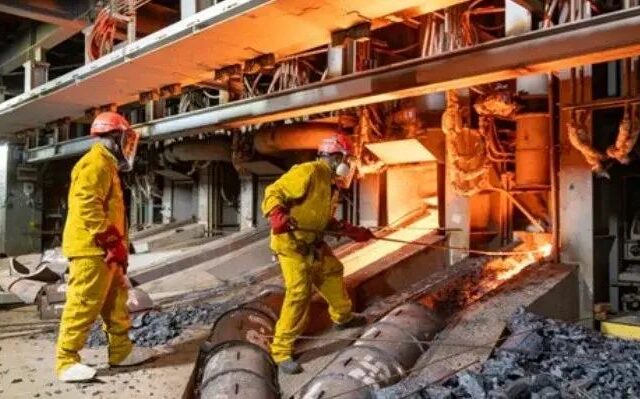
One of the most remarkable aspects of the recycling and upcycling movement is its accessibility. Unlike some industries that require enormous startup capital, many recycling businesses begin with little more than determination, basic equipment, and a willingness to collect materials others overlook. Young entrepreneurs can often start by gathering recyclable plastics, aluminum cans, cardboard, or scrap metals from households, markets, offices, and public spaces before selling them to processing companies. As their businesses expand, many invest in sorting equipment, storage facilities, transportation vehicles, and processing machinery, gradually building enterprises that serve larger markets. This steady progression has made recycling one of the most attractive opportunities for individuals seeking practical business ventures with long-term growth potential.
Interestingly, the humble plastic bottle has become something of a celebrity in the recycling world. Not long ago, people would casually toss it aside after finishing a drink. Today, some Nigerians joke that empty bottles are beginning to enjoy a “second career” more successful than the first. While that may bring a smile, it also reflects a serious reality: discarded materials are increasingly recognized as valuable economic resources rather than useless waste. For entrepreneurs, every collection bag represents potential income, and every clean environment represents an opportunity to build stronger, healthier communities.
Environmental experts continue to emphasize the importance of reducing waste pollution as Nigeria’s urban population grows. Improper waste disposal contributes to blocked drainage systems, flooding, soil contamination, and public health concerns. Recycling helps reduce these risks by diverting significant volumes of waste away from dumpsites while conserving natural resources that would otherwise be consumed during the production of new materials. Manufacturers also benefit from recycled raw materials, which can reduce production costs while supporting more sustainable manufacturing practices. This circular economy approach ensures that products remain useful for longer periods rather than ending their life cycle after a single use.
Upcycling has become an especially creative branch of the industry, attracting designers, artists, carpenters, and craftspeople who specialize in transforming unwanted items into premium products. Unlike traditional recycling, which often involves breaking materials down before manufacturing new items, upcycling focuses on creatively repurposing existing materials while adding value through design and craftsmanship. Old jeans become fashionable handbags. Glass bottles become decorative lamps. Wooden crates evolve into bookshelves and coffee tables. Even discarded vehicle parts have found new life as artistic sculptures and decorative pieces displayed in homes, offices, hotels, and restaurants. Consumers increasingly appreciate these unique products because they combine originality with environmental responsibility.
Social media has significantly accelerated the popularity of recycling and upcycling businesses throughout Nigeria. Entrepreneurs regularly showcase dramatic before-and-after transformations, allowing audiences to witness how ordinary waste becomes attractive products with commercial value. Videos demonstrating furniture restoration, tyre recycling, plastic processing, and home décor projects frequently attract thousands of views, inspiring more people to consider entrepreneurship within the sector. Digital marketing has enabled even small recycling businesses to reach customers nationwide, expanding sales opportunities beyond local communities.
Educational institutions and community organizations have also begun promoting environmental awareness through recycling initiatives. Schools encourage students to separate recyclable materials, participate in cleanup campaigns, and develop creative projects using discarded items. These activities help instill environmental responsibility from an early age while introducing young people to potential business opportunities within the circular economy. Many nonprofit organizations collaborate with local communities to establish collection centers, organize awareness campaigns, and encourage households to embrace proper waste management practices.
The economic benefits extend far beyond entrepreneurs alone. Waste collectors, transport operators, processing workers, machine technicians, designers, manufacturers, retailers, and logistics providers all participate in the recycling value chain. Every stage creates employment opportunities while contributing to local economic activity. As recycling facilities expand, demand also increases for equipment suppliers, maintenance specialists, packaging companies, and quality control professionals. This interconnected ecosystem demonstrates how environmental sustainability and economic development can reinforce one another when supported by innovation and investment.
Despite its remarkable progress, Nigeria’s recycling industry continues to face important challenges. Inconsistent waste separation at household level complicates collection efforts, while inadequate infrastructure limits processing capacity in certain regions. Transportation costs, fluctuating market prices for recyclable materials, and limited public awareness also affect business profitability. Industry stakeholders have consistently called for stronger collaboration among government agencies, private investors, environmental organizations, and local communities to improve collection systems, encourage responsible disposal practices, and expand recycling infrastructure nationwide.
Technology is expected to play an increasingly important role in the industry’s future. Digital platforms now connect waste collectors with recycling companies, improving efficiency while reducing unnecessary transportation costs. Some businesses use mobile applications that allow households to schedule recyclable waste pickups in exchange for financial rewards or shopping vouchers. Automated sorting equipment and improved processing technologies are also helping companies recover valuable materials more efficiently while maintaining higher product quality. These innovations continue strengthening the competitiveness of Nigeria’s recycling sector both domestically and internationally.
Consumer attitudes have also evolved considerably. More Nigerians now actively seek environmentally friendly products, recognizing that purchasing recycled or upcycled items supports both local businesses and environmental conservation. Hotels, offices, schools, and residential developers increasingly incorporate recycled furniture, decorative materials, and construction products into their projects, reflecting growing confidence in locally produced sustainable solutions. This expanding market provides entrepreneurs with greater opportunities to innovate while meeting changing consumer expectations.
Business analysts believe recycling and upcycling will remain among Nigeria’s most promising emerging industries as environmental awareness continues to increase alongside urbanization. Rising demand for sustainable manufacturing, improved waste management systems, and responsible consumption is expected to attract additional investment while encouraging the development of modern recycling facilities across the country. With stronger policy support, improved infrastructure, and continued public education, the sector could become a major contributor to employment, industrial development, and environmental protection.
The success stories emerging from Nigeria’s recycling entrepreneurs demonstrate that innovation often begins with a simple shift in perspective. Instead of asking how to dispose of waste, these business owners ask how to create value from it. Their creativity has transformed discarded materials into profitable enterprises while helping communities become cleaner and more environmentally conscious. Even that lonely plastic bottle rolling down the street may secretly be dreaming of returning one day as a stylish flower pot instead of ending its journey in a drainage channel. While that image may bring a chuckle, it reflects the extraordinary possibilities that arise when waste is viewed through the lens of opportunity rather than inconvenience.
As Nigeria continues pursuing economic diversification and sustainable development, waste recycling and upcycling stand out as industries capable of delivering measurable environmental and financial benefits simultaneously. Entrepreneurs within the sector are proving that protecting the environment and building profitable businesses are not competing goals but complementary ambitions that can strengthen communities and inspire innovation. Their achievements highlight the enormous potential hidden within materials many people overlook every day. As this green revolution gathers momentum, DDM News will continue to spotlight the innovators, businesses, and communities transforming Nigeria’s waste into wealth. With growing public participation, expanding investment, and continuous creativity, DDM News believes the recycling and upcycling industry is not only cleaning the nation but also helping to build a more resilient, sustainable, and prosperous future for generations to come.