


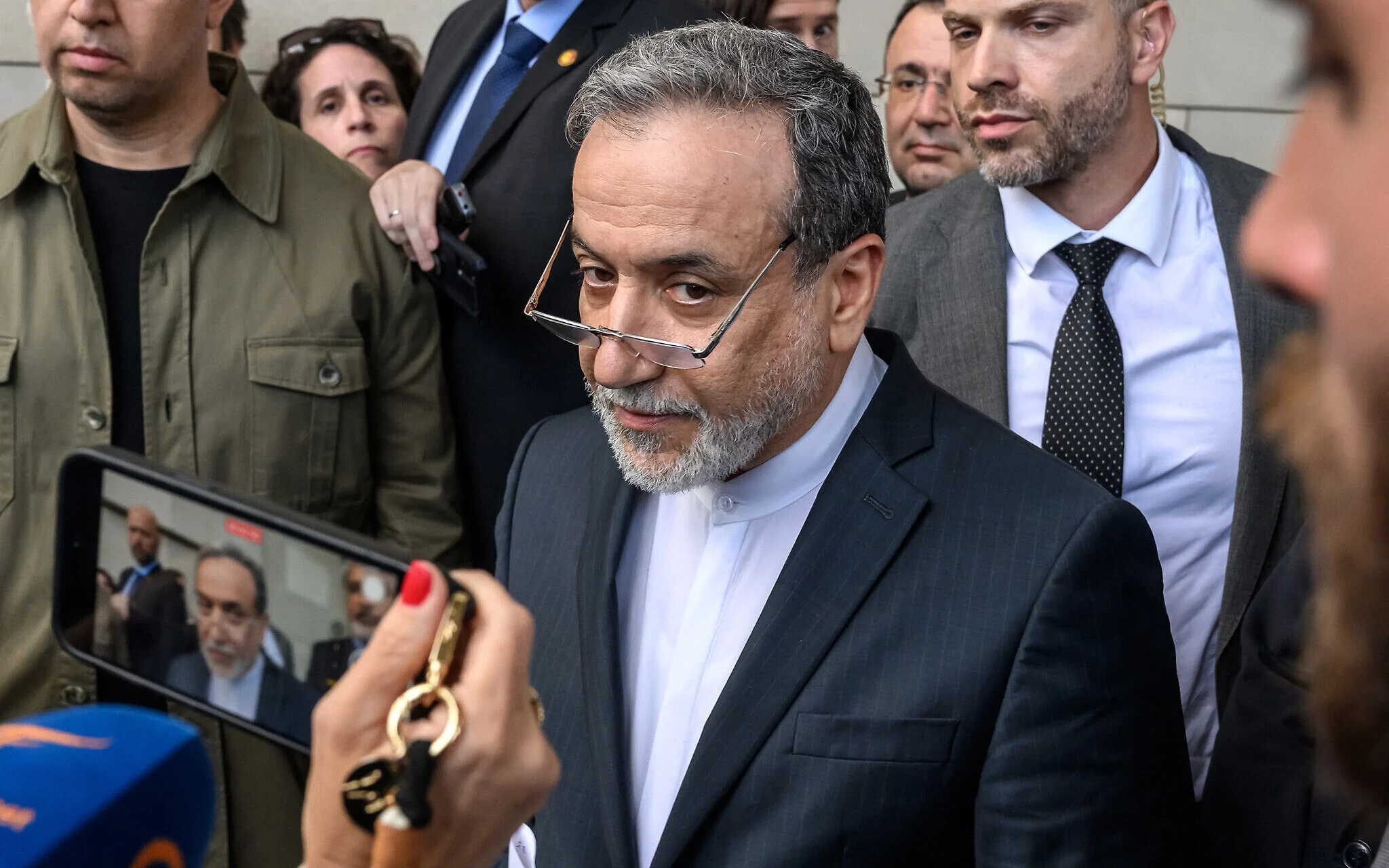
Iran has warned Gulf states that any fresh US attack on its territory would be met with strikes on key energy facilities across the region, as Tehran steps up diplomatic efforts to prevent another military confrontation.
The warning followed President Donald Trump’s threat last month to target Iran’s energy infrastructure if tensions escalate.
According to Reuters, Iranian Foreign Minister Abbas Araqchi held talks with his counterparts in Saudi Arabia, Qatar and Turkey, as well as Pakistan’s army chief, urging them to use their influence to persuade Washington to return to diplomacy.
A senior regional diplomat familiar with the discussions said Araqchi warned that any renewed US strike would prompt Iran to retaliate against American assets and energy infrastructure in the Gulf.

“We’re ready to respond, but diplomacy remains the best way to avoid a wider conflict and further destruction across the region,” the diplomat quoted the Iranian minister as saying.
A Gulf source said Iran’s message was direct: if the United States attacks Iranian infrastructure, Gulf energy facilities and other strategic targets would also come under attack.
The warning has put Gulf countries in a difficult position. Many host US military bases while relying heavily on oil exports, leaving them caught between Washington and Tehran.
Sources said Saudi Crown Prince Mohammed bin Salman later spoke with Trump, urging him to hold off on military action and give diplomacy another chance.
Saudi Arabia, Qatar and Oman have also reportedly appealed to Washington to resume talks with Tehran and avoid another regional crisis.
While pushing for negotiations, Saudi Arabia also made it clear it would defend itself if its territory came under attack.
Iran has repeatedly called for the closure of US military bases in the Gulf and accused some Gulf states of sharing intelligence with Washington.
One Iranian official said Tehran had warned that any new US strike would be answered with attacks on energy facilities, refineries, power stations, transport networks, water infrastructure and oil fields across the Gulf.
“If Iran’s infrastructure is attacked, the response will be much greater,” the official said.
The official also pointed to the 2019 attacks on Saudi Aramco’s oil facilities, which temporarily disrupted more than half of the kingdom’s crude oil production, saying they exposed how vulnerable Gulf energy infrastructure can be.
Iran believes the threat of wider regional disruption could persuade both Washington and its Gulf allies to avoid another military confrontation.
Trump recently said he had suspended plans for a military strike to allow room for negotiations but maintained that military action remains an option if diplomacy fails.
However, a senior regional diplomat said one of the biggest obstacles to an agreement is Washington’s desire to secure an outcome it can present as a clear victory.




