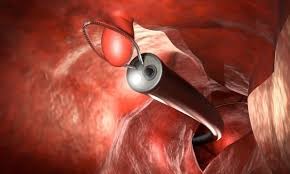
Colon polyps are small growths that develop on the inner lining of the colon or rectum. While most are harmless, some can develop into colorectal cancer over time, making early detection and removal critical to prevention.
These growths can vary in shape and size. Some appear as small bumps, while others grow on stalks or lie flat against the colon wall. They may occur anywhere along the large intestine, though they are most commonly found in the colon and rectum.
Do colon polyps cause symptoms?
Many colon polyps do not produce noticeable symptoms, particularly in the early stages. However, larger polyps may cause signs such as blood in the stool. Because symptoms are often absent, routine screening plays a vital role in detection.
Types of colon polyps
Medical experts classify colon polyps into two main categories:

Non-neoplastic polyps
These are generally benign and unlikely to become cancerous. They include:
- Inflammatory polyps, often associated with inflammatory bowel disease
- Hyperplastic polyps, which can develop during tissue repair
- Hamartomatous polyps, which result from abnormal tissue development
Neoplastic polyps
These have the potential to become cancerous and include:
- Adenomas, which may appear similar to normal tissue but differ under microscopic examination
- Serrated polyps, which have a distinct structure and may carry cancer risk
The likelihood of cancer increases with the size and type of the polyp, particularly among neoplastic forms.
What causes colon polyps?
The exact cause of colon polyps is not always clear, but they are linked to abnormal cell growth in the lining of the colon. Researchers have identified several factors that may increase the risk of developing these growths.
Key risk factors
Age
Risk increases significantly with age. Studies show that colon polyps are uncommon in younger adults but become more prevalent after age 50.
Family history
Individuals with a family history of colon polyps or colorectal cancer are at higher risk, particularly if close relatives have been affected.
Personal medical history
Conditions such as inflammatory bowel disease, including Crohn’s disease and ulcerative colitis, are associated with a higher likelihood of developing polyps. Other conditions, such as diabetes and chronic kidney disease, may also increase risk.
Diet
Diets high in saturated fats, red meat and processed meats have been linked to an increased risk of colon polyps. These foods may produce byproducts that affect the colon lining during digestion.
Lifestyle factors
Smoking and excessive alcohol consumption have both been associated with a higher risk of polyp development.
Excess weight
Obesity is another contributing factor. Research indicates that individuals with higher body mass index (BMI) may have an increased likelihood of developing colon polyps.
Prevention and early detection
Although it may not always be possible to prevent colon polyps, regular screening can significantly reduce the risk of colorectal cancer. One of the most effective methods is colonoscopy, a procedure that allows doctors to examine the colon and remove polyps during the same examination.
Other screening methods include sigmoidoscopy, which focuses on the lower part of the colon, and stool-based tests that check for hidden blood.
Why screening matters
Because polyps can develop into cancer over time, removing them early is one of the most effective ways to prevent colorectal cancer. Health experts recommend following screening guidelines based on age, risk factors and medical history.
A proactive approach to colon health
Colon polyps are common, especially with increasing age, but they are also highly manageable when detected early. Maintaining a healthy lifestyle, understanding personal risk factors and staying consistent with recommended screenings can play a crucial role in reducing the risk of colorectal cancer.