


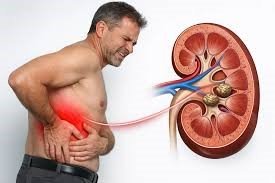
Kidney stones are hard deposits made of minerals and salts that form inside the kidneys. They are a common urinary tract condition and can affect people of all ages. While some kidney stones pass out of the body on their own, others may require medical treatment.
Health experts say staying well hydrated and adopting healthy lifestyle habits can help reduce the risk of developing kidney stones.
What Are Kidney Stones?
Kidney stones develop when certain minerals and salts in the urine become highly concentrated and stick together to form crystals. Over time, these crystals can grow into hard stones of different sizes.
The stones may remain in the kidneys or travel through the urinary tract, sometimes causing severe pain.

What Causes Kidney Stones?
Several factors can increase the risk of kidney stone formation, including:
- Not drinking enough water.
- A diet high in salt.
- Eating excessive amounts of animal protein.
- Foods high in oxalates, such as spinach, nuts, and chocolate, in susceptible individuals.
- Obesity.
- Family history of kidney stones.
- Certain medical conditions, including gout and recurrent urinary tract infections.
- Some medications.
Often, more than one factor contributes to stone formation.
Common Symptoms
Small kidney stones may cause no symptoms until they begin moving through the urinary tract.
Symptoms may include:
- Severe pain in the side, back, or lower abdomen.
- Pain that spreads to the groin.
- Pain during urination.
- Blood in the urine.
- Frequent urge to urinate.
- Cloudy or foul-smelling urine.
- Nausea and vomiting.
- Fever and chills if an infection is present.
Pain often comes in waves and may change in intensity as the stone moves.
Types of Kidney Stones
The main types include:
- Calcium stones, the most common type.
- Uric acid stones, often linked to high uric acid levels.
- Struvite stones, usually associated with urinary tract infections.
- Cystine stones, caused by a rare inherited disorder.
Identifying the type of stone can help guide prevention.
How Are Kidney Stones Diagnosed?
A healthcare provider may recommend:
- Urine tests.
- Blood tests.
- Ultrasound.
- CT scan.
- X-rays in some cases.
These tests help determine the size and location of the stone.
Treatment Options
Treatment depends on the size and location of the stone.
Small Stones
Many small stones pass naturally with:
- Drinking plenty of fluids.
- Pain-relieving medications.
- Medicines that help relax the urinary tract.
Larger Stones
Larger stones may require:
- Shock wave therapy to break the stone into smaller pieces.
- Endoscopic procedures to remove the stone.
- Surgery in rare or complex cases.
Treatment is chosen based on the patient’s condition and the stone’s characteristics.
How Can Kidney Stones Be Prevented?
Health experts recommend:
- Drinking enough water throughout the day.
- Limiting salt intake.
- Eating a balanced diet.
- Maintaining a healthy weight.
- Limiting excessive intake of foods that increase stone risk if advised by a healthcare provider.
- Following medical advice if you have had kidney stones before.
When Should You See a Doctor?
Seek immediate medical attention if you experience:
- Severe pain that does not improve.
- Blood in the urine.
- Fever or chills with urinary symptoms.
- Persistent nausea or vomiting.
- Difficulty passing urine.
Prompt treatment can prevent complications such as infection or kidney damage.
The Bottom Line
Kidney stones are a common condition that can cause severe pain when they move through the urinary tract. Dehydration, dietary habits, certain medical conditions, and family history all increase the risk. Drinking plenty of water, maintaining a healthy diet, and seeking early medical care when symptoms occur can help prevent complications and protect kidney health.
Disclaimer: This article is for informational purposes only and should not replace professional medical advice. Anyone experiencing symptoms of kidney stones should consult a qualified healthcare professional for proper diagnosis and treatment.




