


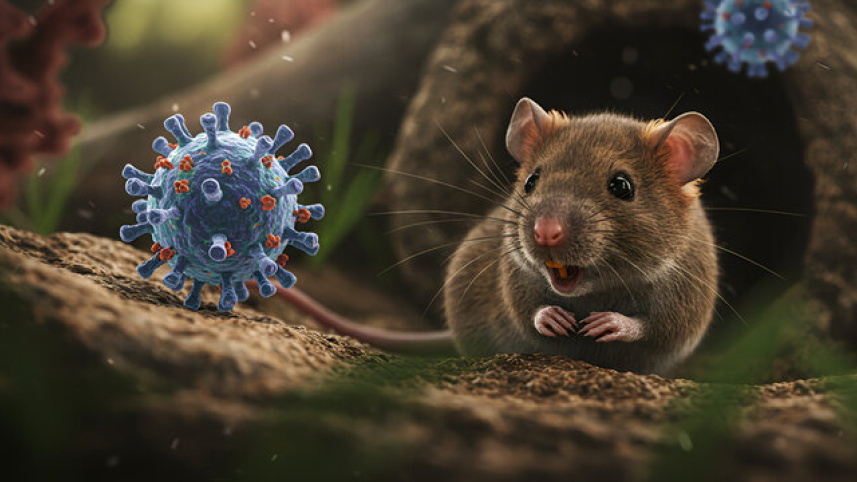
Health authorities are raising awareness about hantaviruses, a group of dangerous viruses carried mainly by rodents that can cause severe illness and death in humans.
Medical experts say people can become infected after coming into contact with infected rodents or their urine, saliva, and droppings. The viruses are considered zoonotic diseases, meaning they spread from animals to humans.
Hantavirus infections are known to cause different illnesses depending on the region of the world. In North and South America, the viruses can lead to a serious respiratory condition called Hantavirus Cardiopulmonary Syndrome (HCPS), which affects the lungs and heart and carries a high fatality rate.
In Europe and Asia, hantaviruses are linked to Haemorrhagic Fever with Renal Syndrome (HFRS), a disease that mainly damages the kidneys and blood vessels.

Researchers explained that each hantavirus strain is usually associated with a specific rodent species that carries the virus without appearing sick. Although many hantavirus types exist globally, only a limited number are known to infect humans.
Scientists have identified the Andes virus in parts of South America as the only hantavirus with confirmed cases of limited human-to-human transmission. Such transmission has mostly been recorded among close family members or intimate partners after prolonged contact.
Global health data shows hantavirus infections remain relatively uncommon but highly dangerous. Thousands of cases are reported yearly in parts of Asia and Europe, especially in countries such as China and South Korea. In the Americas, the disease is rarer, but the death rate remains significantly high.
Health experts say infection usually occurs when people inhale particles contaminated by rodent waste. Activities such as cleaning poorly ventilated buildings, farming, forestry work, or staying in rodent-infested homes can increase the risk of exposure.
Symptoms often appear between one and eight weeks after exposure and may begin with fever, headaches, muscle pain, nausea, abdominal discomfort, and fatigue. In severe cases, patients may develop breathing difficulties, fluid buildup in the lungs, kidney failure, bleeding disorders, or shock.
Doctors warned that diagnosing hantavirus infections can be difficult because the early symptoms resemble illnesses such as influenza, COVID-19, dengue fever, pneumonia, and other viral infections. Medical professionals therefore rely heavily on patient history, especially possible contact with rodents or affected environments.
Laboratory testing is required to confirm infection through blood tests and molecular diagnostic methods.
Currently, there is no approved cure or vaccine specifically designed for hantavirus infections. Treatment mainly focuses on supportive medical care, including close monitoring of heart, lung, and kidney complications. Experts stressed that early hospital care greatly improves survival chances, particularly for severe respiratory cases.
Public health officials continue to emphasize prevention as the best protection against the disease. Recommended safety measures include keeping homes clean, sealing rodent entry points, storing food properly, improving hand hygiene, and using safe cleaning methods in rodent-contaminated areas.
Health workers are also advised to follow strict infection prevention procedures when handling suspected cases to reduce risks within healthcare facilities.
Global health agencies continue to monitor hantavirus outbreaks while supporting research, surveillance, and public awareness campaigns aimed at reducing infections and improving patient care worldwide.




