


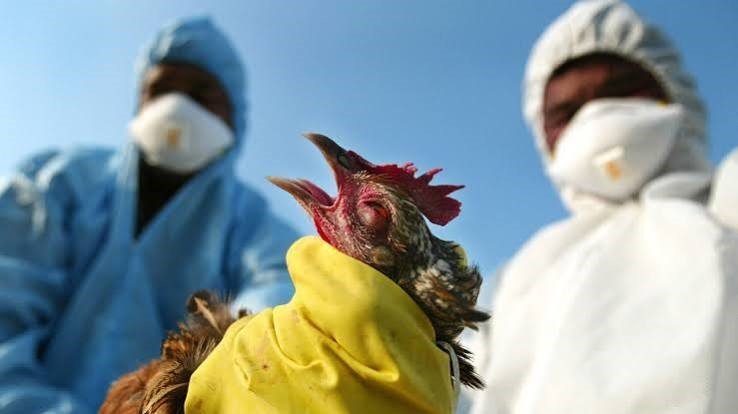
The World Health Organization (WHO) has urged countries to strengthen disease surveillance and preparedness as outbreaks of avian influenza (bird flu) continue to affect poultry and wild birds in several parts of the world.
Health officials said that while the risk to the general public remains low, continued monitoring is essential because influenza viruses can change over time, making early detection and rapid response critical. The WHO is working closely with national health authorities and international partners to monitor developments and assess potential public health risks.
Human Risk Remains Low
According to the WHO, most bird flu infections occur in birds, and only a small number of human cases have been reported globally.
Human infections are usually linked to close contact with infected poultry or contaminated environments, rather than sustained person-to-person transmission.

The organization emphasized that there is currently no evidence of widespread human transmission of the virus.
Surveillance and Rapid Response
The WHO is encouraging countries to:
- Strengthen disease surveillance systems.
- Improve laboratory testing capacity.
- Report suspected outbreaks quickly.
- Enhance cooperation between animal and human health authorities.
- Increase public awareness about safe handling of poultry.
Health experts say these measures can help detect outbreaks early and reduce the risk of further spread.
Advice for the Public
The WHO recommends that people:
- Avoid direct contact with sick or dead birds.
- Wash hands thoroughly after handling poultry.
- Cook poultry, eggs, and other poultry products thoroughly before eating.
- Report unusual bird deaths to local veterinary or agricultural authorities.
People who develop flu-like symptoms after exposure to infected birds are advised to seek medical care promptly.
Global Monitoring Continues
The WHO said it will continue to monitor avian influenza viruses in collaboration with the Food and Agriculture Organization (FAO) and the World Organisation for Animal Health (WOAH).
The agencies stressed that cooperation between public health and veterinary services remains essential to preventing future outbreaks.
Looking Ahead
Although the immediate risk to the public remains low, health authorities say continued vigilance is necessary because influenza viruses can evolve.
The WHO encouraged governments to maintain preparedness plans and strengthen both animal and human health surveillance to reduce the likelihood of future outbreaks.




