


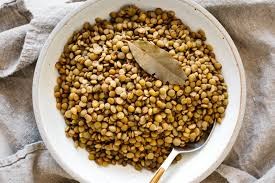
Lentils, one of the world’s oldest cultivated foods, are gaining renewed attention among health experts and nutrition-conscious consumers due to their rich nutrient content and affordability.
Widely recognized as a reliable source of plant-based protein, lentils have remained a staple food in many parts of the world for thousands of years. Today, they are increasingly featured in modern diets as more people adopt healthier and sustainable eating habits.
Ancient Food With Lasting Relevance
Historians say lentils have been cultivated for more than 10,000 years, making them among the earliest crops grown by humans. They played an important role in ancient agricultural societies and continue to hold cultural importance in several regions, especially in parts of the Middle East and South Asia.

Nutrition experts note that lentils were traditionally valued as an affordable substitute for meat, but their growing popularity today is linked to a wider understanding of their health benefits.
Rich Source of Nutrients
Lentils belong to the legume family, alongside beans and peas, and are classified as pulses because they are dried edible seeds.
Health specialists say lentils provide several important nutrients, including fiber, folate, iron, and plant-based protein. A moderate serving can contribute significantly to daily nutritional needs while remaining low in fat.
Available in red, green, brown, and black varieties, lentils can be prepared in numerous ways and added to soups, stews, salads, and plant-based meals.
Health Benefits Linked to Lentils
Recent nutrition studies suggest that regular consumption of lentils may support overall wellbeing in several ways.
Researchers say the high fiber content may help improve digestion and support gut health, while their protein and slow-digesting carbohydrates can assist in stabilizing blood sugar levels.
Experts also note that lentils may contribute to heart health by helping reduce cholesterol levels and supporting healthy blood circulation. Their filling nature may also aid weight management by helping people feel satisfied for longer periods.
Some studies have further linked plant compounds found in lentils to a reduced risk of chronic illnesses.
Easy to Prepare and Store
Nutritionists describe lentils as one of the easiest legumes to prepare. They can be cooked by simmering in water or broth and generally require less cooking time than many other dried legumes.
Whole lentils typically cook within 15 to 20 minutes, while split lentils cook even faster. Dried lentils can also be stored for several months in sealed containers kept in cool, dry conditions.
Growing Demand for Plant-Based Foods
As interest in affordable and nutritious foods continues to rise globally, lentils are increasingly viewed as a practical option for balanced diets.
Health experts say their combination of nutrition, versatility, and low cost makes them an attractive choice for individuals seeking healthier and more sustainable meal options.




