


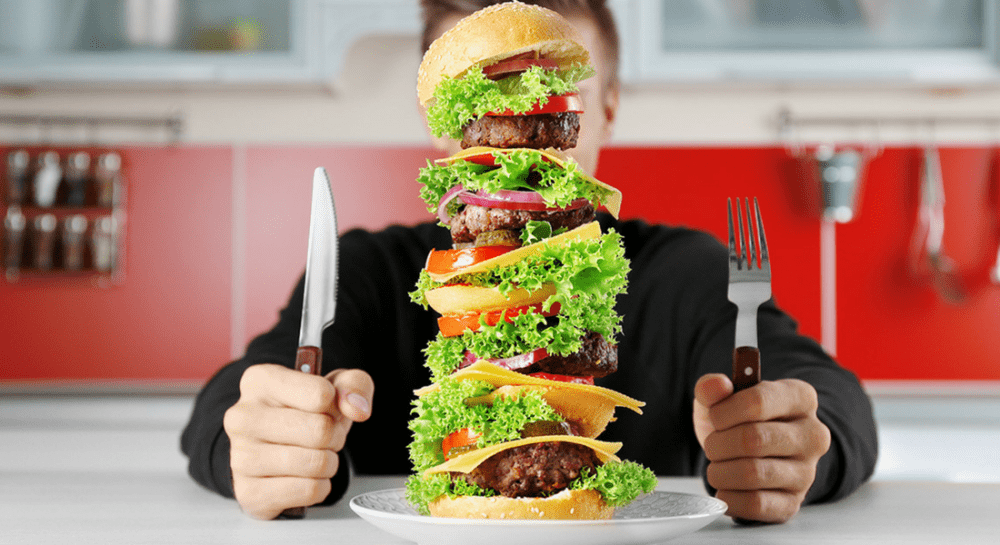
Many people blame themselves for overeating, often attributing it to a lack of discipline. But researchers and nutrition experts increasingly argue that the issue is more complex. Certain modern foods are specifically designed to be highly appealing, influencing the brain in ways that can make stopping difficult.
The rise of hyper-palatable foods
Highly processed foods are often engineered to deliver a powerful combination of taste, texture, and aroma. By blending ingredients like sugar, fat, and salt in precise ratios, manufacturers create products that strongly stimulate the brain’s reward system.
This stimulation involves the release of dopamine, a chemical linked to motivation and pleasure. When dopamine levels rise, the brain encourages repeated behavior, making these foods particularly hard to resist.
The concept of the bliss point
Food scientists have identified what is often referred to as the bliss point a specific balance of flavors that maximizes enjoyment. Many processed foods are carefully developed to reach this level, enhancing their appeal and encouraging continued consumption.

Beyond taste, other factors such as texture, crunch, and even packaging can influence how much people eat. These elements are often fine-tuned to create a more satisfying and repeatable experience.
Why fullness signals may not work as expected
Unlike whole foods, which typically contain fiber and protein that promote a feeling of fullness, many processed options are lower in these nutrients. As a result, the body’s natural signals that indicate satiety may be weaker or delayed.
This can lead to a situation where individuals consume large quantities without feeling fully satisfied, increasing the likelihood of overeating.
Willpower versus biology
Experts emphasize that these responses are not simply a matter of self-control. The human brain evolved to seek out calorie-dense foods for survival, and highly processed products can tap into these natural instincts.
When foods are designed to strongly activate reward pathways, resisting them becomes more challenging. This does not indicate a personal failure, but rather a biological response to external stimuli.
Understanding the bigger picture
While food choices still matter, awareness of how certain products are designed can help people make more informed decisions. Prioritizing whole, less processed foods and being mindful of eating habits may support better long-term outcomes.
Ultimately, the conversation is shifting away from blame and toward understanding. Recognizing the role of food design in eating behavior may be a key step in developing healthier, more sustainable habits.


