


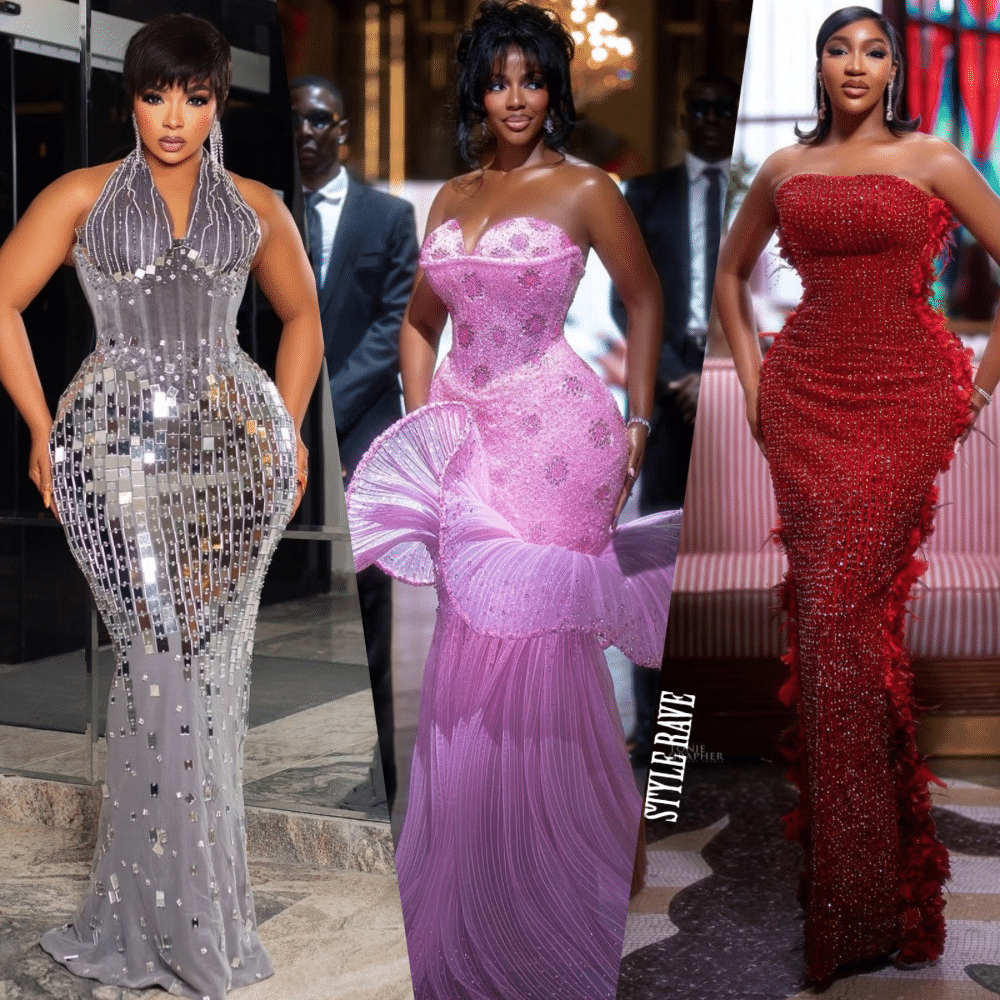
For a while, quiet luxury appeared to be changing the way people dressed.
Simple silhouettes, neutral colours, minimal embellishments and expensive-looking fabrics became the preferred language of understated fashion. But in Nigeria, where fashion has always been closely connected to personality, occasion and craftsmanship, the trend is beginning to take a different direction.
Nigerian women are increasingly asking their tailors for clothes that do more than look simple.
They want pieces that fit properly, flatter their bodies and stand out.

From structured gowns and dramatic sleeves to fitted skirts, detailed necklines, Ankara combinations and carefully placed embellishments, Nigerian fashion is showing that luxury does not always have to be quiet.
For local tailors, this shift is changing what clients expect when they walk into a fashion studio.
A client may come with a reference picture, but she is often looking for more than an exact copy. She wants the tailor to adjust the design to her measurements, body shape, preferred fabric and personal style.
That is where bespoke Nigerian tailoring continues to have an advantage.
Unlike ready-to-wear clothing, custom-made fashion allows the customer and tailor to build the garment around the individual. The waist can be shaped differently, the neckline adjusted, the sleeves redesigned and the length altered.
For many Nigerian women, these details are part of what makes an outfit feel luxurious.
The growing demand for fitted fashion is particularly noticeable in occasion dressing.
At weddings, birthdays, traditional ceremonies, dinners and other social events, clients often want outfits that create a strong visual impression. Lace, Ankara, velvet, duchess satin, crepe and other fabrics are transformed by Nigerian tailors into gowns and two-piece outfits designed specifically for individual clients.
The result is a form of luxury that is less about displaying a famous label and more about achieving the right fit and finish.
Social media has also accelerated this change.
Instagram, TikTok and other digital platforms have made fashion references more accessible to Nigerian customers. A client can see a design from Lagos, Abuja, Accra, London or Dubai and take the idea to her tailor.
This has raised expectations.
Tailors are no longer competing only with other tailors in their neighbourhood. They are increasingly competing with fashion images from around the world.
As a result, sewing businesses are paying greater attention to finishing, construction, photography and presentation.
A beautifully designed outfit can lose its appeal if the stitching is poor, the fit is uncomfortable or the finishing looks rushed.
This is why the modern Nigerian tailor is increasingly expected to understand more than basic sewing.
Pattern cutting, fabric behaviour, garment construction, fitting and finishing have become important parts of creating a premium product.
For clients, the definition of luxury is also becoming more personal.
One woman may prefer a simple chocolate-brown gown with a clean silhouette, while another may want a fitted burgundy dress with structured details. Both can consider their outfits luxurious because the designs reflect their individual tastes.
This is where the idea of quiet luxury becomes more complicated in the Nigerian market.
Minimalism has not disappeared.
Many Nigerian women still prefer clean, sophisticated outfits with little embellishment. However, minimal does not necessarily mean plain. A simple gown can still look expensive when the fabric, cut, fitting and finishing are carefully executed.
The difference is that Nigerian fashion allows minimalism and statement dressing to exist side by side.
For tailors, this creates an opportunity.
Rather than following every international fashion trend, designers and sewing businesses can develop distinctive signatures based on their understanding of Nigerian clients.
A tailor known for excellent fitting, for example, can build a reputation around structured gowns. Another may specialise in elegant workwear, while another focuses on traditional fabrics and modern silhouettes.
This personalisation could become increasingly important as Nigeria’s fashion industry becomes more competitive.
Customers are becoming more informed about fabrics, styles and garment construction. They are also becoming more willing to ask questions about how their clothes are made.
The tailor-client relationship is therefore changing from simply taking measurements and producing an outfit to a more collaborative process.
The customer brings an idea.
The tailor brings technical knowledge.
Together, they create the final garment.
DDM News reports that this growing demand for personalised fashion is creating opportunities for Nigerian sewing businesses to position themselves as bespoke fashion brands rather than simply tailoring outlets.
That distinction matters.
A tailor who can provide consistent fitting, quality finishing, professional communication and a distinctive design identity can build stronger customer loyalty than one competing mainly on price.
The shift also presents challenges.
Better fabrics, skilled labour and quality finishing cost money. Customers who want premium results must often pay more, while tailors must balance affordability with the rising cost of materials and production.
There is also increasing pressure to deliver quickly.
Social media has created an expectation that new designs should be produced almost immediately. Yet quality tailoring requires time for measurements, pattern development, cutting, sewing, fitting and corrections.
For Nigerian fashion businesses, finding the balance between speed, price and quality will remain important.
Quiet luxury may continue to influence Nigerian dressing, but it is unlikely to completely replace the country’s long-standing appetite for individuality.
Nigerian fashion has always had a strong relationship with expression.
Whether through a dramatic sleeve, a perfectly fitted waist, an unusual neckline, a bold fabric or a carefully constructed traditional outfit, clothing is often used to communicate personality and occasion.
The future may therefore not belong entirely to quiet luxury or statement fashion.
Instead, Nigerian tailoring could increasingly combine the best elements of both: clean, sophisticated designs with exceptional fitting, thoughtful details and enough personality to make each garment feel unique.
For the country’s tailors, that creates a clear opportunity to turn craftsmanship into a stronger definition of luxury.
Because in Nigerian fashion, luxury does not necessarily have to be loud.
But it does have to fit, feel and look exceptional.




