


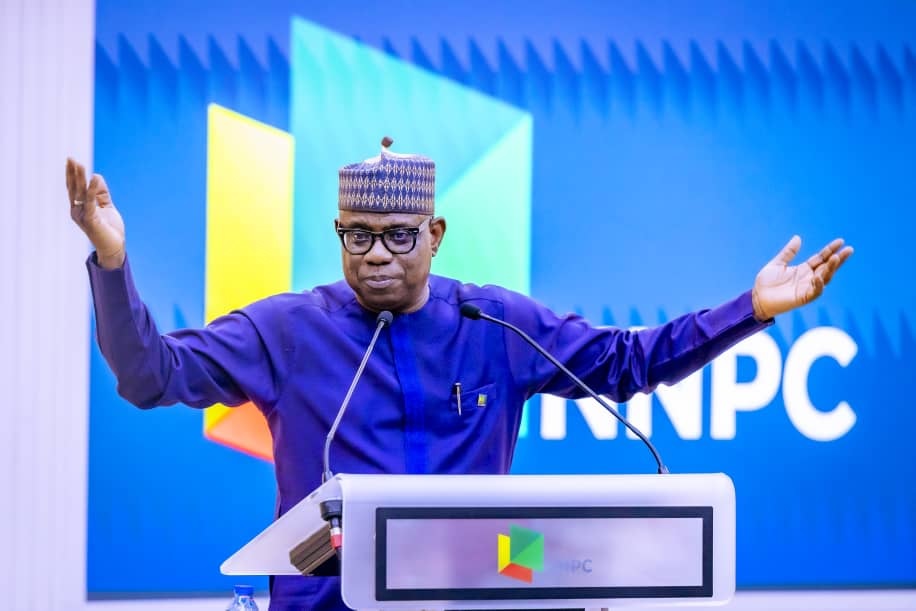
The Nigerian Senate has directed the Nigerian National Petroleum Company Limited (NNPCL) to refund ₦210 trillion in unaccounted funds to the Federation Account.
The decision follows rejection of NNPCL’s explanations concerning the missing funds.
The directive came after NNPCL Group CEO Bayo Ojulari failed to appear before the Senate Committee on Public Accounts on Tuesday.
Ojulari was invited to clarify the company’s responses to 19 questions about its financial records.

The investigation, led by Senator Aliyu Wadada, examined NNPCL’s financial operations from 2017 to 2023.
Audited statements revealed ₦103 trillion listed as accrued expenses and ₦107 trillion as receivables, figures the Senate described as “contradictory and unjustifiable.”
Senator Wadada criticized the company’s transparency in managing public funds. “NNPCL claimed ₦103 trillion as accrued expenses and ₦107 trillion as receivables amounting to ₦210 trillion.
Their explanation on ₦107 trillion receivables contradicts available facts and evidence. The committee is duty-bound to reject this,” he said.
He also questioned the company’s claim that it paid ₦103 trillion in cash calls to Joint Venture partners in 2023, despite generating only ₦24 trillion in crude revenue between 2017 and 2022.
“Cash Call arrangements were abolished in 2016 under the Buhari administration. How can NNPC claim to have paid ₦103 trillion in one year when revenue over five years was only ₦24 trillion? Where did this money come from?” Wadada asked.
The Senator described the company’s responses as unsatisfactory. He warned the committee would not hesitate to summon former NNPCL and NAPIMS officials if the current management fails to provide credible answers.
“If the present management of NNPCL is finding it difficult to provide acceptable answers, it is better they say so. The committee will subpoena former officials of NNPCL and NAPIMS if necessary,” Wadada added.
The Senate’s action underscores growing concerns about accountability in Nigeria’s oil and gas sector.
It highlights the urgent need for transparency in managing national resources and restoring public trust in state-owned enterprises.




