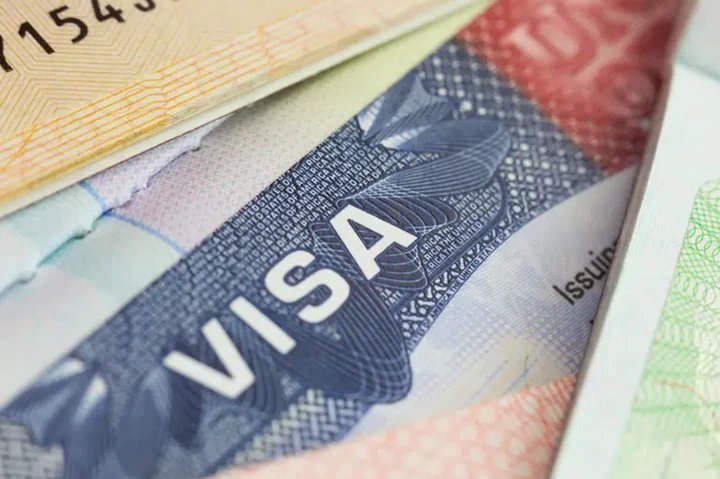
(DDM) – The United States government has expanded its controversial visa bond policy, now requiring citizens from seven additional countries to post refundable bonds of up to $15,000 before their visa applications can be processed.
DDM gathered that the policy, initially introduced under the Trump administration, has drawn intense criticism for disproportionately targeting citizens of developing nations.
The newly added countries are Bhutan, Botswana, the Central African Republic, Guinea, Guinea-Bissau, Namibia, and Turkmenistan. Of these, five are African nations, highlighting a growing trend of US immigration measures impacting the continent.

Officially, the policy aims to curb visa overstays and ensure compliance with immigration regulations. A spokesperson for the US State Department stated that the visa bond “is part of efforts to ensure that temporary visitors respect the terms of their entry and reduce the risk of overstaying.”
The bond amounts can range from $5,000 to $15,000, depending on the applicant and country of origin. Authorities have stressed that the bond is refundable if the visa application is denied or if travelers depart the United States within the approved period.

Critics argue that the measure disproportionately affects citizens of poorer nations, where the bond can exceed average annual incomes by several multiples. This has effectively barred many students, entrepreneurs, and families from legally traveling to the United States.
With the inclusion of these seven countries, a total of 13 nations are now subject to the bond requirement, 11 of which are located in Africa. Experts suggest that the policy reflects ongoing US efforts to tighten immigration control while raising significant ethical concerns regarding fairness and equity.
In addition to the bond requirement, the Trump-era policy introduced other measures including mandatory in-person interviews, comprehensive background disclosures, and stricter scrutiny of financial and personal histories. These requirements have increased the cost and complexity of obtaining a US visa.
Despite criticism, US officials maintain that exemptions are available for specific groups, including diplomats, lawful permanent residents, some existing visa holders, and athletes attending major international events. However, many argue that these exemptions do little to alleviate the broader impact on ordinary citizens from affected nations.
Historically, visa bond programs were introduced to discourage overstays and promote compliance with immigration rules. Yet, human rights advocates contend that they risk creating a two-tier system where wealthier applicants gain easier access while citizens of developing countries face systemic barriers.
Observers note that this latest expansion may strain diplomatic relations with affected countries and further fuel debates about fairness in US immigration policy. African nations, already grappling with economic challenges, may find it increasingly difficult to send students, businesspeople, and tourists to the United States without prohibitive costs.
The policy quietly took effect on 1 January 2026, with little public announcement, prompting civil society organizations and media outlets to call for transparency and reconsideration of the bond system.
Analysts warn that unless reforms are introduced, the visa bond policy could discourage educational exchanges, investment, and tourism, undermining long-term US engagement with these nations.