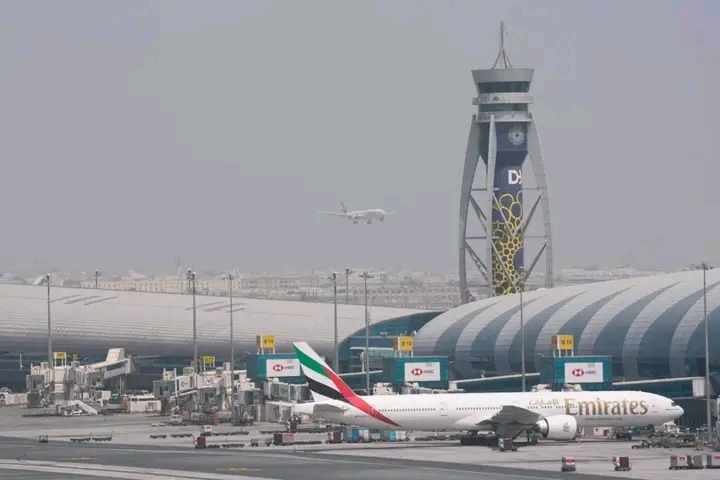
(DDM) — Renewed hostilities involving Iran have significantly escalated across the Persian Gulf and Arabian Peninsula, with drones striking near Dubai International Airport and commercial vessels hit in the strategic Strait of Hormuz, in the latest chapter of the widening Middle East conflict.
Here’s what you need to know about the unfolding situation.
Drone Strikes Near Dubai Airport
On Wednesday, two Iranian drones struck near Dubai International Airport, one of the world’s busiest aviation hubs, injuring four people, including nationals from India, Ghana, and Bangladesh, authorities confirmed.

The Dubai Media Office said flights continued normally despite the nearby attacks, and there was no visible damage to the airport’s core facilities, though the injuries highlight how the conflict is spilling across borders into civilian infrastructure.
Ships Hit in the Strait of Hormuz
In separate incidents, multiple commercial ships were struck by projectiles in or near the Strait of Hormuz, a key global shipping lane through which around 20% of the world’s oil supply passes.
At least three vessels, including cargo ships and container carriers, were hit, with one catching fire. Crews were forced to abandon ship but were safely rescued.
The escalation in attacks on merchant vessels has raised alarm for global energy markets, already unsettled by the regional conflict. Disruptions in the Strait could ripple through oil prices and global supply chains.
Why the Gulf Matters
The Persian Gulf region is not only a strategic hub for global energy exports, but also home to some of the busiest air routes worldwide. Disruptions there reverberate far beyond regional borders:
The UAE, including Dubai, is a global banking and transport hub.
The Strait of Hormuz sees trillions of dollars’ worth of crude oil and liquefied natural gas flow each year.
Even brief interruptions can push up fuel costs and affect economies far from the Middle East.
A Broader Conflict
These attacks come amid intense hostilities between Iran and a coalition including the United States and Israel, which began with airstrikes on Iranian territory and have since widened.
Iran’s military command has also announced intentions to target financial centres, raising concerns about economic as well as physical infrastructure being drawn into the conflict.
International Response and Risk
While the UAE has tried to maintain open operations at Dubai International Airport, aviation authorities in Qatar, Kuwait, and other Gulf states have previously closed airspace due to similar threats.
The ongoing attacks have also prompted widespread flight disruptions in the region, with major carriers forced to reroute flights and cancel schedules, marking the biggest Gulf aviation crisis since the pandemic.
What Comes Next?
As diplomatic tensions continue to rise, analysts warn that further escalation could:
Drive oil prices higher, affecting global markets
Increase risks to civilian shipping and air travel
Draw in broader geopolitical actors through economic or military pressure
The situation remains fluid, with developments likely to unfold rapidly, particularly as regional powers and international stakeholders assess how to protect critical infrastructure and global supply routes amidst growing instability.