


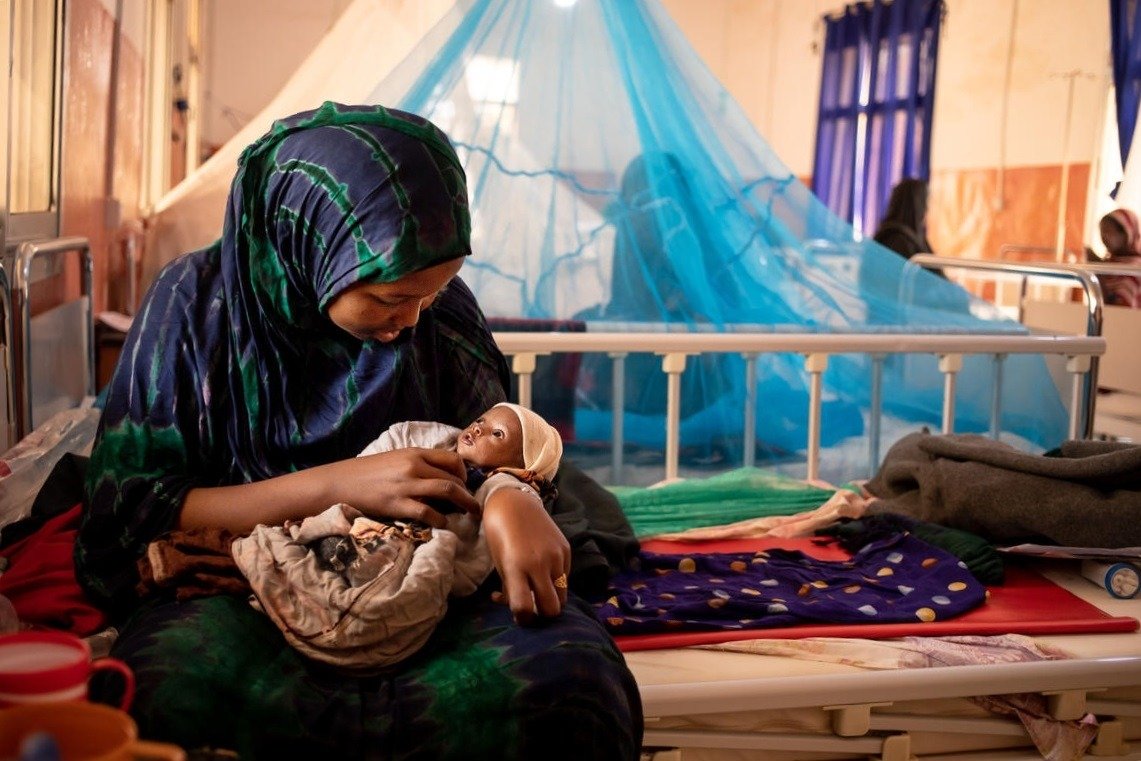
(DDM) – Nearly 4.9 million children under the age of five died worldwide in 2024, including about 2.3 million newborns, raising fresh concerns among health experts about slowing progress in reducing preventable child deaths. Despite decades of improvement, specialists warn that millions of young lives are still being lost to causes that could be avoided with basic, low-cost interventions.
The global decline in child mortality has been one of the most significant public health achievements of the past two decades. Since 2000, deaths among children under five have dropped by more than half, largely due to expanded vaccination programmes, improved maternal healthcare, and better access to essential services. However, recent trends suggest that this progress is beginning to stall, particularly in the most vulnerable regions.
Why are so many children still dying?
Health experts point to newborn complications as the leading cause, accounting for nearly half of all under-five deaths. These include premature birth, birth-related injuries, and infections occurring within the first weeks of life. Many of these cases are preventable with skilled care during pregnancy and childbirth, as well as timely medical intervention after delivery.

Beyond the neonatal stage, infectious diseases remain a major threat. Malaria accounts for a significant proportion of deaths among children after infancy, particularly in regions where access to prevention and treatment remains limited. Pneumonia and diarrhoea also continue to be leading killers, especially in communities lacking clean water, sanitation, and healthcare services.
Malnutrition further worsens the situation. Experts explain that poor nutrition weakens children’s immune systems, making them more susceptible to diseases and reducing their chances of recovery. In many cases, malnutrition is an underlying factor in multiple causes of death.
Where is the impact most severe?
The burden of child mortality is heavily concentrated in sub-Saharan Africa, which accounts for more than half of global deaths among children under five. Structural challenges such as poverty, weak healthcare systems, and limited infrastructure continue to drive these outcomes.
Children living in fragile and conflict-affected settings face even greater risks. According to analysts, they are up to three times more likely to die before their fifth birthday compared to those in more stable environments, reflecting the compounded effects of insecurity, displacement, and poor access to services.
What solutions are available?
Despite the scale of the challenge, experts stress that effective solutions are well known. Vaccination remains one of the most powerful tools in preventing child deaths, while skilled care during pregnancy and childbirth can significantly reduce newborn mortality. Improved nutrition programmes and stronger primary healthcare systems also play a critical role in protecting young lives.
There is also a strong economic case for action. Studies show that every dollar invested in child health interventions can generate up to $20 in returns through improved productivity and reduced long-term healthcare costs.
What happens next?
Health professionals warn that without renewed global commitment, funding, and policy focus, progress could continue to slow, leaving millions of children at risk. They emphasize the need for targeted interventions in high-burden regions and stronger international cooperation to address inequalities.
Ultimately, experts agree that reducing child mortality is not just a health issue but a measure of global development and equity. Ensuring that every child has a chance to survive and thrive remains one of the most urgent challenges facing the international community today.




