


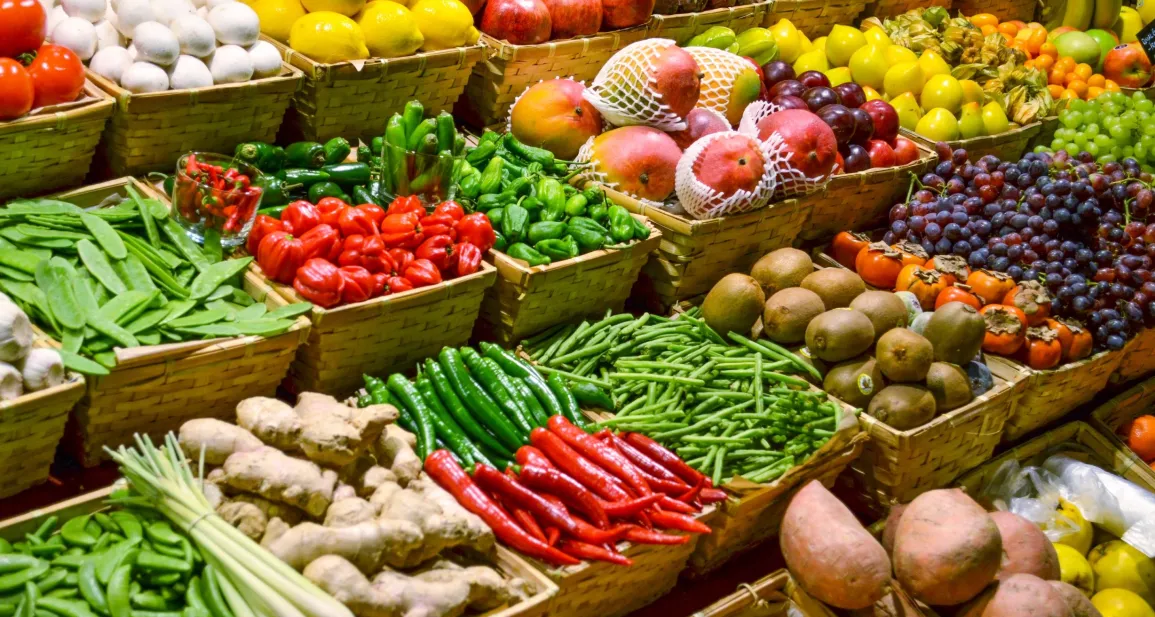
Rising food prices have pushed many households to rethink how they shop for groceries, but experts and budget-conscious consumers say eating well does not have to come at a higher cost. With careful planning and informed purchasing decisions, it is possible to maintain a nutritious diet while significantly reducing overall grocery expenses.
The key, according to food and budgeting insights, lies in understanding where spending adds value and where less expensive alternatives offer the same nutritional benefits. By focusing on practical substitutions and cost-efficient categories, shoppers can better manage expenses without relying on lower-quality or highly processed foods.
Store brands offer comparable quality at lower prices
One of the most effective cost-saving approaches is choosing store-brand products over well-known labels. In many cases, these products are produced using similar ingredients and manufacturing processes, with differences largely limited to branding and packaging.
Staple items such as rice, pasta, canned vegetables, and legumes often have nearly identical nutritional profiles across both store and name brands. Switching to generic options in these categories can lead to noticeable monthly savings without affecting diet quality.

Seasonal produce reduces spending
Purchasing fruits and vegetables that are in season is another practical way to lower costs. Seasonal items are typically more affordable due to higher availability and reduced transportation expenses. For example, produce like berries can cost significantly more during off-seasons when they must be imported.
In addition to cost savings, seasonal produce is often fresher and harvested closer to peak ripeness, which can enhance both flavor and nutrient content. Planning meals around seasonal availability also encourages variety throughout the year.
Frozen foods as a cost-effective alternative
Frozen fruits and vegetables are increasingly recognized as a reliable and economical option. Because they are typically frozen shortly after harvest, they retain much of their nutritional value while having a longer shelf life than fresh produce.
Items such as frozen berries, spinach, and broccoli are often less expensive than their fresh counterparts and reduce the risk of spoilage. This makes them a practical choice for households looking to balance nutrition, convenience, and cost.
Buying protein in bulk lowers expenses
Protein is often one of the most expensive components of a grocery budget, but costs can be reduced through bulk purchasing and proper storage. Buying larger quantities of meat and freezing portions for later use helps minimize repeated purchases and allows shoppers to take advantage of sales.
More affordable protein options, such as certain cuts of poultry and ground meats, can also provide similar nutritional benefits at lower prices. Flexibility in meal planning—such as buying what is on sale can further reduce expenses while maintaining dietary needs.
Affordable staples provide nutritional value
Plant-based staples like beans and lentils are among the most budget-friendly sources of protein and fiber. Dried legumes, in particular, are inexpensive and can be used in a wide range of meals, offering both versatility and nutritional density.
Eggs are another cost-effective protein source, widely regarded for their affordability and versatility across meals. They can be incorporated into breakfast, lunch, dinner, or snacks, making them a practical option for households seeking nutrient-rich foods at a lower cost.
Whole grains such as oats, rice, and quinoa are also more economical when purchased in bulk. Bulk buying reduces packaging costs and often lowers the price per unit, making these items more accessible for long-term use in everyday meals.
A balanced approach to budgeting and nutrition
Ultimately, experts suggest that smart grocery shopping is less about restriction and more about strategy. By combining store-brand products, seasonal produce, frozen foods, bulk purchasing, and affordable staples, consumers can build balanced diets while keeping spending under control.
With informed choices and flexible planning, maintaining both financial stability and nutritional quality is achievable for a wide range of households.




