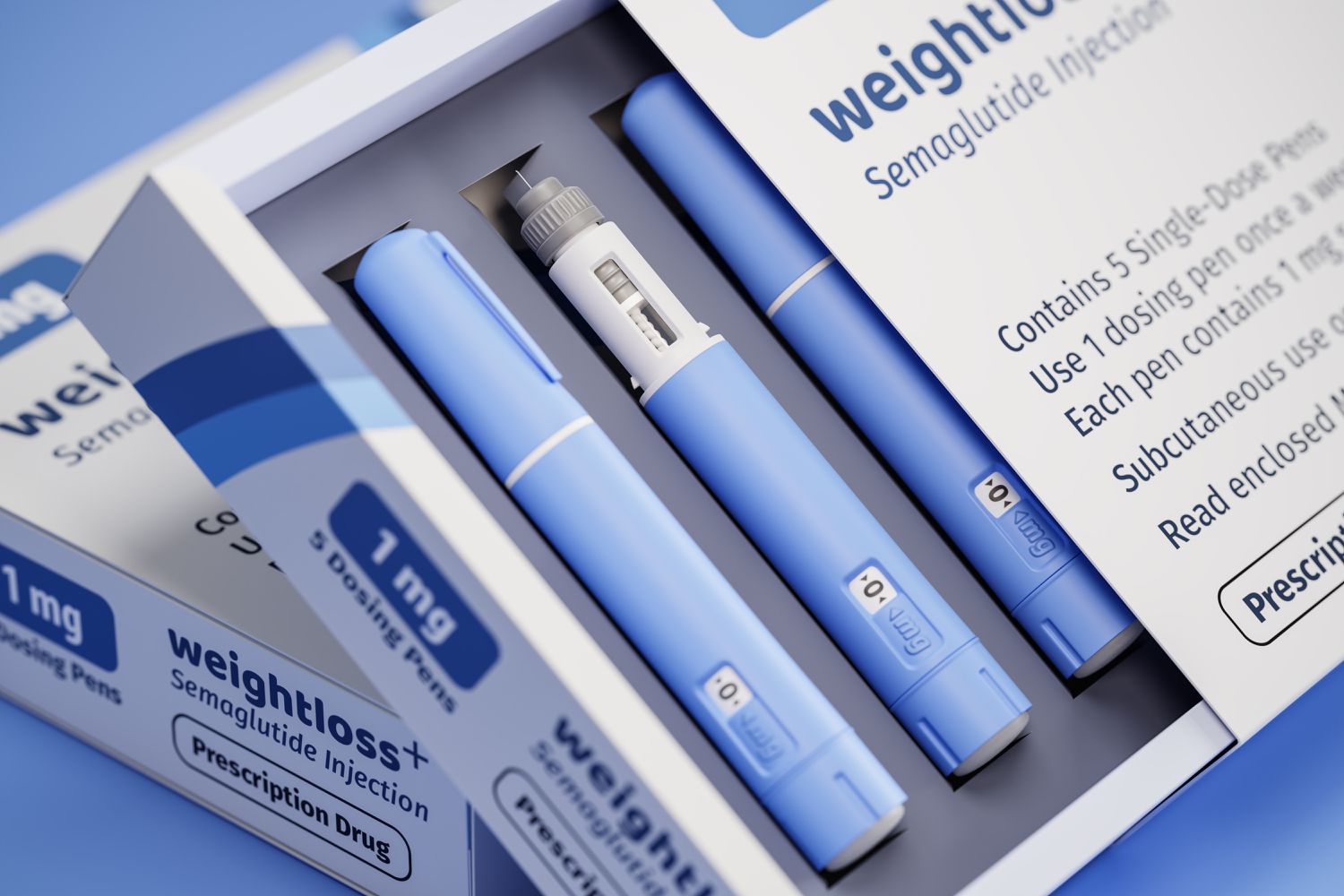
Widely used medications for diabetes and weight loss are coming under renewed scrutiny after emerging research suggested a potential link to bone loss and fractures particularly among older adults.
Drugs in the GLP-1 class, including Ozempic and Wegovy, have been praised for their effectiveness in managing Type 2 diabetes and obesity. However, recent findings indicate that their impact on bone health may require closer attention.
New research highlights potential risks
A study published in the Journal of Clinical Endocrinology & Metabolism tracked tens of thousands of adults aged 65 and older over several years. It found that those taking GLP-1 medications had a modest but notable increase in the risk of fragility fractures compared to individuals using other diabetes treatments.
Fragility fractures breaks caused by minor falls or everyday movement can have serious consequences in older populations, often leading to hospitalization or reduced independence.

Another large-scale analysis presented at a major orthopedic conference reported higher rates of Osteoporosis among GLP-1 users, along with slightly increased cases of gout and rare bone-softening conditions. While these findings are still being evaluated, they point to a broader pattern worth monitoring.
Why bone health may be affected
Researchers believe several factors could explain the connection. Rapid weight loss one of the main benefits of GLP-1 drugs reduces the physical load placed on bones, which can lead to decreased bone density over time.
Additionally, reduced appetite may result in lower intake of essential nutrients such as calcium, vitamin D, and protein, all of which are critical for maintaining strong bones. Changes in metabolism during weight loss may also temporarily increase uric acid levels, contributing to conditions like gout.
Experts urge caution, not panic
Health professionals emphasize that these findings should not discourage patients from using GLP-1 medications when prescribed appropriately. The drugs continue to offer significant benefits, including improved blood sugar control and reduced cardiovascular risk.
Instead, experts recommend a more balanced approach especially for older adults. This may include assessing bone health before starting treatment, monitoring changes over time, and incorporating strategies to protect bone density.
Protecting bone health during treatment
Patients using GLP-1 medications are advised to focus on maintaining adequate nutrition, particularly calcium and vitamin D intake. Resistance and weight-bearing exercises can also help counteract bone loss by strengthening both muscles and the skeletal system.
Regular bone density screenings may help detect early changes and guide treatment decisions.
Ongoing research and future implications
As GLP-1 drugs become increasingly common, understanding their long-term effects is becoming more urgent. Researchers note that conditions like osteoporosis develop over time and are influenced by multiple factors, making it difficult to isolate the exact role of any single medication.
Still, the growing body of evidence is prompting closer examination of how these drugs affect overall health beyond weight loss and blood sugar control.
A developing conversation in medicine
The latest findings underscore the need for continued research and informed decision-making. While GLP-1 therapies remain a powerful tool in modern medicine, experts say their use should be paired with careful monitoring and a comprehensive approach to patient health including bone protection.